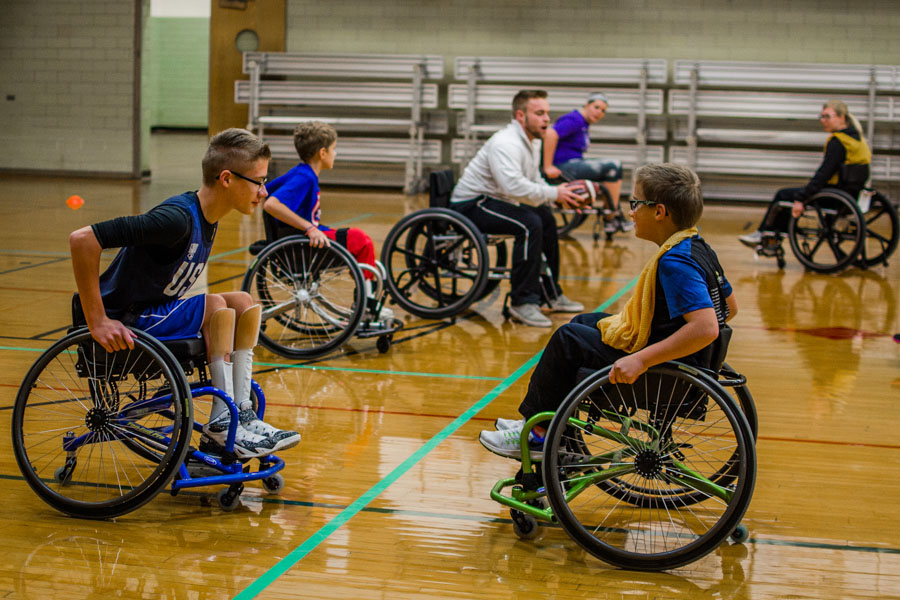
Introduction

Imagine stepping into a stadium in 2030 where adaptive athletes aren’t seen as “inspiration”—but as equals. Not featured as a separate category. Not slotted into off-peak broadcast hours. Not treated as an afterthought.
A world where adaptive sports equality is a reality, not a slogan.
A world where fairness isn’t a dream — it’s the standard.
For the first time in human history, we’re actually close.
Adaptive Sports Equality Is Shaping 2030 — And It Starts Now
Adaptive sports equality is no longer a distant concept. It’s happening in policies, technologies, training systems, funding models, and global sporting culture.
Every year, adaptive athletes push beyond stereotypes, beyond perceived limits, and beyond the narrow spaces society once allowed them. But as we look toward the next five years, the question deepens:
Will 2030 finally deliver a fair playing field for adaptive athletes?
Before we project 2030, we must understand today’s landscape—its progress, its obstacles, and the momentum refusing to slow down.
According to the International Paralympic Committee’s Impact Strategy, adaptive athletes are gaining stronger institutional support that will help ensure adaptive sports equality by 2030.
The Rise of Adaptive Sports Equality in 2030
The push toward adaptive sports equality didn’t begin overnight. It has been a layered evolution built on advocacy, bold breakthroughs, and policy shake-ups.
1. Policies Growing Stronger
Governments, sports federations, disability advocates, and global committees are pushing for more inclusive frameworks than ever before.
Today, many countries now embed adaptive sports into their national sports development plans. By 2030, these policies are expected to be even stronger — covering:
- Athlete funding
- Classification consistency
- Technological access
- Equal broadcasting
- Accessible infrastructure
2. Technology Is Redefining the Possible
Prosthetics are evolving rapidly. AI-powered biomechanics are stepping in. Wearables are giving athletes deeper insight into performance.
These innovations don’t just elevate performance — they close gaps that have long prevented adaptive sports equality.
3. Media Representation Is Changing
Adaptive athletes are finally taking center stage:
- Film documentaries
- Brand ambassadorships
- Social media campaigns
- International sports ads
Representation matters — and it’s happening.
Why Adaptive Sports Equality Matters More Than Ever
Why should we care so much about adaptive sports equality? It goes far beyond athletics.
1. It Shapes Society
Sport is a mirror of culture. When adaptive athletes gain visibility and respect, society becomes more inclusive, empathetic, and equitable.
2. It Expands Human Potential
Adaptive athletes routinely break barriers we once believed were impossible.
3. It Strengthens Global Sports
Diverse bodies, diverse strategies, diverse expressions of talent — all elevate the richness of sporting culture.
4. It Opens Economic and Innovation Doors
Investments in adaptive sports have sparked new industries:
- Adaptive equipment
- AI-driven training tools
- Specialized coaching programs
- Virtual adaptive competitions
5. It Inspires the Next Generation
Every child with a disability who sees an adaptive athlete succeed sees a version of themselves with possibilities.
Barriers That Continue to Slow Adaptive Sports Equality
Even with so much momentum, adaptive sports equality still faces major challenges.
Here are the biggest ones — and why they matter.
1. Unequal Access to Equipment
Adaptive gear is expensive, specialized, and often custom-engineered. Many athletes struggle to afford:
- Racing wheelchairs
- Customized prosthetics
- Adaptive bicycles
- Specialized snow equipment
This creates a performance gap rooted in economics, not talent.
2. Classification Controversies
Sports classification determines how athletes compete. But:
- Criteria can be inconsistent
- Systems differ by country
- Some impairments are underrepresented
Fairness begins with fair classification.
3. Coaching Gaps
Most coaches lack formal training in adaptive sport. Without knowledgeable guidance, many athletes plateau early.
Common issues:
- Incorrect techniques
- Poor equipment alignment
- Unsafe training practices
- Unnecessary injuries
4. Limited Funding
Funding remains one of the most significant barriers.
Many adaptive athletes:
- Self-fund travel
- Pay for equipment
- Cover training and medical expenses
- Lack sponsorship opportunities
5. Infrastructure Inequality
Even today, many sports facilities are not fully accessible.
Common facility barriers include:
- Narrow entrances
- Lack of adaptive equipment storage
- Slippery surfaces
- No accessible changing rooms
6. Media Underrepresentation
Although improving, adaptive sports still receive significantly less coverage than able-bodied sports.
Without visibility, equality stays out of reach.
Technology’s Role in Advancing Adaptive Sports Equality
Technology is the strongest force pushing adaptive sports equality closer to reality.
Let’s explore what’s transforming the field.
1. AI-Driven Coaching
AI now provides adaptive athletes:
- Real-time movement analysis
- Risk alerts
- Performance predictions
- Personalized training plans
2. Smart Prosthetics
Modern prosthetics integrate:
- Microprocessors
- Shock-absorbing joints
- Bluetooth connectivity
- Real-time gait adjustment
These innovations help neutralize long-standing performance limitations.
3. Virtual Training & Remote Coaching
Virtual adaptive gyms are emerging worldwide, allowing athletes to train from anywhere.
Examples include adaptive VR centers featured in this must-read analysis on future sports technology:
https://www.poweredfuturetech.com/adaptive-sports-revolution
4. Advanced Wheelchairs & Racing Frames
Sports wheelchairs are now lighter, stronger, and more aerodynamic.
New carbon-fiber models improve:
- Speed
- Maneuverability
- Shock absorption
5. Biomechanics & Motion Sensors
Motion-capture and biomechanics labs are analyzing how adaptive athletes move — and how to optimize their patterns for peak performance.
What 2030 Could Deliver for True Adaptive Sports Equality
Now comes the question:
What will adaptive sports equality actually look like by 2030?
Based on current trends, here are the most realistic shifts.
1. Integrated Sports Events
Rather than hosting adaptive sports separately, federations will increasingly integrate events with mainstream competitions.
2. A Global Standard for Classification
This could be the biggest game-changer.
Imagine a system where classification is:
- Transparent
- Universal
- Reviewed regularly
- Built with athlete input
3. Equal Broadcasting Agreements
Broadcasters are already testing this with adaptive marathons and esports.
By 2030, equal airtime may become the norm, not the exception.
4. Accessible Infrastructure Everywhere
Modern stadiums are starting to adopt:
- Universal design
- Adaptive locker rooms
- Inclusive seating
- Multi-terrain accessibility
2030 infrastructure could be transformative.
5. More Sponsors & Athlete Media Deals
Brands are expanding their representation.
Adaptive athletes are signing partnerships in:
- Fashion
- Sportswear
- Automotive
- Tech
This shift boosts equality from the grassroots up.
Comparing Today vs. 2030 — Adaptive Sports Equality Progress
Below is a clear, easy-to-read table showing how far we’ve come — and where we’re heading.
Table: Adaptive Sports Equality — Now vs. 2030 Projection
| Category | Today (2025) | 2030 Projection |
|---|---|---|
| Funding | Limited grants, low sponsorship | High corporate sponsorship + government-backed funding |
| Media Coverage | Minimal, inconsistent | Equal broadcasting, prime-time storytelling |
| Technology | Advanced but expensive | Affordable, accessible, widespread |
| Classification | Complex, inconsistent | Unified global standard |
| Infrastructure | Uneven accessibility | Universal design as international standard |
| Coaching | Few adaptive-trained coaches | Widespread certified adaptive coaching programs |
| Representation | Growing but uneven | Full inclusion in global sports culture |
How Organizations Can Support Adaptive Sports Equality
For adaptive sports equality to flourish by 2030, organizations must step up.
1. Build Inclusive Programs
Create adaptive divisions within mainstream clubs.
2. Sponsor Adaptive Athletes
Funding is the bloodstream of athletic development.
3. Train Coaches in Adaptive Techniques
Certification programs must become standard, not optional.
4. Modernize Facilities
Accessibility shouldn’t be an addition — it should be the foundation.
5. Use Technology Ethically
Ensure equal access to tech, regardless of athlete income.
6. Strengthen Policy
Fairness should be embedded in every level of governance.
Want to Go Deeper Into Adaptive Sports Equality?
For more transformative insights, explore this impact-packed research page:
https://www.unbreakableinsights.com/adaptive-sports-power-trends
To explore how training gear contributes to adaptive sports equality, check out our guide to adaptive performance equipment.
Final Thoughts — Is a Fair Field Coming by 2030?
2030 is not a promise — it’s a possibility.
Adaptive sports equality will not happen automatically. It will happen because:
- Athletes demand it
- Coaches support it
- Policymakers enforce it
- Technologists innovate for it
- Media highlights it
- Communities stand behind it
The future is not yet equal — but equality has never been closer.
And if the momentum continues, 2030 may be remembered as the year the world finally delivered a fair field for every athlete.
Call to Action
Share this article to support adaptive sports equality.
Comment below — what do YOU think adaptive sports will look like in 2030?
Explore our next guide for more insights into inclusive sports innovation.


