
Introduction
Imagine the wind rushing past your face as you fly down a mountain path, or the rhythmic splash of water as you glide across a lake at sunset. For a long time, these experiences were seen as “off-limits” for many, but the world has changed.
Adaptive sports for people with disabilities aren’t just about physical activity; they are about reclaiming your narrative and discovering that your potential is far greater than any diagnosis suggests.
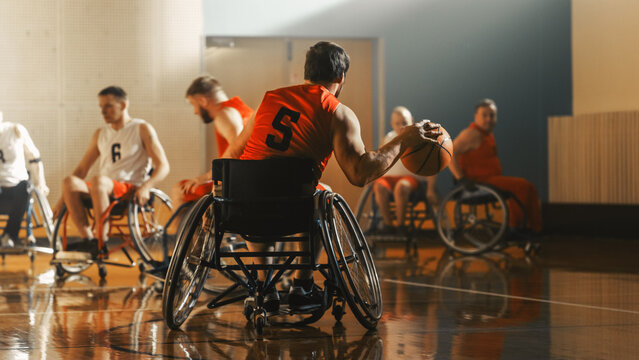
The transition from a clinical setting to an athletic one is often described by participants as the moment they stopped being a “patient” and started being an “athlete.” This shift in identity is the heartbeat of the adaptive movement. Whether you are navigating life with a spinal cord injury, limb loss, visual impairment, or a cognitive disability, the playing field is being leveled more every day.
Why Adaptive Sports for People with Disabilities is a Game-Changer
When we talk about sports, we often focus on the scoreboards. But in the world of adaptive athletics, the real win happens long before the whistle blows. It’s about the mental shift from “I can’t” to “How can I?”
The Physiological Revolution
Research from organizations like the Lakeshore Foundation shows that regular physical activity significantly improves both cardiovascular health and psychological well-being for individuals with physical impairments.
When you engage in adaptive sports for people with disabilities, you aren’t just burning calories; you are:
Improving Neuroplasticity: Learning new movements creates new neural pathways.
Enhancing Autonomic Function: Especially for those with spinal cord injuries, exercise helps regulate heart rate and blood pressure.
Building Functional Strength: The muscles you build on the court are the same ones that help you transfer into a car or reach for a high shelf.
The Psychological Edge
The mental health crisis among the disability community is often overlooked. Isolation is a silent predator. Sports act as a natural antidepressant. The release of endorphins combined with the “flow state”—that moment where the world disappears and you are only focused on the ball or the trail—is transformative.
How to Start Adaptive Sports: Breaking Down the Barriers
If you’ve been watching from the sidelines, the biggest hurdle is usually knowing where the “front door” is. Understanding how to start adaptive sports isn’t as complicated as it seems, but it does require a bit of a roadmap.
Step 1: Find Your “Why” (The North Star)
Before you pick up a racquet or a handcycle, ask yourself what you want.
The Social Butterfly: Are you looking for a reason to get out of the house and meet people who understand your journey?
The Competitor: Do you have a burning desire to see how far you can push your body?
The Nature Lover: Is your goal to get back into the woods or onto the water?
Step 2: The Medical Green Light
While movement is medicine, safety is paramount. Consult with your physical therapist or physiatrist. They can provide insights into what movements are safe for your specific injury or condition. For instance, if you have a high-level spinal cord injury, they might suggest sports that account for blood pressure fluctuations (dysreflexia).
Step 3: Audit Your Local Resources
You don’t need to live in a major Olympic training hub to find options. Many local YMCAs, university recreation centers, and city parks departments now offer “inclusive” or “adaptive” programming.
Choosing Your Discipline: A World of Options
The variety of adaptive sports for people with disabilities is staggering. Whether you are a thrill-seeker or prefer something more meditative, there is a space for you.
High-Intensity Team Sports
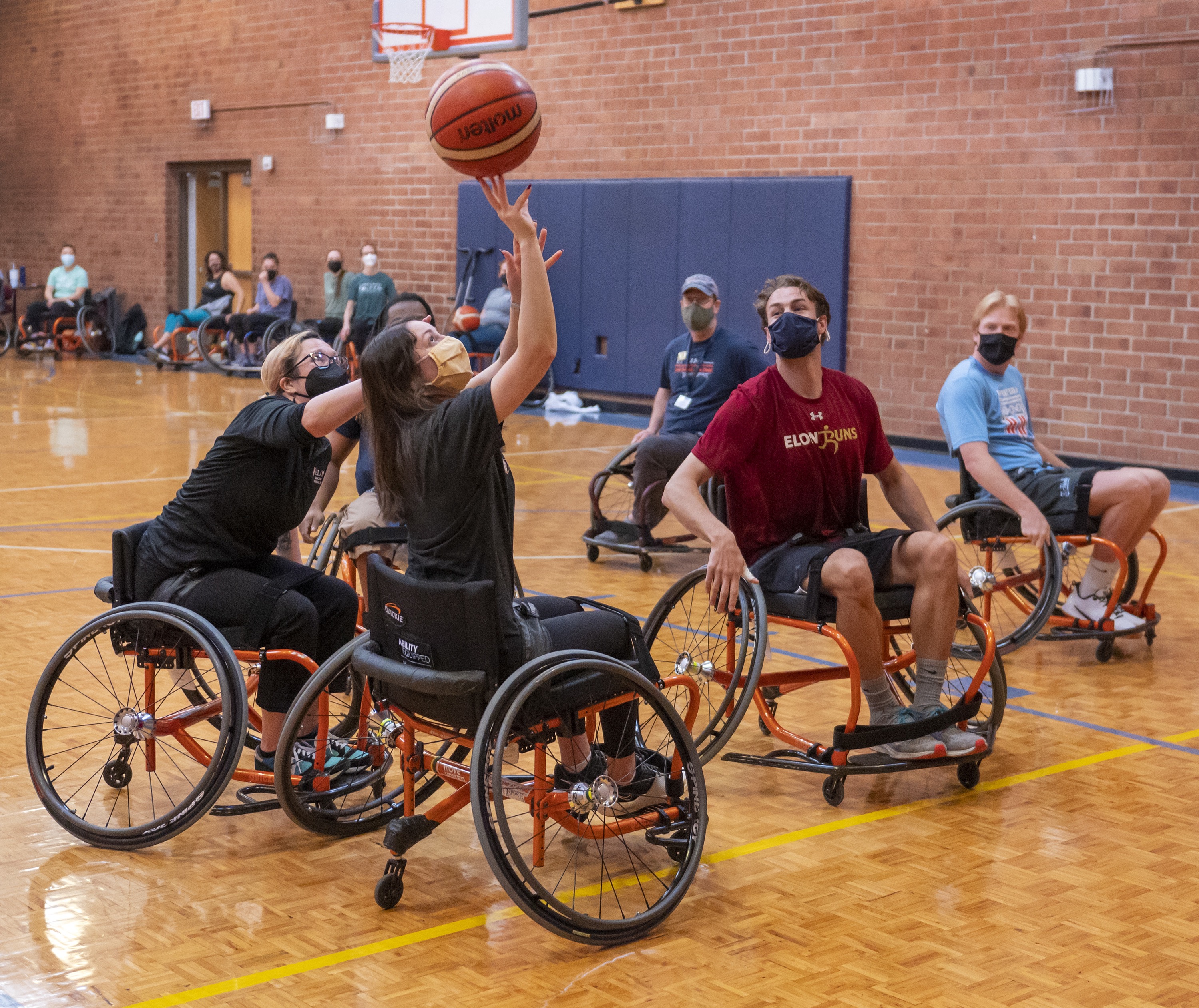
Wheelchair Basketball: The “classic” adaptive sport. It uses a standard-height hoop but requires incredible chair-handling skills.
Sled Hockey: You sit in a metal frame (sledge) and use two short sticks to propel yourself and hit the puck. It’s fast, loud, and incredibly fun.
Wheelchair Rugby (Murderball): Specifically designed for those with impairments in three or more limbs. It involves strategic collisions and intense teamwork.
Individual and Outdoor Pursuits
Handcycling: This is the primary way many people with lower-limb impairments get back onto the roads. Handcycles come in “upright,” “recumbent,” and “competitive” styles.
Adaptive Climbing: Using pulley systems or specialized harnesses to scale rock walls.
Para-Swimming: One of the most accessible sports because water provides natural buoyancy, reducing the weight-bearing load on joints.
Comparison of Popular Adaptive Sports
To help you decide how to start adaptive sports, here is a breakdown of common options based on physical requirements and environments:
| Sport | Primary Equipment | Core Benefit | Best Environment |
| Wheelchair Basketball | Manual Sports Chair | Agility & Social | Indoor Courts |
| Handcycling | Three-wheeled Handcycle | Cardiovascular Endurance | Roads/Paved Trails |
| Sled Hockey | Sledge & Two Sticks | Upper Body Explosiveness | Ice Rink |
| Para-Swimming | Minimal/Floatation | Flexibility & Low Impact | Pool |
| Adaptive Archery | Modified Bows/Triggers | Focus & Fine Motor Skills | Range (Indoor/Outdoor) |
| Wheelchair Tennis | Court Chair | Strategic Thinking | Tennis Courts |
The Deep Dive: Understanding Specialized Equipment
One of the biggest questions regarding adaptive sports for people with disabilities involves the gear. You wouldn’t play golf with a baseball bat, and you can’t play wheelchair basketball in an everyday “hospital-style” chair.
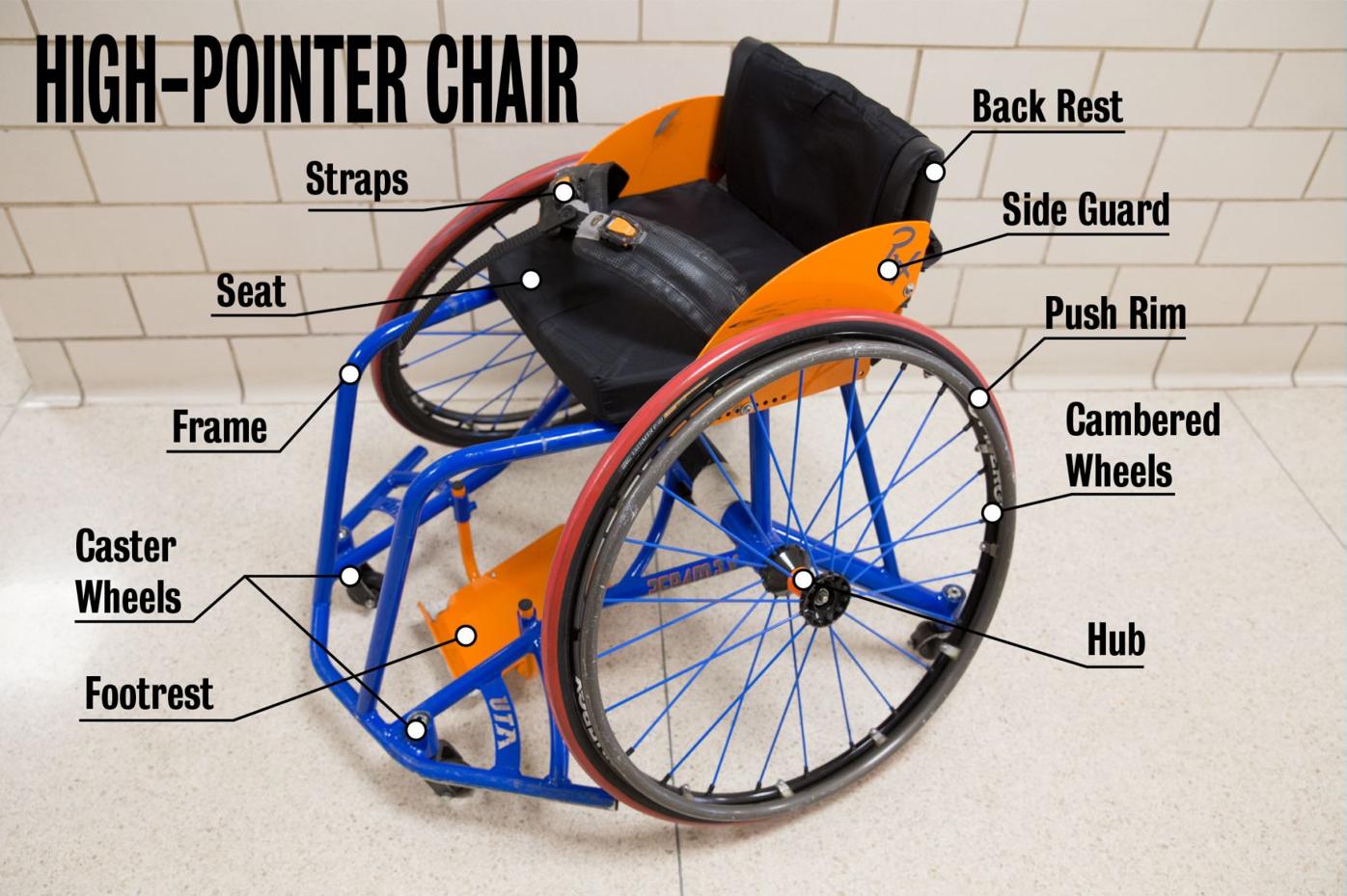
The Anatomy of a Sports Chair
Standard wheelchairs are built for stability and comfort. Sports chairs are built for performance.
Camber: The wheels are angled outward at the bottom. This makes the chair incredibly stable during quick turns and prevents it from tipping over.
Anti-tip Wheels: Small wheels at the back that prevent the athlete from flipping backward during explosive movements.
Rigid Frame: Most sports chairs do not fold. A solid frame transfers more energy from your arms to the floor.
Adaptive Technology in the Great Outdoors
For those looking at winter sports, the sit-ski (or mono-ski) is a marvel of engineering. It features a molded seat attached to a single ski with a high-performance shock absorber to handle bumps on the mountain.
The Financial Bridge: Grants and Funding
Let’s be real: specialized equipment can be expensive. A competitive handcycle can cost as much as a small car. However, you should never let the price tag stop you from starting.
Pro Tip: Look for grants from organizations like the Challenged Athletes Foundation (CAF). They provide millions of dollars in funding for coaching, travel, and equipment every year. Many local clubs also have “loaner” fleets so you can play for free while you save up for your own gear.
The Role of Coaching in Adaptive Sports
Finding a coach who understands the nuances of disability is vital. A great coach doesn’t see your disability; they see your functional capacity.
What to Look for in a Coach
Certifications: Look for coaches certified by Move United or specific sport governing bodies (like USA Wheelchair Rugby).
Creative Problem Solving: Every disability is unique. A good coach will help you “hack” your equipment or your form to find what works for your body.
Emphasis on Independence: The goal should be to get you to a point where you can set up your own equipment and understand your own training needs.

Nutrition and Recovery for the Adaptive Athlete
When you dive into adaptive sports for people with disabilities, your fuel matters more than ever. Your body is a machine, and you are now asking more of it.
Unique Nutritional Considerations
Caloric Intake: Depending on your level of muscle mass (for example, if you have atrophy in your legs), your metabolic rate might be lower. It is important to focus on nutrient-dense foods rather than just high-calorie foods.
Hydration: For athletes with spinal cord injuries at T6 or above, sweating mechanisms can be impaired. Staying hydrated and using cooling vests or spray bottles is a matter of safety, not just comfort.
Skin Integrity: Physical activity means more friction and sweat. Athletes must be vigilant about skin checks to prevent pressure sores, especially in areas where they have reduced sensation.
Overcoming the “First Day” Jitters
Starting something new is scary. Starting something new when you feel “conspicuous” is even scarier. But remember: every elite athlete started with a “Day One” where they felt clumsy.
Tips for Your First Practice
Manage Expectations: You will probably be sore. You will probably be slow. That is the point of practice.
The “Two-Visit” Rule: Commit to going at least twice. The first time is for overcoming nerves; the second time is for actually learning.
Ask Questions: The adaptive community is notoriously helpful. If you don’t know how to strap into a sledge or how to lead a tandem bike, just ask.
The Path to Competition: Classification Explained
If you decide to take adaptive sports for people with disabilities to a competitive level, you will eventually hear the word “Classification.”
Why It Exists
In mainstream sports, we group people by age or gender. In adaptive sports, we group by function. This ensures that a person with a high-level spinal cord injury isn’t competing directly against someone with a single-leg amputation in a way that would be inherently unfair.
The Process
A classifier (usually a doctor or physical therapist) will observe you performing sport-specific movements. They then assign you a “point” value or a class.
Lower Points: Typically indicates a higher level of impairment.
- Higher Points: Indicates more functional movement.In team sports like basketball, there is a limit to the total number of “points” allowed on the floor at one time, ensuring diverse team compositions.
Mentorship: The Secret Ingredient
One of the fastest ways to learn how to start adaptive sports is to find a mentor. This is someone who has been where you are and has already figured out the “life hacks” of being an athlete with a disability.
Where to Find a Mentor
Peer Support Groups: Many hospitals have peer-visitor programs.
Social Media: Follow athletes who have similar conditions to yours.
Local Clubs: Ask the program coordinator to introduce you to a veteran player.

Case Study: The Transformation of “Athlete X”
Consider the story of Sarah, who lost her leg in a car accident at 22. She thought her life as a runner was over. When she first looked into adaptive sports for people with disabilities, she was skeptical.
She started with a local “Try-it” day for sitting volleyball. Not only did she regain her fitness, but she found a community that didn’t see her as “the girl with one leg,” but as “the girl with the killer serve.” Two years later, she received a grant for a running blade and is now training for her first 5K.
Her takeaway? “The hardest part wasn’t the physical training; it was giving myself permission to be a beginner again.”
Frequently Asked Questions
What are adaptive sports for people with disabilities?
Adaptive sports are competitive or recreational sports that have been modified to allow people with physical or intellectual disabilities to participate. This involves specialized equipment, modified rules, or adjusted environments to ensure accessibility.
How do I find adaptive sports near me?
The best way to start is by contacting your local Parks and Recreation department or searching national databases like Move United. You can also ask your healthcare provider or physical therapist for local recommendations.
Is it expensive to start adaptive sports?
While specialized equipment can be costly, most local programs offer “try-it” days and provide equipment for participants at no cost. There are also numerous grants available from organizations like CAF and Kelly Brush Foundation to help athletes purchase their own gear.
Can I participate if I have never been athletic before?
Absolutely! Adaptive sports programs cater to all levels, from absolute beginners who just want to be social to elite athletes training for the Paralympics.
What are the benefits of adaptive sports?
Beyond physical fitness, benefits include improved mental health, increased independence, social connection, and the development of a resilient “can-do” mindset that carries over into all areas of life.
Are there sports for people with visual impairments?
Yes! “Goalball” is a sport specifically designed for the visually impaired, using a ball with bells inside. Other sports like tandem cycling, blind soccer, and para-archery use guides or tactile markers.
Your New Chapter Starts Now
The world is waiting for you to jump in. Whether it’s the roar of the crowd in a gym or the quiet peace of a morning cycle, your place in the world of adaptive sports for people with disabilities is ready and waiting.
Don’t wait for the “perfect” moment. The perfect moment is right now—the moment you decide that your disability is just one part of your story, not the whole book.
Ready to take the first step?
Share Now: Help someone else find their fire by sharing this guide on social media!
Note: This content is for informational purposes and should not replace professional medical advice. Always consult with a healthcare professional before starting a new exercise regi


