
Introduction
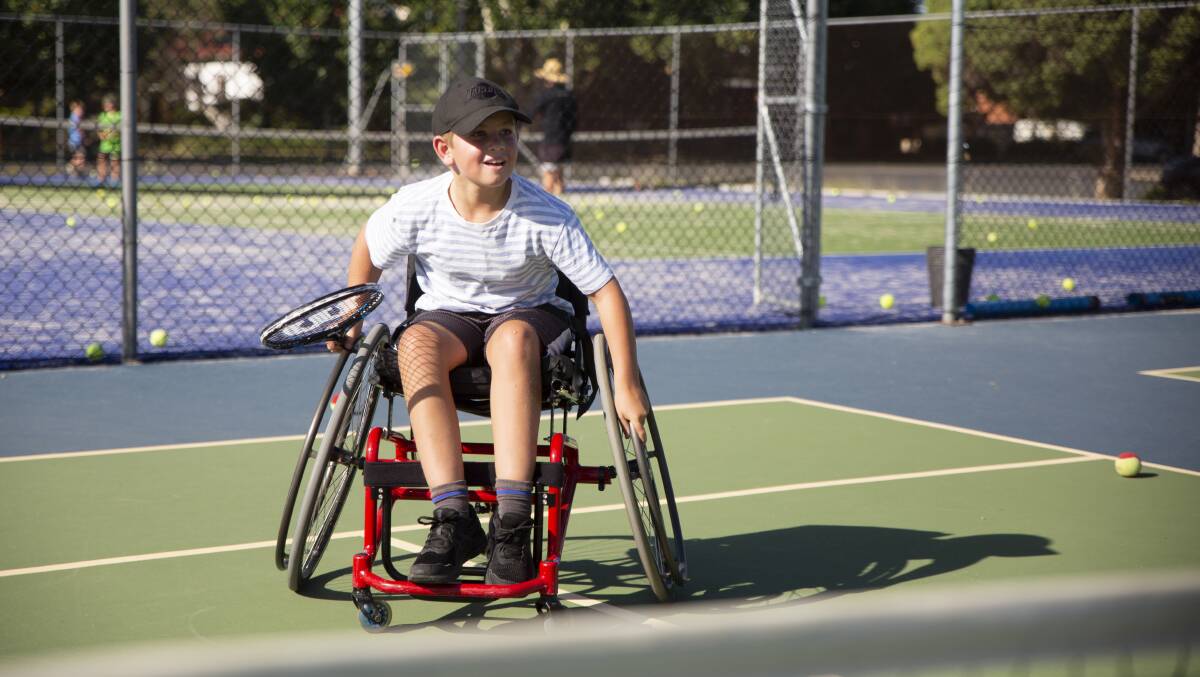
Adaptive tennis has seen a remarkable evolution over the past decade. What started as a niche sport primarily for wheelchair users has now expanded to include standing athletes with prosthetics, visually impaired players, and those with limited mobility. With this growth, the demand for adaptive tennis accessories that enhance performance, safety, and enjoyment has skyrocketed.
Modern adaptive tennis is not just about participation; it’s about competitive excellence. Players are now using technology and specially designed equipment to compete at international levels, from the Paralympics to major tournaments like the US Open and Wimbledon exhibitions for adaptive athletes.
Key insights:
Wheelchair tennis is one of the fastest-growing adaptive sports globally, with thousands of participants registered internationally.
Adaptive equipment can improve performance metrics such as swing speed, accuracy, and mobility by up to 30% according to some sports tech studies.
Inclusive design isn’t just beneficial for disabled athletes; innovations often improve usability and accessibility for all players.
Smart Wearables: Enhancing Training and Performance
Technology is transforming adaptive tennis through smart wearables and real-time data tracking. These devices are engineered not just for traditional athletes but for players with varying physical challenges.
1. Silent Impact: Passive Arm Shot Tracking
For adaptive athletes, tracking motion accurately is crucial. Traditional tracking systems often require the player to wear sensors on the dominant arm or the racket, which can interfere with natural movement. The Silent Impact system solves this problem by attaching a sensor to the passive arm, capturing motion without adding strain or distraction.
Benefits include:
Accurate shot analysis
Reduced fatigue and cognitive load
Integration with training apps to track progress over weeks
This kind of technology allows coaches and athletes to identify weaknesses in technique quickly, even for players using prosthetics or adaptive grips. (arxiv.org)
2. Immersive Virtual Reality (VR) Training
VR training platforms provide a simulated court environment where athletes can practice strokes, footwork, and strategy without physical strain. Adaptive tennis players can adjust the simulation to mimic their specific mobility patterns, allowing:
Precise swing analysis
Visualization of ball trajectory
Engagement through gamified training modules
For example, a visually impaired player can use a VR headset paired with audio feedback to “see” their swing path in sound, dramatically improving timing and accuracy. (arxiv.org)
3. Wearable Analytics: Heart Rate & Fatigue Tracking
Another breakthrough is wearable sensors that monitor heart rate, fatigue, and stress levels. For adaptive athletes, these metrics are critical for training safely and effectively, preventing overexertion, and tailoring individualized workout plans.
Specialized Equipment: Tailored for Every Player
Adaptive tennis accessories are no longer one-size-fits-all. Each player’s needs are considered in the design of wheelchairs, rackets, and balls.
1. Tennis Wheelchairs with Advanced Features
Modern adaptive tennis wheelchairs are precision-engineered:
Cambered wheels improve turning agility.
Anti-tip devices enhance safety during aggressive maneuvers.
Lightweight frames allow faster acceleration.
Some models also offer modular customization, enabling players to adjust seat height, wheel angle, and frame stiffness to optimize performance. (susurro.co.uk)
2. Adaptive Tennis Rackets
Players with limited grip strength or joint mobility benefit from rackets with ergonomic handles, adjustable weights, and reinforced frames. These adaptive tennis accessories allow athletes to swing naturally without pain or reduced control. (medium.com)
3. Modified Tennis Balls
Visual impairments don’t stop players from enjoying the game. Sound-emitting balls, high-contrast colors, and slower bouncing options give athletes sensory feedback to track and respond to shots effectively. (mcdanielrealestatesystems.com)
4. Rubber Components & Gloves
Innovations in rubber technology enhance grip, durability, and shock absorption. For wheelchair users, specialized tires improve traction and energy efficiency, while gloves prevent slippage during intense rallies. (bridgestoneamericas.com)
Comparative Overview of Adaptive Tennis Accessories
Accessory Type Key Features Ideal al For Smart Wearables Passive arm sensors, VR training integration All adaptive athletes Tennis Wheelchairs Cambered wheels, anti-tip devices Wheelchair tennis players Adaptive Tennis Rackets Adjustable, sturdy design Players with limited grip strength Modified Tennis Balls Sound-emitting design, high-contrast colors Visually impaired players Rubber Components & Gloves Enhanced durability, traction, grip Wheelchair users and mobility-challenged athletes This table highlights how adaptive tennis accessories address specific challenges and optimize performance for different athletes
Case Study: Jeff Bourns and the Evolution of Adaptive Standing Tennis
Jeff Bourns is a pioneering figure in Adaptive Standing Tennis (AST). After losing a leg in childhood, Bourns didn’t let his disability stop him from pursuing tennis. His journey reflects the transformative power of adaptive tennis accessories in leveling the playing field for athletes with mobility challenges.
Key Achievements:
USA TAP Open (2016): Bourns organized the first international AST tournament in the U.S., creating a platform for standing players with prosthetics.
International Recognition: Thanks to his advocacy, AST is now officially recognized by the International Tennis Federation (ITF).
Technological Integration: Bourns emphasizes the importance of adaptive tennis accessories like lightweight prosthetic legs, vibration-dampening grips, and specialized footwear, which enhance mobility and reduce injury risk.
Impact on the Sport:
AST has grown exponentially, with tournaments now spanning North America, Europe, and Asia.
Bourns’ focus on customized equipment has influenced manufacturers to create modular prosthetics and ergonomic rackets tailored for standing athletes.
Many upcoming athletes cite Bourns as an inspiration, proving that access to the right adaptive tennis accessories can dramatically improve performance and inclusivity. (en.wikipedia.org)
Global Competitions and the Role of Adaptive Tennis Accessories
Adaptive tennis has gained international recognition, with tournaments becoming platforms for showcasing the latest adaptive tennis accessories.
Paralympics Tennis
Tennis has been part of the Paralympics since 1992.
Wheelchair tennis athletes rely heavily on custom wheelchairs with cambered wheels, anti-tip devices, and lightweight frames.
Many athletes use adaptive tennis rackets to compensate for grip limitations or reduced mobility.
National Championships
Countries like the U.S., U.K., and Japan host national adaptive tennis championships where players test new equipment innovations.
Manufacturers collaborate with top athletes to trial high-tech wearables that monitor heart rate, swing speed, and fatigue.
Adaptive Tennis Clinics
Clinics educate coaches and players on the proper use of assistive equipment, including VR training, sound-emitting balls, and specialized gloves.
Clinics also provide opportunities to compare different adaptive accessories and determine the most effective solutions for individual needs.
Expert Tips for Choosing the Right Adaptive Tennis Accessories
Choosing the right equipment can be overwhelming due to the variety of options. Here are practical tips for selecting adaptive tennis accessories:
Identify Your Specific Needs
Wheelchair users need stability and maneuverability.
Players with limited grip strength should look for adjustable rackets.
Visually impaired athletes benefit from sound-emitting or high-contrast balls.
Test Before Investing
Attend adaptive tennis clinics or trial programs.
Evaluate how equipment affects comfort, mobility, and performance.
Consider Durability
Wheelchair tires, racket handles, and gloves should withstand frequent use.
Look for reinforced materials that don’t compromise performance.
Integrate Technology
Wearables and VR systems can accelerate skill development.
Sensors that monitor swing, posture, and fatigue provide actionable insights.
Collaborate with Experts
Work with coaches, physiotherapists, or occupational therapists to select accessories that prevent injuries and improve efficiency.
Training Tips Using Adaptive Tennis Accessories
1. Wheelchair Tennis Drills
Agility Drills: Use cones to practice tight turns and rapid directional changes.
Shot Placement: Combine VR or sensors to track accuracy and consistency.
2. Grip Strength & Racket Control
Use adaptive rackets with customizable handles to gradually build strength.
Incorporate wrist and forearm exercises to prevent strain.
3. Reaction & Sensory Training
For visually impaired athletes, practice with sound-emitting balls to improve anticipation and timing.
Combine auditory cues with tactile feedback (like vibration sensors in gloves) for enhanced coordination.
4. Data-Driven Performance Tracking
Wearables can measure swing speed, heart rate, and fatigue.
Analyzing this data over time helps refine technique and prevent overexertion.
Future Trends in Adaptive Tennis Accessories
The future of adaptive tennis is tied closely to technological innovation. Key trends include:
AI-Powered Analytics
Predictive algorithms to optimize training sessions and match strategies.
3D-Printed Custom Equipment
Tailor-made rackets, grips, and prosthetic limbs for superior comfort and performance.
Smart Balls and Court Sensors
Real-time feedback on speed, spin, and trajectory, especially useful for athletes with limited vision.
Wearable Health Monitors
Continuous tracking of cardiovascular health, stress levels, and fatigue to personalize training.
Eco-Friendly Materials
Sustainable adaptive tennis accessories made from recycled or biodegradable materials.
conclusion
Adaptive tennis is no longer a niche sport; it is a thriving, inclusive community driven by innovation. The latest adaptive tennis accessories — from high-tech wearables and VR training systems to ergonomic rackets, specialized wheelchairs, and modified balls — empower athletes of all abilities to compete safely and excel.
These innovations highlight the importance of accessibility in sports and show that thoughtful design can break down barriers, fostering participation and excellence. As technology continues to evolve, adaptive tennis will offer even more opportunities for athletes worldwide, proving that ability is defined not by physical limitations but by the tools and support available to succeed.


