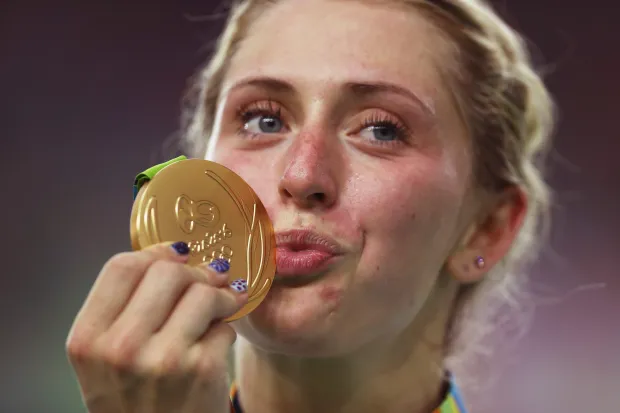
Introduction: Injury to Gold Medal – Triumph Against the Odds


The journey from injury to gold medal is one of the most compelling paths in sport, and it often begins with effective athlete recovery. Many athletes face injuries that could end their careers, yet some transform adversity into progress. Through determination, structured rehabilitation, and the support of assistive technology, these athletes do more than recover—they return to competition and reach the highest levels of performance.
From wheelchair basketball to swimming and athletics, the combination of mental resilience and technological innovation is redefining what is possible in sports. This post explores several remarkable athletes’ journeys, the technologies that enabled their comebacks, and lessons for aspiring athletes.
The Role of Assistive Technology in Athletic Rehabilitation
Modern assistive technology (AT) has transformed rehabilitation and performance. It includes devices, systems, and tools that help athletes regain mobility, strength, and competitive edge. These innovations have accelerated recovery timelines and allowed athletes to return to elite competition after injuries that once ended careers.
Key Assistive Technologies
- Robotic Exoskeletons: Wearable devices that support movement and strengthen muscles during recovery.
- Adaptive Prosthetics: Lightweight, sport-specific limbs for running, swimming, and jumping.
- Virtual Reality (VR) Rehabilitation: Immersive simulations to retrain movement safely.
- Wearable Sensors: Track biomechanics, monitor performance, and detect early signs of strain.
- Custom Adaptive Equipment: Wheelchairs, bikes, and other gear tailored to athlete needs.
Table: Technology vs. Recovery Benefit
| Technology | Benefit | Example Use Case |
|---|---|---|
| Robotic Exoskeleton | Muscle strengthening, gait retraining | Post-hip or spinal injuries |
| Adaptive Prosthetics | Restore competitive movement | Sprinting, swimming, cycling |
| VR Rehabilitation | Safe skill retraining | Gymnastics, cycling drills |
| Wearable Sensors | Performance monitoring | Running, swimming, wheelchair sports |
| Custom Adaptive Equipment | Safety and optimized efficiency | Wheelchair basketball, rowing |
Athlete Case Studies: From Injury to Gold Medal
1. Sophie Carrigill – Wheelchair Basketball
Sophie Carrigill became paraplegic after a car accident at 18. Despite this life-changing injury, she discovered wheelchair basketball. Using a customized sports wheelchair and advanced training programs, Sophie eventually became a Paralympic gold medalist. Her story highlights not only the physical recovery but also mental perseverance and the support network of coaches and therapists.
Technology Used: Custom sports wheelchair, wearable sensors for performance monitoring.
2. Morgan Stickney – Swimming
Morgan Stickney underwent two below-knee amputations due to a congenital condition. Determined to compete, she trained with prosthetic swim fins and used performance monitoring sensors to optimize stroke technique. Her resilience culminated in two gold medals at the Tokyo 2021 Paralympics.
Technology Used: Prosthetic swim fins, data-driven stroke analysis.
3. Dan Pembroke – Javelin
British athlete Dan Pembroke tore his hip adductor just weeks before the World Para Athletics Championships. Through wearable sensor-guided strength programs and focused rehabilitation, he clinched gold in the F13 javelin event. This comeback demonstrates how late-stage injuries can be overcome with the right technology and disciplined recovery.
Technology Used: Wearable sensors, strength optimization programs (The Independent).
4. Tatyana McFadden – Wheelchair Racing
Born with spina bifida, Tatyana McFadden turned to wheelchair racing as a teenager. Using specialized racing wheelchairs and biomechanical training programs, she won 17 Paralympic medals, including multiple golds. Her journey exemplifies the combination of adaptive technology and relentless work ethic.
Technology Used: Racing wheelchairs, motion analysis software.
5. Blake Leeper – Sprinting
Blake Leeper, a double below-the-knee amputee, utilized carbon-fiber running prosthetics to compete at world-class levels. Despite the physical challenges, he reached the finals at multiple world championships, showcasing the potential of advanced prosthetic design in enabling athletic excellence.
Technology Used: Carbon-fiber sprinting blades, motion tracking sensors.
6. Ellie Cole – Swimming
Ellie Cole, born with congenital leg amputation, mastered swimming with adaptive fins and performance tracking technology. Her dedication led to multiple Paralympic gold medals, showing how technology amplifies natural talent and determination.
Technology Used: Prosthetic fins, underwater performance sensors.
Psychological Recovery: Mind Over Matter
Physical recovery is only part of the journey. Athletes also face mental hurdles:
- Overcoming Trauma: Adjusting to new physical realities.
- Resilience Training: Visualization, meditation, and goal setting.
- Support Networks: Family, coaches, and therapists play critical roles.
- Confidence Through Technology: Real-time feedback and measurable progress boost mental resilience.
Global Adaptive Sports Programs
Support systems worldwide enhance the impact of assistive technology:
- Australia: Grants and Paralympic centers provide tech access and coaching.
- United Kingdom: UK Sport funds prosthetics and robotics research.
- United States: U.S. Paralympics partners with tech companies to advance prosthetic and wearable solutions.
Table: Global Support for Adaptive Athletes
| Country | Funding Initiatives | Technology Focus | Impact |
|---|---|---|---|
| Australia | Grants, Paralympic centers | Prosthetics, VR training | Elite gold medal performances |
| UK | UK Sport, R&D funding | Robotic rehab exoskeletons | Faster recovery & performance |
| USA | Tech partnerships, training hubs | Carbon-fiber prosthetics | High Paralympic participation |
Tips for Aspiring Adaptive Athletes
- Invest in the Right Technology: Tailor prosthetics and gear to your sport.
- Mental Resilience: Practice visualization and set achievable goals.
- Use Data Effectively: Track progress with wearable sensors.
- Build a Strong Support System: Coaches, therapists, and family matter.
- Consistency: Daily training compounds into elite performance.
Conclusion: Redefining the Possible
The journey from injury to gold medal is a testament to resilience, innovation, and human spirit. Athletes like Sophie Carrigill, Morgan Stickney, and Tatyana McFadden prove that adversity can be transformed into victory with determination and assistive technology.
As innovations continue to evolve, future athletes will face fewer limits, inspiring generations to come. The combination of human willpower and technology ensures that the road from injury to gold medal remains one of the most powerful stories in sports.


