
Breaking Barriers, Building Community
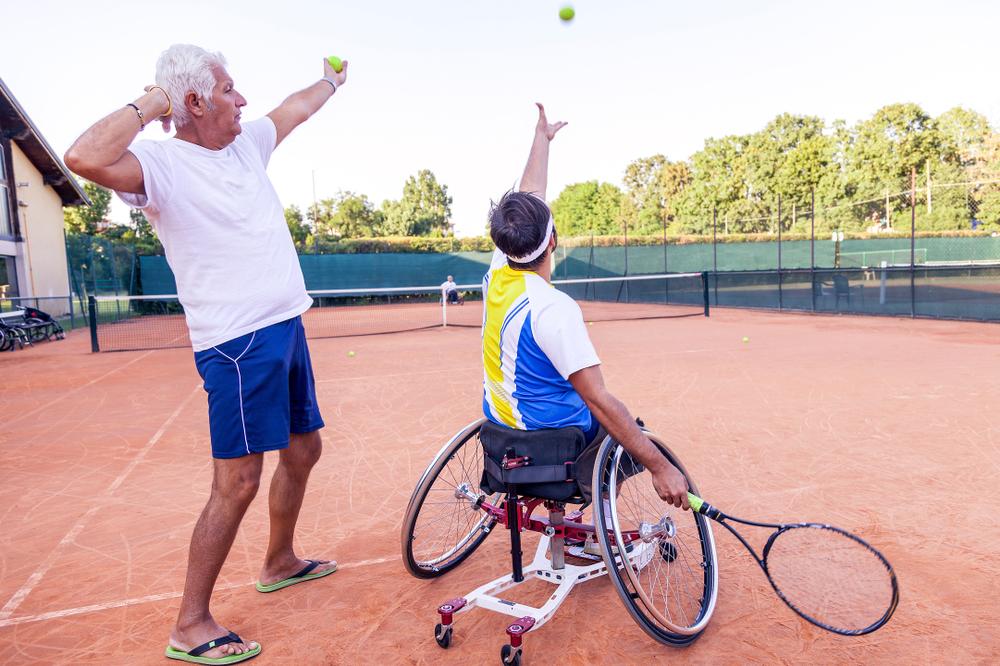
Adaptive tennis isn’t just a sport—it’s a movement redefining what’s possible on the court. Picture this: a player in a wheelchair executing a perfectly timed serve, their opponent scrambling across the baseline to return the volley, the crowd rising to their feet. This isn’t a rarity anymore. It’s happening in clubs, community centers, and professional tournaments across the United States, United Kingdom, and Canada.
The landscape of competitive tennis has transformed dramatically over the past two decades. What once seemed impossible—athletes with significant physical disabilities competing at elite levels—is now a thriving reality. Professional adaptive tennis players command sponsorships, travel the world for tournaments, and inspire thousands with their athleticism and determination. Yet beyond the professional circuit, something equally important is happening at the grassroots level, where thousands of people are discovering that tennis can be adapted to include virtually everyone.

Whether you’re an athlete eager to discover a sport that celebrates your abilities, a seasoned player looking for a new challenge, or someone passionate about creating inclusive communities, adaptive tennis has a place for you. The sport continues to grow, driven by dedicated players, innovative programs, and volunteers who understand that athletics should belong to everyone. The beauty of adaptive tennis lies in its flexibility—it meets players wherever they are, both physically and competitively.
What is Adaptive Tennis?
Adaptive tennis is competitive or recreational tennis modified to include athletes with physical disabilities. But here’s what makes it truly remarkable: the modifications aren’t limitations—they’re innovations that showcase human ingenuity and determination. Players with spinal cord injuries, amputations, cerebral palsy, visual impairments, and other disabilities compete using wheelchairs, prosthetics, and adapted equipment while maintaining the sport’s integrity and competitive spirit.
The beauty of adaptive tennis lies in how closely it mirrors traditional tennis. The court dimensions remain the same, the scoring system is identical, and the fundamental skills of serve, volley, groundstroke, and footwork apply equally. What changes is how athletes access and execute these skills, creating a level playing field where disability becomes irrelevant to athletic achievement.
The sport exists across three main categories: wheelchair tennis (the most popular and widely recognized), standing tennis (for athletes with lower limb disabilities using prosthetics), and blind tennis (adapted for athletes with visual impairments). Each format maintains the essence of the game—strategy, athleticism, and pure competitive excitement—while ensuring every athlete can participate fully. Professional wheelchair tennis players now compete in major tournaments, earning prize money and sponsorships alongside their able-bodied counterparts.
What makes adaptive tennis distinctive is its accessibility structure. Unlike many adaptive sports, tennis has established pathways from grassroots programs to international competition, with professional players earning recognition and sponsorships on the global stage. Young players can start with beginner programs, progress through competitive brackets, and potentially reach the professional circuit—a career arc available in few other adaptive sports.

The Performance and Wellness Benefits
Beyond the court, adaptive tennis offers substantial physical and psychological benefits that extend far into daily life. These aren’t theoretical benefits—they’re measurable changes that athletes and coaches witness regularly:
- Cardiovascular Health: Improves heart health and endurance, reducing long-term health risks. Tennis demands rapid directional changes and sustained effort, creating excellent cardiovascular conditioning regardless of disability.
- Upper Body Strength: Builds muscle and functional capacity, particularly in arms and core. The overhead serve, lateral reaches, and the explosive pushing motions required in wheelchair tennis develop functional strength that translates to daily independence.
- Mental Wellness: Reduces anxiety, improves mood, and fosters psychological resilience. The achievement, community, and sense of mastery that comes with competitive sports creates profound mental health benefits.
- Social Connection: Creates community and belonging, combating isolation. Many athletes report that adaptive tennis communities become central to their social lives, providing friendship and support beyond the sport itself.
- Independence and Empowerment: Athletes gain confidence in their bodies and abilities, often discovering they can do more than they thought possible. This mindset shift frequently extends into other life areas—education, careers, and personal relationships.
- Longevity: Research shows adaptive athletes experience improved overall health outcomes and longer lifespans compared to sedentary individuals with similar disabilities.
The combination of physical exertion, competitive engagement, and community involvement creates a holistic wellness effect that extends far beyond traditional fitness alone. Athletes often describe adaptive tennis as transformative, changing not just their physical health but their entire outlook on life.
Getting Started: Pathways for Adaptive Tennis Players
If you’re interested in playing adaptive tennis, the entry points are more accessible than ever. Here’s how to begin:
1. Connect with Local Programs
Start by reaching out to your local tennis clubs or disability sports organizations. Most regions now have dedicated adaptive tennis programs. The USTA (United States Tennis Association) provides comprehensive resources and can connect you with regional programs. The LTA (Lawn Tennis Association) offers similar guidance across the United Kingdom, with excellent disability tennis initiatives and local club connections.
2. Explore Community Centers and Facilities
Many community tennis facilities have partnered with adaptive sports organizations to create inclusive programs. Organizations like the Junior Tennis Champions Center (JTCC) in Washington, D.C., demonstrate how facilities can develop comprehensive adaptive tennis initiatives with professional coaching and competitive opportunities.
3. Start with Beginner-Friendly Formats
Many programs begin with recreational play before moving into competitive structures. This allows you to learn fundamentals, understand how your body adapts to the sport, and build confidence at your own pace. Visit LTA’s disability tennis page to find beginner programs near you.
4. Work with Specialized Coaches
Coaches trained in adaptive tennis understand wheelchair mechanics, prosthetic management, and technique modifications. They’ll help you develop skills efficiently and safely. The USTA adaptive programs maintain directories of certified adaptive coaches.
Equipment and Accessibility
A common misconception is that adaptive tennis requires expensive, hard-to-access equipment. The reality is more encouraging.
Wheelchairs for Tennis: Wheelchair tennis chairs differ from everyday mobility chairs—they’re engineered for agility and stability on court. Most adaptive tennis programs help players access equipment through loans, grants, or manufacturer partnerships. While specialized chairs can be costly, many organizations offer financial assistance.
Prosthetics and Adaptive Gear: For standing players, tennis-specific prosthetics are designed with greater sophistication. While not always covered by standard insurance, many athletes access these through disability sports grants, sponsorships, or adaptive equipment programs. Explore whether your region has insurance coverage for adaptive sports equipment—this landscape is evolving positively.
Standard Equipment: Standard tennis rackets, balls, and court access remain consistent. Most clubs can accommodate adaptive players with minimal facility modifications, making tennis remarkably accessible.

Opening Doors as a Volunteer
The growth of adaptive tennis depends on passionate volunteers who bring energy, expertise, and genuine commitment to the community. If you want to contribute meaningfully, here are impactful roles that make a real difference in athletes’ lives:
- Program Coordinators: Organize sessions, manage registrations, handle equipment logistics, and coordinate with facilities. No specialized tennis knowledge required—just organizational skills and enthusiasm. These coordinators are the backbone of programs, ensuring everything runs smoothly so coaches can focus on athletes.
- Coaches and Instructors: Share tennis expertise with adaptive athletes. Organizations often provide comprehensive training in adaptive coaching methods, which differ significantly from traditional coaching. Coaches learn how to modify instructions, understand disability-specific considerations, and adapt demonstrations to ensure all students can follow along. Check USTA’s adaptive program for coaching certification opportunities.
- Event Organizers: Help host tournaments, exhibitions, and community events that showcase adaptive tennis. These events aren’t just competitions—they’re opportunities for athletes to gain confidence, for communities to witness inclusion in action, and for sponsors to see the impact of their support.
- Accessibility Advocates: Work with facilities to improve wheelchair access, court conditions, and inclusive policies. This might involve recommending equipment modifications, ensuring accessible parking and bathrooms, or advocating for accessible transportation to tournaments.
- Fundraisers and Grant Writers: Support program growth by securing funding through grants and corporate sponsorships. This role is critical since many programs operate on limited budgets and rely on volunteers’ grant-writing skills to expand services.
- Mentors and Peer Supporters: Provide guidance and encouragement to new players navigating their adaptive tennis journey. Athletes often benefit tremendously from connecting with more experienced players who understand the psychological and physical challenges of competing with a disability.
Where to Find Opportunities
The adaptive tennis landscape is well-organized across North America. Here’s where to start:
United States: Contact the USTA about adaptive tennis programs or reach out to your state association. Regional coordinators can connect you with local clubs and training facilities.
United Kingdom: The LTA provides detailed information about getting involved in disability tennis, including club partnerships and organized events throughout the country.
Canada: Contact Tennis Canada and your provincial tennis association for adaptive programs, which are increasingly available through disability sports councils.
For specialized programs, the Junior Tennis Champions Center offers comprehensive adaptive tennis programming that demonstrates what’s possible at the community level.
What Makes Adaptive Tennis Special
Adaptive tennis isn’t just about individual athletes—it’s reshaping how communities understand inclusion. Young people discover they can compete at the highest levels. Families witness their loved ones experiencing the confidence that comes from athletic achievement. Communities become more accessible as clubs upgrade facilities for wheelchair access, benefiting everyone using the space.
The sport demonstrates something powerful: with thoughtful adaptation and genuine commitment to inclusion, any sport can welcome athletes of all abilities. Tennis, with its established competitive structure and global community, serves as a model for what inclusive sports can become.
Consider the ripple effects: when a tennis club adds wheelchair-accessible courts and ramps, those improvements benefit parents with strollers, elderly members with mobility issues, and people using crutches or walkers. When programs hire coaches trained in adaptive methods, they develop expertise that extends to coaching young children or athletes with learning differences. When volunteers coordinate adaptive tennis events, they learn principles of accessibility that enhance their entire community.
Why Now is the Perfect Time to Get Involved
The adaptive tennis community is experiencing unprecedented growth. More resources are available than ever before. Equipment technology continues to improve, making prosthetics and wheelchairs more functional and affordable. Professional players are gaining prominence, inspiring the next generation of athletes. Most importantly, organizations actively seek volunteers and new players, making entry points more accessible than in previous years.
The current momentum creates opportunity—whether you’re an athlete ready to compete or a community member wanting to make a difference, this is the ideal moment to step in.
Taking Your Next Step
The door to adaptive tennis is open. Whether you’re ready to step onto the court as a player or ready to support the community as a volunteer, the next steps are straightforward and welcoming:
- Search for programs nearby using “adaptive tennis programs near me” or visit your national governing body’s website for comprehensive program directories
- Contact your local tennis club to ask about inclusive programming and accommodation options. Many clubs are eager to learn about community interest in adaptive programs
- Reach out to your national organization for personalized guidance:
- USTA Adaptive Tennis Programs (United States) – comprehensive resources and program finder
- LTA Disability Tennis (United Kingdom) – established programs and clubs throughout the UK
- Junior Tennis Champions Center (Washington D.C. and beyond) – model programs demonstrating excellence
- Connect with existing players and volunteers through local clubs and online communities. Their enthusiasm is infectious and their insights invaluable for someone just starting out
Your Impact Matters
Adaptive tennis isn’t a niche sport anymore—it’s a thriving, inclusive community with boundless potential. Every athlete who takes the court, every volunteer who supports programs, and every community that embraces inclusion contributes to something larger than themselves.

The question isn’t whether you can get involved. It’s what role you’ll play in this movement. Will you be the athlete discovering your competitive spirit? The volunteer who makes programs possible? The advocate who opens doors for others? The answer awaits you on the court.
Welcome to adaptive tennis. The court awaits.
Read More: How to Choose the Right Wheelchair for Adaptive Sports and Maximize Performance
Share Now


