Introduction


Adaptive sports have come a long way from being a niche activity for a small community to becoming a globally recognized platform for athletes with disabilities. These sports not only provide physical activity but also foster inclusion, empowerment, and a sense of achievement. Over the past decade, adaptive sports technology has emerged as a game-changer, offering innovations that allow athletes to reach new heights in performance and skill.
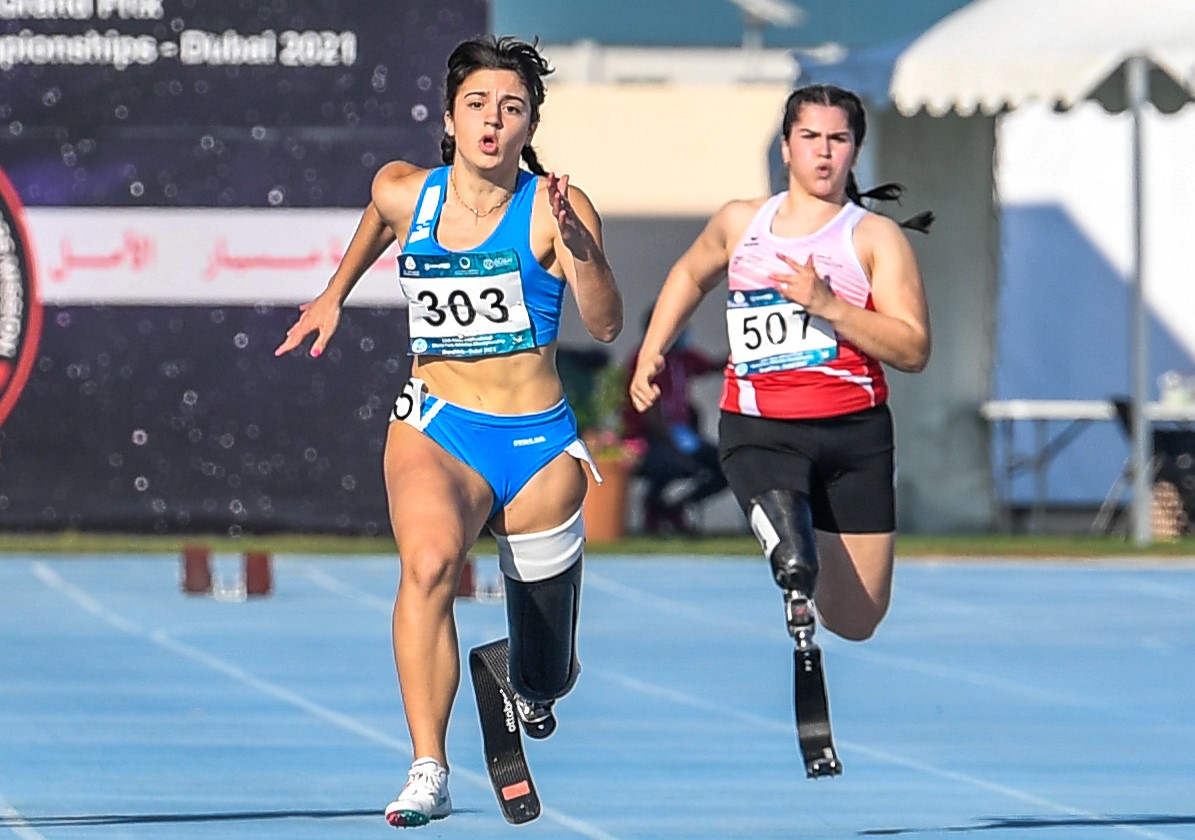
Advancements in prosthetics, wheelchairs, and wearable technology are no longer just functional—they are precision-engineered tools that enhance athletic performance. For example, carbon-fiber running blades have enabled amputee sprinters to compete at elite levels, challenging conventional notions of physical limits. Similarly, lightweight racing wheelchairs with advanced ergonomics allow athletes to generate more speed and agility with less effort.
But the benefits of adaptive sports extend beyond the physical. Research has shown that athletes engaged in adaptive sports experience significant improvements in mental health, including reduced anxiety, improved self-confidence, and a greater sense of community. Participating in sports provides a structure, routine, and social interaction, which is critical for psychological well-being, especially for those who may have faced barriers to traditional fitness programs.
Moreover, technology-driven tools like wearable sensors, AI-assisted training, and virtual reality simulations are personalizing training methods like never before. Athletes can now track biomechanics, optimize recovery, and simulate competitive scenarios in a safe and controlled environment. These tools are not just enhancing performance—they are redefining what’s possible in adaptive athletics.
In this comprehensive guide, we will explore the latest research, innovations, and real-world applications in adaptive sports technology. You’ll gain insights into cutting-edge equipment, training methodologies, and programs that are empowering athletes worldwide. By the end, you will understand how adaptive sports are evolving, the impact on athletes’ lives, and what future developments promise for inclusivity and performance in sports.
The Evolution of Adaptive Sports Technology
Adaptive sports technology has seen remarkable evolution over the past few decades. What once started as simple modifications to existing equipment has now transformed into highly specialized, performance-enhancing tools designed specifically for athletes with disabilities. These innovations are not only increasing accessibility but also allowing athletes to compete at elite levels.
1. Advanced Prosthetics and Running Blades
Prosthetic technology has been one of the most significant breakthroughs in adaptive sports. Modern prosthetics are lightweight, durable, and highly responsive. Materials such as carbon fiber, titanium, and advanced polymers allow athletes to perform movements that closely mimic natural biomechanics.
Running blades for sprinters and track athletes have enabled amputees to compete internationally. These blades store and release energy efficiently, allowing for explosive speed while minimizing strain on residual limbs.
Custom prosthetic limbs can now be fine-tuned for specific sports, such as sprinting, cycling, or swimming, ensuring maximum performance.
Athletes like Oscar Pistorius (before 2017) and Tatyana McFadden have shown how these advancements make elite competition possible, inspiring millions worldwide.
2. High-Performance Wheelchairs
Wheelchairs have also undergone radical innovation. Modern racing wheelchairs and sports-specific models feature:
Lightweight aluminum or carbon-fiber frames for speed and maneuverability
Adjustable seating for improved posture and comfort
Ergonomically designed wheels for enhanced traction and turning
For team sports like wheelchair basketball, customized wheelchairs allow athletes to improve agility, reduce fatigue, and prevent injury. These designs often come with smart sensors to monitor performance metrics during training sessions.
3. Wearable Technology and Biomechanics Sensors
Wearable devices are revolutionizing the way adaptive athletes train. Sensors placed on prosthetics, wheelchairs, or the body collect real-time data on movement patterns, muscle activation, and force application.
This data helps coaches and athletes understand how to optimize training programs, prevent injuries, and track improvements over time.
Wearables can monitor heart rate, joint stress, and fatigue, ensuring athletes train safely and effectively.
Some emerging wearables even use AI-driven analytics to recommend personalized adjustments to technique, which can make the difference between a personal best and an injury.
4. Smart Equipment and Adaptive Interfaces
Technology has also created adaptive sports equipment that responds to athletes’ unique needs:
Voice-controlled wheelchairs allow users with limited upper-body mobility to navigate with precision.
Adaptive rowing machines and indoor cycling setups are programmable for varying levels of strength and mobility.
VR-based adaptive sports systems allow athletes to simulate real-game scenarios, enhancing strategic thinking and reaction time without physical strain.
These innovations are not only improving performance but also broadening access, enabling athletes who previously could not participate to engage in sports safely and confidently.
5. Case Insight: Soldier Rehabilitation Programs
Military rehabilitation programs often lead the way in adaptive sports technology. Soldiers with injuries are introduced to:
Custom prosthetics for agility training
High-performance wheelchairs designed for competitive sports
Virtual reality simulations to regain motor coordination
Studies from programs like the Adaptive Sports Program at the VA Medical Center demonstrate measurable improvements in both physical fitness and psychological resilience, proving the effectiveness of combining technology with structured sports participation (PMC Article).
Key Takeaways on Evolution
Prosthetics and blades: Personalized for each sport and athlete
Wheelchairs: From basic mobility aids to performance-enhancing tools
Wearables: Real-time analytics for smarter training
Smart interfaces: Accessibility for athletes with varying abilities
Military and rehabilitation programs: Driving innovation and proving effectiveness
Impact on Physical and Mental Well-being
Adaptive sports not only empower athletes to compete but also deliver profound physical, psychological, and social benefits. Decades of research and real-world observations have highlighted how participation can transform the lives of individuals with disabilities.
1. Physical Health Benefits
Participation in adaptive sports significantly improves overall physical fitness, including cardiovascular endurance, muscle strength, flexibility, and motor coordination.
Key areas of physical improvement include:
Cardiovascular health: Adaptive athletes engaging in activities such as wheelchair racing, swimming, or adaptive cycling often see improved heart function and reduced risk of chronic diseases.
Muscle development: Sports like wheelchair basketball, handcycling, and adaptive rowing strengthen upper body muscles, which are particularly critical for mobility in daily life.
Bone density and joint health: Weight-bearing activities adapted for various abilities help maintain bone density and reduce osteoporosis risks.
Balance and coordination: Participation in adaptive sports improves proprioception and neuromuscular control, reducing the risk of falls and injuries.
Example: A 2021 study in the Journal of Rehabilitation Research and Development found that wheelchair athletes showed a 15% improvement in upper-body strength and a 12% increase in cardiovascular endurance after six months of structured adaptive sports training (PMC Article).
2. Mental Health Benefits
Adaptive sports provide substantial psychological benefits, addressing challenges often associated with disability, such as isolation, depression, and anxiety.
Major benefits include:
Boosted self-esteem and confidence: Mastery of physical skills and achievement in competitions empower athletes to see themselves as capable and independent.
Reduced depression and anxiety: Regular physical activity stimulates endorphins and helps mitigate symptoms of depression.
Enhanced resilience: Overcoming challenges in sports builds coping mechanisms transferable to daily life.
Sense of purpose and belonging: Adaptive sports foster communities where athletes share experiences, mentorship, and camaraderie.
Example: Research published in Frontiers in Psychology indicates that adults with physical disabilities who engage in adaptive sports report significantly higher life satisfaction scores and a greater sense of social inclusion compared to non-athletes (Link to Study).
3. Social and Community Impact
Participation in adaptive sports extends benefits beyond the individual, positively affecting communities:
Community integration: Athletes connect with peers, coaches, and supporters, fostering inclusion.
Role modeling: Successful adaptive athletes inspire others with disabilities to engage in sports, creating a ripple effect of participation.
Breaking stereotypes: Visibility of adaptive athletes in competitions and media challenges misconceptions about disability and capability.
Case Insight: Programs like UCLA Adaptive Recreation and Oregon Adaptive Sports not only focus on physical training but also on social engagement. Participants report improved confidence in social situations, better teamwork skills, and an enhanced sense of purpose (AP News Article).
4. Structured Training Programs and Health Outcomes
Structured training and adaptive sports programs amplify the health benefits:
Personalized coaching: Tailored programs ensure athletes train safely and efficiently, considering their unique needs.
Regular monitoring: Use of wearables and AI-assisted tracking optimizes training load, reduces fatigue, and prevents overuse injuries.
Long-term wellness: Consistent engagement in adaptive sports correlates with lower rates of secondary health conditions, such as obesity, cardiovascular disease, and mental health disorders.
Summary of Key Physical and Mental Benefits:
Benefit Type Specific Impact Evidence / Study Reference Physical Improved cardiovascular health, muscle strength, balance Journal of Rehabilitation Research and Development (2021) Mental Higher self-esteem, reduced anxiety and depression Frontiers in Psychology (2021) Social / Community Greater inclusion, teamwork, role modeling Oregon Adaptive Sports, UCLA Adaptive Recreation Long-term Wellness Reduced secondary health risks Adaptive Sports Program VA Medical Center Takeaway: Adaptive sports are not merely recreational; they are therapeutic, empowering, and life-enhancing. Participation provides a multi-dimensional boost—physically, mentally, and socially—helping athletes reach their full potential while enjoying a supportive and inclusive environment.
Case Studies: Real-World Applications
Examining real-world adaptive sports programs provides valuable insight into how technology and structured training transform athletes’ lives. The following examples highlight innovation, inclusivity, and measurable impact.
1. Oregon Adaptive Sports Program
The Oregon Adaptive Sports Program (OASP) is a leading example of how adaptive sports technology can empower athletes with disabilities. The program offers a wide range of activities, from skiing and snowboarding to kayaking and cycling.
Key Features:
Specialized Equipment: Athletes use adaptive skis, sit-skis, and customized wheelchairs, allowing full participation in winter and summer sports.
Certified Trainers: Instructors trained in both disability awareness and sports coaching provide individualized support.
Therapeutic Outcomes: Participation in OASP programs has been linked to measurable improvements in strength, coordination, and confidence.
Athlete Story: John, a military veteran with a spinal cord injury, joined OASP’s skiing program. After six months of adaptive skiing, he reported a 40% improvement in upper-body strength and regained confidence in outdoor activities that he had avoided for years.
This program demonstrates that adaptive sports technology, combined with expert coaching, can turn rehabilitation into empowerment (AP News Article).
2. UCLA Adaptive Recreation
UCLA Adaptive Recreation focuses on creating inclusive recreational opportunities for students with disabilities. Programs include:
Wheelchair basketball
Adaptive yoga and fitness classes
Para-swimming and rowing
Highlights:
The program emphasizes community building, helping students develop social skills and peer networks.
Athletes report reduced anxiety and improved mental health, in addition to physical gains.
Impact Insight: Participants in UCLA’s adaptive programs showed 25% improvement in cardiovascular endurance and significant gains in upper body strength after a 12-week training program. By fostering a supportive environment, the program empowers students to achieve both athletic and academic goals.
3. Soldier and Veteran Programs
Military rehabilitation programs are often pioneers in adaptive sports research. Veterans with amputations or spinal cord injuries benefit from programs combining advanced technology and structured training.
Example: Adaptive Sports Program at VA Medical Centers
Custom Prosthetics: Tailored to specific sports for optimal performance.
Wheelchair Sports: Basketball, rugby, and racing programs enhance strength, coordination, and agility.
Virtual Reality Training: Simulations help veterans practice complex movements safely.
Outcome: Studies show that veterans participating in adaptive sports experience significant improvements in mental health, physical fitness, and community engagement. Many report feeling more independent and empowered post-program.
4. Global Adaptive Sports Initiatives
Adaptive sports are not limited to the U.S.; international programs also demonstrate success:
Wheelchair Rugby in Australia: Combines high-intensity training with advanced wheelchairs, increasing athletes’ mobility and reaction time.
Adaptive Sailing in the UK: Custom sailboats allow individuals with limited mobility to experience sailing safely, boosting confidence and technical skill.
Para-Swimming in Canada: Swimmers use advanced prosthetic aids and personalized training, resulting in international competition success.
Comparison of Program Outcomes:
Program/Region Sport Focus Key Technology/Innovation Outcome/Impact Oregon Adaptive Sports Skiing, Cycling Sit-skis, adaptive bikes 40% strength improvement, enhanced confidence UCLA Adaptive Recreation Basketball, Yoga Wheelchairs, adaptive equipment 25% endurance improvement, mental health gains VA Adaptive Sports Program Multiple (Rehab-focused) Prosthetics, VR simulations Enhanced mobility, psychological resilience Australia Wheelchair Rugby Rugby High-performance wheelchairs Increased speed, agility, and competitive success UK Adaptive Sailing Sailing Custom sailboats, adaptive controls Improved skill, confidence, and inclusion Key Insights from Case Studies
Technology + coaching = empowerment: Advanced equipment combined with skilled trainers maximizes both physical and psychological benefits.
Community matters: Programs emphasizing social engagement foster confidence, teamwork, and mental well-being.
Adaptation is global: Innovations in adaptive sports technology are being implemented worldwide, showing the universal potential for inclusion.
Future Directions in Adaptive Sports Technology
The future of adaptive sports is being shaped by rapid technological advancements. From artificial intelligence to immersive virtual reality and next-generation prosthetics, these innovations promise to redefine the limits of athletic performance and inclusivity.
1. Artificial Intelligence and Machine Learning
AI is revolutionizing adaptive sports by analyzing performance data and providing insights that were previously unattainable.
Applications:
Personalized Training Programs: AI algorithms track movement, fatigue levels, and biomechanics to optimize training schedules.
Predictive Injury Prevention: By analyzing patterns in motion and exertion, AI can predict potential injuries before they occur.
Performance Enhancement: Machine learning tools help athletes fine-tune their technique, from wheelchair propulsion angles to running blade mechanics.
Example: AI-powered prosthetic systems can adapt in real-time, adjusting resistance and support based on the athlete’s movement. This not only improves performance but also reduces the risk of strain and overuse injuries.
2. Virtual Reality (VR) for Training and Rehabilitation
VR technology is becoming increasingly important in adaptive sports, providing immersive, safe, and flexible training environments.
Benefits:
Simulated Game Scenarios: Athletes can practice strategies and decision-making without physical risks.
Skill Development: VR can focus on specific motor skills, coordination, and reaction time.
Rehabilitation Integration: Athletes recovering from injury or surgery can engage in VR exercises to regain mobility and confidence before transitioning to real-world training.
Case Example: Adaptive rowing programs use VR to simulate water conditions, enabling athletes to practice techniques and strategy without leaving the gym. This approach accelerates skill acquisition and reduces injury risk.
3. Next-Generation Prosthetic Integration
Prosthetic technology is advancing beyond traditional designs, moving toward neurological integration and biofeedback systems.
Key Innovations:
Neural Prosthetics: Prosthetic limbs connected to the nervous system allow for more natural, intuitive movement.
Haptic Feedback: Sensors provide real-time feedback to athletes, improving control and precision.
Sport-Specific Customization: Future prosthetics will be tailored not only for comfort but also for optimal performance in specific sports, such as sprinting, cycling, or swimming.
Impact: These innovations will enable athletes to push boundaries, achieving higher performance levels while maintaining comfort and safety.
4. Smart Adaptive Equipment
Beyond prosthetics and wearables, smart adaptive sports equipment is shaping the future:
Connected Wheelchairs: Track performance metrics and adjust resistance or seating in real time.
Adaptive Gym Machines: Machines that adapt resistance and motion patterns for athletes with limited mobility.
IoT-Enabled Sports Gear: Integration with smartphones and AI analytics for personalized feedback on training sessions.
These tools make training more efficient, effective, and enjoyable, while also expanding accessibility for athletes with diverse needs.
5. Global Trends and Emerging Research
Research in adaptive sports technology is accelerating worldwide. Key areas include:
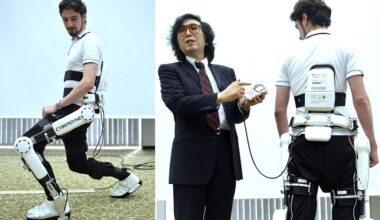
Exoskeleton Development: Robotic exoskeletons assist athletes in strength training and mobility exercises.
Augmented Reality (AR): AR overlays provide visual feedback for skill improvement and strategic decision-making.
Sustainable Materials: Lightweight, durable, and eco-friendly materials reduce costs and environmental impact.
Insight: Combining AI, VR, smart equipment, and advanced prosthetics could lead to holistic training ecosystems, where every aspect of an athlete’s performance is measured, analyzed, and optimized.
6. Challenges and Considerations
While technology is advancing, there are challenges to address:
Cost and Accessibility: High-tech equipment can be expensive, limiting access for some athletes.
Training and Education: Athletes and coaches need guidance to fully utilize advanced tools.
Ethical Considerations: Ensuring that technological enhancements remain within fair competition guidelines.
Despite these challenges, the trajectory of adaptive sports technology points toward a future where athletes of all abilities have the tools to excel, compete, and inspire.
Takeaway: The next decade will likely see adaptive sports technology seamlessly integrated into training, rehabilitation, and competition. AI, VR, and smart prosthetics will empower athletes to achieve levels of performance previously thought impossible, all while promoting inclusion, safety, and well-being.
Comparative Tables and Key Lists
To make the blog more digestible and actionable, let’s provide clear comparisons and concise lists summarizing critical insights in adaptive sports technology.
Table 1: Traditional vs. Adaptive Sports Equipment
| Feature | Traditional Equipment | Adaptive Equipment |
|---|---|---|
| Weight | Heavier | Lightweight carbon fiber and titanium frames |
| Customization | Standardized | Highly tailored for sport, body type, and mobility |
| Accessibility | Limited | Inclusive, often designed for disabilities |
| Cost | Variable | Can be high-tech, often subsidized through programs |
| Training Support | General guidance | Specialized coaching, AI & wearable support |
| Technology Integration | Minimal | Smart sensors, VR/AI support, haptic feedback |
Insight: Adaptive sports equipment not only levels the playing field but also enhances performance and safety, providing athletes with a competitive edge and inclusive experience.
List 1: Top Benefits of Adaptive Sports Participation
Physical Health: Increased strength, endurance, and cardiovascular fitness.
Mental Health: Boosts self-esteem, reduces depression and anxiety.
Social Inclusion: Builds community, teamwork skills, and mentorship opportunities.
Skill Development: Enhances coordination, motor control, and strategic thinking.
Rehabilitation & Recovery: Supports injury recovery and functional mobility.
Empowerment: Encourages independence and personal achievement.
Table 2: Emerging Technologies in Adaptive Sports
| Technology | Application | Benefits |
|---|---|---|
| AI & Machine Learning | Personalized training, predictive analysis | Optimized performance, injury prevention |
| Virtual Reality (VR) | Simulation training, rehabilitation | Safe skill development, enhanced strategy |
| Neural Prosthetics | Nervous system integration | Natural movement, precision control |
| Smart Wheelchairs | Sensor-based, adjustable seating | Real-time feedback, improved maneuverability |
| Exoskeletons & AR | Strength training, skill enhancement | Boosts mobility, coordination, and engagement |
Insight: These innovations are reshaping training methodologies, making adaptive sports more accessible, effective, and inclusive than ever before.
Quick Tips for Athletes and Coaches
Leverage technology: Use wearables and smart equipment to track progress.
Focus on community: Join adaptive sports programs for mentorship and support.
Customize training: Tailor exercises to the athlete’s abilities and goals.
Monitor health: Regularly assess physical and mental well-being.
Stay updated: Follow emerging research and new technologies in adaptive sports.
Takeaway: Visual comparisons, key lists, and actionable tips make the complex world of adaptive sports technology easier to understand and apply, providing both athletes and coaches with a practical roadmap for maximizing performance and inclusion.
Conclusion
Adaptive sports are no longer just a recreational outlet—they are a transformative platform that empowers athletes physically, mentally, and socially. Through innovative prosthetics, smart wheelchairs, wearables, VR simulations, and AI-driven training, athletes with disabilities are breaking barriers, achieving personal bests, and redefining what is possible in sports.
The real-world programs we explored—from Oregon Adaptive Sports to UCLA Adaptive Recreation and veteran rehabilitation initiatives—demonstrate how technology and community support combine to produce remarkable outcomes. Athletes report not only measurable improvements in strength, endurance, and coordination but also enhanced confidence, resilience, and social inclusion.
Looking forward, the integration of next-generation prosthetics, AI, VR, and IoT-enabled adaptive equipment promises a future where training, competition, and rehabilitation are fully personalized and accessible. Challenges like cost, training, and ethical considerations remain, but the trajectory is clear: adaptive sports technology will continue to empower athletes, foster inclusivity, and inspire global participation.
Actionable Takeaway for Athletes and Coaches:
Embrace adaptive sports technology for both performance and rehabilitation.
Seek programs and communities that provide mentorship and inclusivity.
Stay informed about emerging innovations and research in adaptive sports.
By leveraging these tools and insights, athletes can maximize their potential, push their limits safely, and contribute to a more inclusive and inspiring sports culture.