Introduction

Before you jump back into training, stop for a moment.
Because right now, adaptive sports discoveries are rewriting what athletes can achieve — and how fast they can progress.
If you’re training again after a break, recovering from injury, entering adaptive sports for the first time, or coaching a diverse team, this guide may be the most important thing you read all season.
These discoveries are not only exciting — they’re reshaping inclusion, athletic development, and the future of competition itself.
Why Adaptive Sports Discoveries Matter Before You Train Again
Adaptive sports were once viewed as alternatives to mainstream athletics. Today, they are leading the innovation wave. The tools, strategies, and breakthroughs developed for adaptive athletes often surpass traditional sports tech in creativity and precision.
This isn’t just about accessibility anymore.
It’s about elite performance, smarter training, faster recovery, and sport-changing technology.
And these discoveries can influence any athlete’s training approach.
Whether you’re adapting to a new physical reality, refining your routine, or supporting someone else’s journey, understanding these innovations unlocks smarter, safer, more effective training.
Adaptive Sports Discoveries Driving a New Era of Training
Below, we explore the most influential breakthroughs across adaptive athletics — and what they mean for your next training cycle.

1. Adaptive Sports Discoveries in High-Tech Prosthetics
Modern sports prosthetics are evolving from static extensions into intelligent performance systems. The latest innovations include:
- Embedded motion sensors
- Energy-return carbon fiber with precision rebound
- Smart microprocessors adjusting stride in real time
- Lightweight aerodynamic blades for multi-surface movement
A standout advancement is the introduction of AI-guided prosthetics that learn an athlete’s running style over time. Early models can already adjust stiffness, energy return, and shock absorption based on biomechanics.
Why it matters before you train again:
These enhancements make training more efficient and reduce the risk of overuse injuries. They also let you track subtle changes in form you couldn’t previously feel.
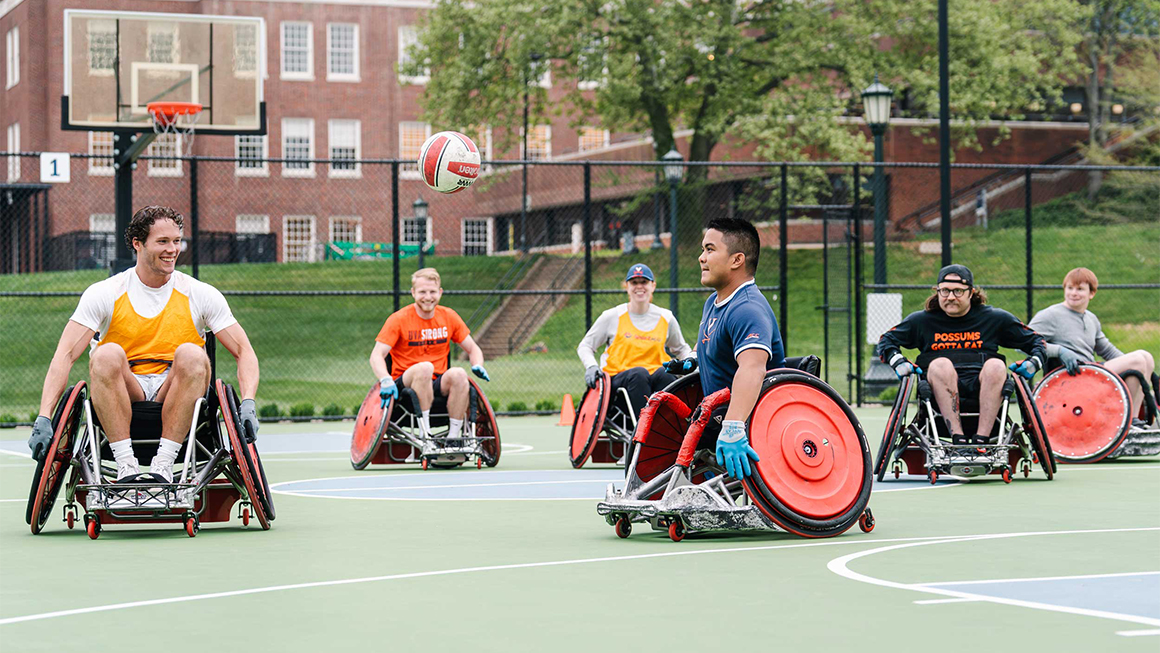
2. Adaptive Sports Discoveries in Wheelchair Performance Engineering
Sports wheelchairs — for basketball, racing, rugby, tennis, and fencing — are now precision vehicles:
- Optimized centers of gravity
- Tilt-responsive frames
- Titanium and carbon ultra-light builds
- Aerodynamic spoke and tire redesign
- Shock-absorbing seat mounts
- Digital power-push measurement tools
These improvements don’t just increase speed — they improve maneuverability, reduce impact, and help athletes train longer without strain.
3. Breakthrough Discoveries in Sensory-Assist Technology
The adaptive sports field now includes smart sensory systems such as:
- Haptic feedback gloves for visually impaired runners to sense lane edges
- Vibration-guided rowing seats for rowers with partial sensation loss
- Auditory navigation grids for soccer, track, and goalball
- Laser-guided target cues for para-shooting
One powerful example is the new generation of adaptive gloves using micro-vibrations to signal direction, speed changes, and hazard zones. These tools amplify independence and deepen the athlete’s confidence.

Adaptive Sports Discoveries in AI Coaching & Smart Training
AI is now one of the most revolutionary drivers of adaptive training progress.
4. AI-Powered Biomechanics Tracking
Apps and platforms now use your camera to generate detailed:
- Posture analysis
- Gait and limb-swing mapping
- Push-stroke measurement (for wheelchair athletes)
- Range-of-motion tracking
- Muscle-fatigue prediction
These systems can flag technique issues before they become injuries.
They’re especially powerful for athletes who cannot feel certain movements or joint positions.
5. Virtual Coaching for Adaptive Athletes
Remote training exploded during the pandemic — and adaptive sports have refined it even further.
Users can now access:
- Live adaptive-specific coaching
- Motion analysis via smartphone
- Remote physiotherapy
- Immersive VR training modules
- Gamified progress tracking
This has made world-class coaching available to athletes who previously lacked access to specialized professionals.
External Link #1
Researchers highlight how revolutionary adaptive technology is improving safety and performance for athletes worldwide.
Read more on the breakthrough adaptive sports engineering insights at
this powerful research overview
Adaptive Sports Discoveries Transforming Mind & Body
Not all discoveries are technological — some come from psychology, community, and the science of human resilience.
6. New Research on Emotional Strength & Adaptive Athletes
Studies show adaptive athletes demonstrate exceptionally high levels of:
- Resilience
- Focus
- Emotional regulation
- Problem-solving
- Empathy
- Social intelligence
These benefits stem from active participation, teamwork, and learning to navigate dynamic challenges.
Training again with awareness of these psychological gains can redefine your motivation.
7. Social Inclusion & Community Discoveries
Adaptive sports programs now integrate:
- Support networks
- Peer mentorship
- Mixed-ability competitions
- Hybrid training programs
- Community rehabilitation partnerships
When you return to training, these layers of community engagement can reduce stress, improve accountability, and increase training longevity.

Adaptive Sports Discoveries Introducing New Disciplines
One of the most exciting developments is the rise of new adaptive sports reshaping athletic identity.
8. Frame Running
Using a three-wheeled running frame, athletes with balance challenges can run with speed and stability.
9. Adaptive Standing Tennis
A fast-growing discipline that levels court competition for athletes with limb differences or balance limitations.
10. Adaptive Dragon Boat Racing & Water Sports
Full-team, rhythm-based water racing that welcomes diverse disabilities and builds core strength quickly.
External Link #2
Discover more groundbreaking adaptive sports growth trends shaping new disciplines here:
powerful adaptive sports analysis
Table — Comparing the Top Adaptive Sports Discoveries
| Adaptive Sports Discoveries | What It Means | Training Benefit |
|---|---|---|
| Smart Prosthetics | AI sensors, carbon fiber, microprocessors | Safer training, improved stride, personalized feedback |
| Advanced Wheelchair Design | Lightweight frames, precision turning | Higher performance, reduced fatigue |
| Sensory Assist Tech | Haptic gloves, auditory cues | Better navigation, independent training |
| AI Training & VR | Remote coaching, motion capture | Access, flexibility, injury prevention |
| Psychological Insights | Resilience, inclusion, focus gains | Improved motivation and mindset |
| New Adaptive Disciplines | Frame running, para-standing tennis | Expanded options & engagement |

How These Adaptive Sports Discoveries Impact Your Next Training Session
Before you train again, consider how these breakthroughs can enhance your routine:
1. Customize Your Training Tools
Use AI apps, sensory tech, and adaptive gear that match your specific needs.
2. Reevaluate Your Goals
Your body, mindset, and environment may have changed — your goals should too.
3. Embrace Virtual Training When Needed
It expands your access to specialists and consistency.
4. Join Adaptive Communities
The emotional benefits can be just as valuable as the physical gains.
5. Consider New Sports
Frame running or adaptive rowing may offer breakthroughs you never expected.
Challenges That Still Exist in Adaptive Sports
While the field is advancing rapidly, several barriers remain:
- High cost of technology
- Limited program funding
- Lack of local adaptive coaches
- Infrastructure gaps in small communities
- Awareness and education challenges
Understanding these challenges makes it easier to navigate your training journey and advocate for better resources.

Final Thoughts — Why Adaptive Sports Discoveries Matter More Than Ever
Adaptive sports discoveries aren’t just add-ons to existing training systems.
They’re the blueprint for the future of inclusive, intelligent, human-centered athletic performance.
Before you train again, take advantage of these innovations.
They exist to support you — whether your goal is:
- building confidence
- recovering mobility
- returning stronger
- competing at elite levels
- or simply rediscovering your joy in movement
The next era of athletics has already begun — and adaptive sports are leading the way.
Keep Exploring Adaptive Sports Discoveries
Read More: Explore deeper guides on adaptive tech, training programs, and athlete success stories.
Share Now: Spread awareness by sharing this post with a coach, teammate, or athlete.
Next Page: Why the 2030 Olympics Could Be Fully Inclusive – A Game‑Changer for Adaptive Sport


