Introduction

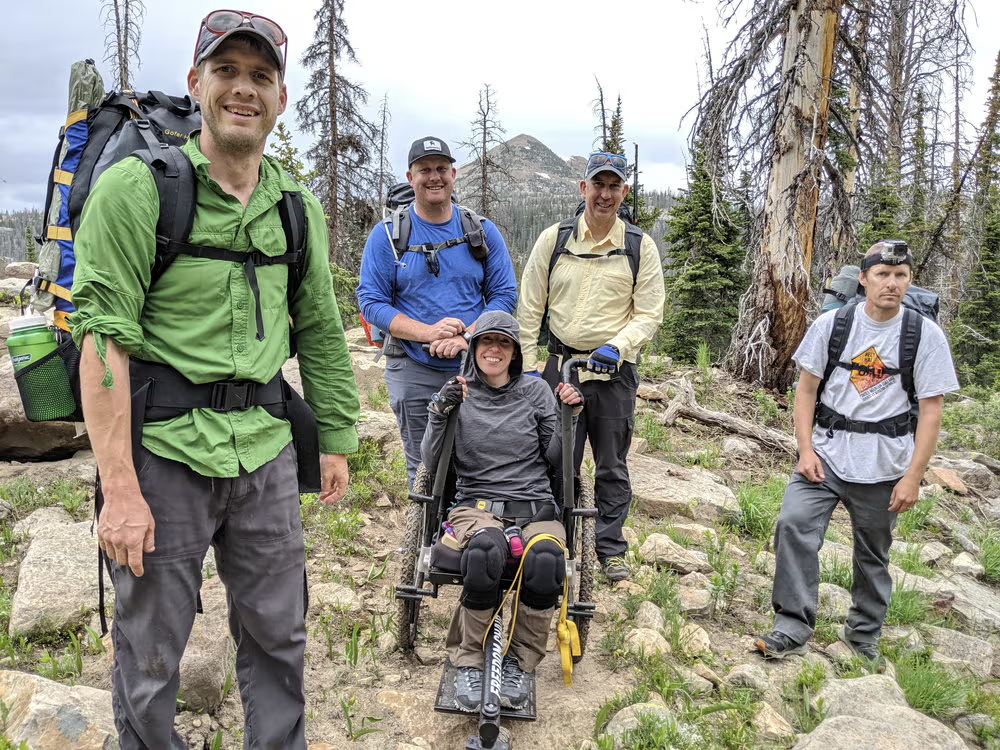
Imagine standing at a trailhead, birds calling overhead, sunlight dancing through the leaves … and realizing that this moment, this experience, can be fully yours to enjoy — regardless of physical limitations. That’s the power of adaptive hiking gear. Whether you’re navigating uneven terrain in a wheelchair, relying on crutches, or using a walker, there is a growing suite of equipment designed to bring the joys of the outdoors within reach.
In this post, we’ll explore the must-have adaptive hiking gear for outdoor fun — gear that enhances mobility, safety, comfort, and independence. From all-terrain wheelchairs to emergency communication devices, these tools not only open doors to nature, but also empower adventurers of all abilities.
Why Adaptive Hiking Gear Matters
Adaptive hiking gear isn’t just “nice to have” — it’s often essential for accessibility. Traditional hiking gear may overlook the needs of people with limited mobility, but adaptive equipment is purpose-built to support:
- Safe access to trails (including rugged terrain)
- Comfortable rest, transfers, and camping
- Reliable communication and safety
- Independence and confidence
Organizations like the Trail Access Project emphasize that what works for one person may not work for another — so adaptive hiking gear helps tailor adventures to individual needs. trailaccessproject.org
Plus, resources such as gear libraries make it possible to test items before investing. AOEC
Top Categories of Adaptive Hiking Gear
Here’s a breakdown of essential gear types — and leading examples — to consider when planning adaptive hiking adventures.
- Mobility Equipment
- Accessible Seating & Carts
- Safety & Communication Tools
- Shelter & Sleeping Aids
- Support Devices (Crutches, Rollers, etc.)
1. Mobility Equipment
Mobility is often the biggest barrier to trail access. Here are some adaptive solutions:
- FreeWheel Wheelchair Attachment
This popular device attaches to a manual wheelchair, lifting the front casters off the ground to make rough terrain manageable. It’s one of the top picks in adaptive hiking gear guides. outdoortechlab.com - All-Terrain Wheelchairs
- Extreme Motus Adaptive Hiking Wheelchair: Lightweight (around 49 lbs), with low-pressure tires and built for gravel, grass, even water. Extreme Motus
- TerrainHopper: A powered mobility device designed for off-road conditions. Abilities Expo
These tools remove many of the limitations that traditional wheelchairs face, by providing durability, stability, and mobility on uneven trails.
2. Accessible Seating & Carts
For hikers who need support but may not use a wheelchair full-time:
- TrailRider
The TrailRider is a one-wheeled access vehicle operated by “sherpas” (people pulling/pushing). Its design allows for narrow trails, roots, and inclines; it has a pneumatic tire, safety straps, and a lightweight aluminum frame. Spark Adaptive+2Adaptive Adventures+2
The TrailRider has enabled people with significant mobility challenges to explore terrain previously off-limits. adaptivesportspartners.org - Cascade Tandem Hiker (Tandem Hiker System)
Made by Huckleberry Hiking, this cart carries a rider (up to 150 lbs) while a caregiver (or family member) pushes via a backpack-like frame. It’s surprisingly agile, with a fat single wheel and a braking system built for safety. Abilities Expo
These options foster inclusivity: they let people with different mobility levels hike together, strengthening bonds and creating shared memories.
3. Safety & Communication Tools
Being able to communicate and call for help is critical, especially in remote or rugged environments.
- Garmin inReach Mini 2
This compact satellite communicator lets hikers send/receive messages even when there’s no cell service. It’s lightweight, reliable, and ideal for emergencies. According to adaptive gear testing guides, it’s among the most important safety devices. outdoortechlab.com - Emergency Whistles (e.g., Fox 40)
Simple, pealess, weather-resistant whistles are often overlooked — but they’re a fundamental backup, especially for hikers with breathing or mobility limitations. outdoortechlab.com
4. Shelter & Sleeping Aids
Camping becomes more accessible with gear adapted for easy transfers and space.
- Wheelchair-Accessible Tent
Guides often recommend an 8-person Coleman Cabin Tent for accessibility. With wide doorways, low thresholds, and generous interior space, it accommodates those using wheelchairs or other aids. outdoortechlab.com - Transfer Cot (e.g., Coleman ComfortSmart Cot)
Elevated cot helps users transition more easily from their wheelchair or seat, reducing strain and improving comfort. outdoortechlab.com
These items make overnight stays more inclusive, comfortable, and safe.
5. Support Devices
Beyond the big gear, smaller support tools make a huge difference:
- All-Terrain Crutches / Walkers
Devices like SideStix crutches provide shock absorption and interchangeable tips (for sand, mud, snow, etc.) so users can navigate uneven terrain with more stability. Massachusetts Government
Walkers such as the Veloped All-Terrain Walker let users rest when needed, while still handling rugged ground. Massachusetts Government - Smart Rollators / Adaptive Rollators
While specific “smart” hiking rollators are still evolving, adaptive outdoor programs often use such walkers, which offer large wheels and seats, enabling both support and rest. Adaptive Adventures
Comparing Adaptive Hiking Gear — A Handy Table
Here’s a side-by-side look at different pieces of gear to help you decide what’s most relevant to your needs:
| Gear Type | Example(s) | Best For / Key Benefits |
|---|---|---|
| Mobility Attachment | FreeWheel | Converting manual wheelchair to all-terrain, rough trails |
| All-Terrain Chair | Extreme Motus, TerrainHopper | Fully rugged terrain, long-term outdoor freedom |
| Access Vehicle | TrailRider | Narrow trails, group hiking, shared adventure |
| Hiking Cart | Cascade Tandem Hiker | Families, caregiving + hiking together |
| Communication | Garmin inReach Mini 2 | Satellite messaging, emergency situations |
| Safety | Fox 40 Whistle | Lightweight, no power needed, emergency backup |
| Tent | Coleman Cabin Tent (8P) | Spacious, wheelchair-accessible camping |
| Transfer Aid | Coleman ComfortSmart Cot | Elevated sleeping for easier transfers |
| Support Crutches | SideStix | Shock absorbing, multiple terrain adaptability |
| All-Terrain Walker | Veloped | Stability + mobility + rest options |
Real-World Impact: Why This Gear Matters
Inclusive Experiences
Adaptive gear helps make nature inclusive. People who once couldn’t join hikes — because standard gear wasn’t designed for them — now can. Through adaptive programs, hikers of all abilities enjoy the same trails, the same beauty, the same sense of freedom.
Increased Safety
With satellite communicators and dependable mobility tools, adaptive hikers can venture further with confidence. The gear reduces risk and enables more self-reliance.
Community & Belonging
Shared experiences via TrailRider or tandem hiker systems strengthen connections. Families, caregivers, and friends can participate in adventures together. Adaptive hiking isn’t just about climbing hills — it’s about creating memories.
Getting Started: Tips for Choosing & Testing Adaptive Gear
- Assess Needs First
Think about mobility, terrain, camping style, and personal stamina. What are your biggest challenges? Which solutions address them? - Try Before You Buy
Use gear libraries if possible. For example, the Adaptive Outdoor Education Center (AOEC) allows gear rentals so you can test before investing. AOEC - Connect With Adaptive Outdoor Programs
Organizations like Positive Ride offer guided adaptive hiking experiences. Their “Adaptive Hiking with Freedom Trax” program uses a special off-road wheelchair attachment. Positive Ride - Budget & Funding
Adaptive gear can be expensive. Explore grant programs, insurance coverage (for medical equipment), or nonprofit supports. - Training & Practice
Learning to use a FreeWheel, operating a TrailRider, or handling crutches on rugged trails takes practice. Start on easier terrain.
Challenges & Considerations
- Trail Accessibility
Not all trails are created equal. Surface firmness, slope, obstacles like rocks or tree roots — these factors affect whether gear is truly usable. The Trail Access Project highlights how trail characteristics matter. trailaccessproject.org - Cost
High-quality adaptive gear can be costly. While some devices (like crutches) might be affordable, all-terrain chairs or powered mobility devices often require significant investment. - Transportation & Storage
Bulky gear needs transport and storage solutions. Users may need accessible vehicles or secure storage for wheelchairs or carts. - Maintenance
Tires, brakes, satellite devices — adaptive gear requires maintenance. Plan for maintenance costs and know where to service gear.
Final Thoughts
Adaptive hiking gear is more than just equipment. It’s a bridge — a powerful, enabling bridge — between the person and the wild. With the right tools, nature’s beauty, challenge, and serenity become accessible to more people than ever before.
If you or someone you love has thought that hiking isn’t for you, think again. The trail doesn’t have to be off-limits. With adaptive gear like all-terrain wheelchairs, TrailRiders, satellite communicators, and smart support tools, the outdoors is within reach.
Ready to Get Started?
- Try renting gear from a local adaptive gear library.
- Connect with an adaptive hiking program to test real-world use.
- Explore funding options if cost is a concern.
Get outside, breathe deep, and let every trail become a place of possibility.
If you enjoyed this guide and want more — maybe gear reviews, where to hike accessibly, or how to start an adaptive hiking group — share now, or let me know what you’d like to read next!


