Introduction: How One Gear Drop Redefined Adaptive Sports in 2025


The inspiring story behind adaptive sports gear 2025 begins with a vision that changed inclusive athletics forever. In 2025, engineers, athletes, and innovators joined forces to create gear that redefined what inclusion in sport truly means.
In every era of sport, a defining moment arrives — one that transcends performance metrics and captures the spirit of innovation. For adaptive athletes, coaches, therapists, and developers, 2025 delivered that moment through a landmark event now known simply as the 2025 adaptive sports gear drop.
This wasn’t just another product launch. It was a revolution born from empathy, science, and collaboration. Engineers worked with prosthetists, athletes, and accessibility advocates to reimagine what athletic gear could mean — not just for elite competitors but for anyone pursuing movement, recovery, or inclusion through sport.
In this post, we’ll unpack the inspiring story behind this historic drop — how it began, what technologies defined it, who it empowered, and why it’s shaping the next decade of inclusive sport. You’ll discover:
- The key innovations that made adaptive sports gear 2025 a global benchmark
- The human stories behind the technology
- Practical insights for coaches, therapists, educators, and policymakers
- Steps you can take to adopt or support this movement
Let’s dive into how this gear drop didn’t just enhance performance — it redefined what’s possible in adaptive and inclusive sports.
What Made the 2025 Adaptive Sports Gear Drop Different?
Design Centered on Lived Experience — And That Changed Everything
Where previous upgrades focused mainly on materials or marginal weight savings, adaptive sports gear 2025 put lived experience first. Engineers, prosthetists, therapists, and athletes co-designed prototypes in real-world settings. This participatory design produced products that addressed day-to-day pain points — a shift marking a new era in assistive technology.
This trend fit within a broader movement highlighted by events like World Day for Assistive Technology 2025, which emphasized people-first design and system-level adoption.
Convergence of AI, Lightweight Materials, and Sustainability
Three currents converged in 2025: smarter AI calibration, next-generation composites for lighter parts, and sustainable materials. Prosthetic sockets and running blades used printable lattice structures to reduce weight without compromising strength.
AI-driven calibration tools reduced setup time and improved comfort through embedded sensors and machine learning — shortening time-to-performance and reducing refit cycles.
The Inspiring Human Stories Behind the Designs
From Clinic to Podium — A Therapist’s Perspective
One sports therapist described how a new modular socket reduced fitting time for athletes recovering from amputation, moving them from clinic to track in weeks instead of months. Athletes reported higher confidence and faster reintegration into team training — proving how adaptive sports gear 2025 impacts both performance and mental health.
A Developer’s Leap — Shrinking Time-to-Market Through Open Standards
Small assistive tech teams thrived thanks to shared standards and open data protocols. Instead of reinventing hardware, developers built interoperable add-ons quickly, fostering a healthier innovation ecosystem.
What Was Actually in the 2025 Adaptive Sports Gear Drop?
Below is a breakdown of major categories and why they mattered.
1) Next-Gen Carbon Running Blades and Prosthetic Feet
What changed: Optimized energy return, customizable stiffness, and modular soles adaptable for road, track, and trail.
Why coaches care: Easier tuning for training phases — sprint vs. endurance, track vs. trail.
2) Smart Sockets and Adaptive Interfaces
What changed: Embedded sensors monitor pressure and temperature with auto-adjustment features.
Why therapists care: Fewer refits, better comfort, and faster assessments via analytics.
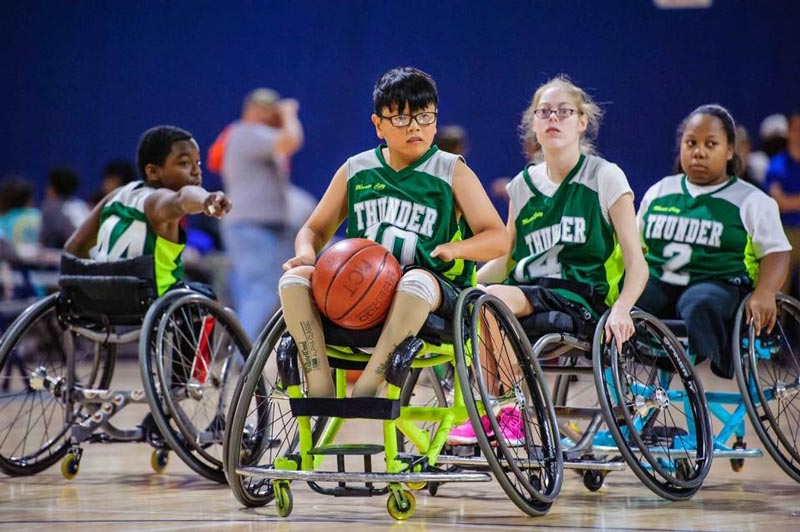
3) Modular Adaptive Wheelchairs
What changed: Tool-less adjustability, quick-release seating, and plug-and-play power-assist hubs.
Why inclusive organizations care: Lower maintenance, faster setup at events, and reduced costs.
4) Wearable Performance and Safety Sensors
What changed: Low-profile IMUs and pressure sensors designed for prosthetic limbs and wheelchairs.
Why investors care: Data opens doors for performance tracking and monetizable analytics.
5) Affordable Adaptive Training Rigs for Schools
What changed: Low-cost, durable kits following universal design principles.
Why educators care: Easier implementation of inclusive PE with measurable outcomes.
Side-by-Side: Comparing the Top Items from the 2025 Adaptive Sports Gear Drop
| Category | Example Product (2025) | Key Benefit | Typical Price Range (USD) | Best For |
|---|---|---|---|---|
| Carbon running blade | SprintBlade X | Higher energy return; modular soles | $2,500 – $7,500 | Elite & developing sprinters |
| Smart socket | FitSense Socket | Auto-adjust fit; pressure analytics | $1,500 – $6,000 | Clinicians, active amputees |
| Adaptive wheelchair | ModuRace Chair | Tool-less adjustability; add-on ecosystem | $3,000 – $12,000 | Wheelchair sports clubs |
| Wearable sensors | ParaTrack IMU | Telemetry for prosthetics & wheelchairs | $150 – $800 | Coaches, researchers |
| School kit | Adaptive PE Starter Pack | Low-cost inclusive equipment | $200 – $1,200 | Schools, community centers |
How the 2025 Adaptive Sports Gear Drop Impacts Stakeholders
Adaptive Athletes
Faster personalization, reduced downtime, and inclusive tools mean more opportunities for competition and recovery.
Coaches and Trainers
New coaching language emerged — “device calibration” and “data sessions.” Coaches leveraging adaptive sports gear 2025 can fine-tune training cycles with precision.
Sports Therapists & Rehabilitation Specialists
Better measurement tools allow evidence-based adjustments. AI and sensor data cut fitting times and clinic visits.
Assistive Technology Developers
Shared standards sped up innovation. APIs and data frameworks improved interoperability and product-market fit.
Inclusive Sports Organizations
Modular design reduced costs and improved event logistics. Platforms like Move United reported increased participation and program expansion.
Investors in Sports Tech
The drop revealed clear investable paths: platform-driven hardware, modular add-ons, and analytics services.
Policymakers & Educators
Proof-of-impact from adaptive PE pilots supported public funding and grant growth, demonstrating the real-world impact of adaptive sports gear 2025.
Technical Deep Dive: How the Tech Works
Smart Sockets — The Short Version
Imagine a sleeve that adjusts in real time. Sensors detect fit and comfort, while micro-actuators make small adjustments automatically. No more waiting for multiple refits — adaptive sports gear 2025 made instant feedback loops a reality.
AI-Assisted Calibration
AI trained on hundreds of fittings recommends optimal stiffness and alignment. Clinicians now start closer to ideal configurations.
Materials and Sustainability
2025 introduced recyclable composites and bio-based liners — extending product lifespan and supporting sustainability in adaptive sport.
Real-World Results: Early Performance & Rehab Outcomes
Clinic data and field trials in 2025 revealed faster recovery, better comfort, and stronger adherence in adaptive PE programs. These outcomes validated years of R&D in adaptive sports gear 2025, proving its measurable impact.
Case Studies — Real People, Real Gains
Case Study 1 — The Returning Sprinter
A para-sprinter improved stride symmetry and top-end speed using modular blades that allowed quick stiffness adjustments. Less discomfort, more progress.
Case Study 2 — School Program That Leveled-Up Inclusive PE
A district piloted Adaptive PE Starter Packs, increasing participation and engagement across inclusive classrooms — leading to full program adoption.
Case Study 3 — Rural Clinic and the Smart Socket
A rural clinic used smart sockets to remotely monitor athletes. Tele-rehab cut travel burdens and improved outcomes — an early success for adaptive sports gear 2025.
Measurement Matters: Metrics to Track
Coaches, therapists, and managers should monitor:
- Comfort scores
- Session adherence
- Time to stable fit
- Performance data (stride symmetry, peak power)
- Equipment downtime
Procurement Checklist for Inclusive Sports Organizations
Before purchase, check:
- Compatibility with current systems
- Demo and loaner options
- Local repair support
- Consumable costs
- Regulation compliance
- Data privacy standards
Training and Capacity Building
Upskill these groups for success with adaptive sports gear 2025:
- Coaches: interpreting data
- Therapists: using telemetry for rehab
- Fitters: faster, AI-driven fitting
- Educators: inclusive lesson design
Policy, Equity, and Access Considerations
Not Everyone Has Access — Yet
The 2025 revolution highlighted equity gaps. High-end prosthetics remain costly. Advocacy groups and events like REHACARE 2025 are pushing for better funding models and accessibility reforms.
Sustainability and Circular Design
Manufacturers are adopting repair and reuse programs, extending product life and supporting community-level inclusion.
FAQs — The 2025 Adaptive Sports Gear Drop
What Exactly Is It?
A collection of 2025 launches — blades, sockets, wheelchairs, sensors, and PE kits — that transformed adaptive sport tech.
Is It Compatible with Older Gear?
Most devices support backward compatibility, but check mechanical interfaces and protocols.
Where Can I Try It?
Adaptive expos, clinics, and universities often host demo days. Check Move United or REHACARE for events.
The Future Beyond Adaptive Sports Gear 2025
Expect deeper integration between gear and training software, cheaper 3D-printed components, and smarter rehab ecosystems connecting clinics and coaches. The momentum from adaptive sports gear 2025 is turning novelty into everyday inclusion.
7 Practical Next Steps for Your Program
- Host a demo day.
- Start a pilot project.
- Collect performance and comfort data.
- Apply for adaptive sports grants.
- Build local partnerships.
- Train your staff.
- Share your results publicly.
Resources & External Links (Do-Follow)
Here are credible resources for further exploration:
- Move United — Adaptive Equipment Resources
- ScienceDirect — AI technologies in adaptive sports
- REHACARE 2025 — Inclusive Sports Product Showcases
- Blatchford Mobility — Advanced Lower Limb Prosthetics
Read more about 5 Essential Smart Devices Every Adaptive Athlete Needs
Final Thoughts: A Gear Drop That Told a Bigger Story
The adaptive sports gear 2025 movement was never just about equipment. It represented a united commitment — across engineers, clinicians, athletes, and funders — to design for human variation and inclusion.
Technology drives progress, but people drive purpose. If you’re coaching, developing, treating, or shaping policy, pick one of the seven next steps and start today.
That’s why the inspiring story behind 2025’s hottest adaptive sports gear isn’t just about tech — it’s about reimagining inclusion for every athlete on every field.


