
Introduction: How AI Is Revolutionizing Adaptive Training Programs

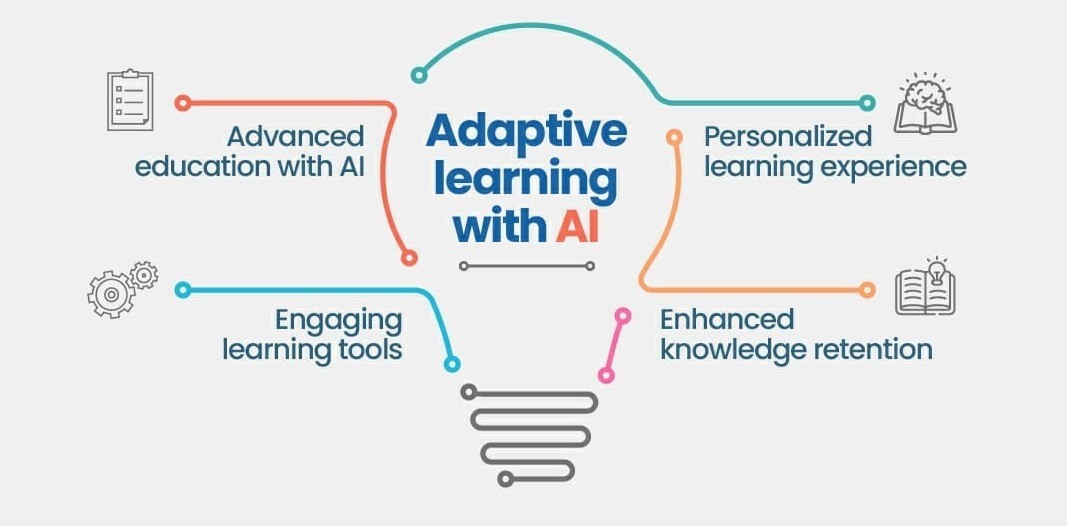
An expert guide for adaptive athletes, coaches, therapists, developers, organizations, educators, investors, and accessibility advocates.
Artificial Intelligence (AI) isn’t just reshaping mainstream athletics — it’s revolutionizing adaptive training programs for athletes with disabilities. Today’s AI adaptive training programs deliver powerful, personalized coaching, real-time analytics, and smarter rehabilitation for everyone involved in inclusive sports. Whether you’re an adaptive athlete chasing performance gains, a coach seeking better data, or a therapist focused on recovery outcomes, AI is unlocking tools once unimaginable.
In this comprehensive guide, we’ll explore how AI adaptive training programs are transforming the entire ecosystem — from exoskeleton control and injury prediction to virtual-reality rehab and inclusive education. You’ll also learn how policymakers and investors can foster ethical, data-driven growth in adaptive sports technology.
Quick fact: According to recent research, integrating AI adaptive training programs into inclusive sports can improve personalization, enhance safety, and reduce injury risk for athletes of all ability levels.
Table of Contents
- What Are AI Adaptive Training Programs?
- Benefits for Inclusive Sports
- Real-World Applications of AI Adaptive Training Programs
- Comparison Table: Traditional vs. AI Adaptive Training
- Evidence Snapshot & Research Insights
- Design Principles and Ethics
- Future Trends and Takeaways
Why the focus keyword matters: AI adaptive training programs
Search engines and people both look for clarity. When we say AI adaptive training programs, we mean systems or services that combine artificial intelligence (machine learning, deep learning, computer vision, predictive analytics, natural language interfaces, and robotic control) with adaptive sports and rehabilitation to personalize training, reduce injury risk, enable real-time feedback, and close accessibility gaps.
Quick TL;DR
- AI is powering personalized, data-driven adaptive training that adapts to an athlete’s abilities, environment, and rehab stage in real time. (Frontiers)
- Use cases include smart wearables, computer vision coaching, AI-driven prosthetic/exoskeleton control, virtual-reality rehab, and predictive injury analytics. (PMC)
- Benefits: faster recovery, fewer injuries, higher participation, scalable coaching, better assistive devices, and richer evidence for funders and policymakers. (PMC)
- Risks to manage: data privacy, algorithmic bias, equipment access/cost, and misapplication in clinical settings.
- Action steps: pilot small, measure outcomes, include athletes in design, partner with clinical teams, and use open standards for data.
What are AI adaptive training programs?
At their core, AI adaptive training programs use algorithms to analyze data from athletes (wearables, video, motion sensors, medical records) and then adapt training or rehabilitation instructions to the individual’s capabilities and goals. That adaptation can be immediate (real-time feedback during a run) or longitudinal (adjusting a 12-week rehab plan as strength improves).
Examples:
- A computer-vision app that gives an athlete with a limb difference immediate form corrections during a weight exercise.
- An AI model analyzing gait and adjusting exoskeleton assistance levels during rehabilitation sessions. (PMC)
- A recovery tool that recommends therapy intensity after detecting subtle signs of fatigue in wearable data. (Axios)
Why AI matters for inclusive sports and adaptive athletes
Personalization at scale
Adaptive athletes have a huge range of functional abilities. AI can learn from individual data and tailor movement cues, resistance, and progression — so each athlete gets a program that fits their body and their goals, not a one-size-fits-none plan. Studies and reviews show machine learning improving prediction, personalization, and monitoring in both performance and rehab contexts. (PMC)
Objective tracking and measurable outcomes
Therapists and coaches often rely on subjective assessments. AI turns sensors and videos into objective metrics: stride symmetry, torque curves, joint angles, compliance to prescribed exercises, and recovery trends — giving measurable progress for clinicians, funders, and athletes.
Real-time feedback and safer training
Real-time feedback reduces reps with bad technique (a common cause of injury). For adaptive athletes who may have unique movement patterns, AI systems trained on representative data can call out subtle deviations and suggest safe corrections.
Smarter assistive devices
AI enables prosthetics and exoskeletons to adapt continuously — offering better speed and stability on different terrains and during sport-specific movements. Research in exoskeleton control and adaptive prosthetics is accelerating. (PMC)
Real-world AI use cases in adaptive training programs
Below are some practical, near-term applications you can implement or pilot.
Computer vision coaching apps
- Use regular cameras to analyze posture and movement during training drills.
- Provide live verbal or visual cues tailored to an athlete’s prosthetic configuration or mobility aids.
- Benefits: low cost (no sensors), accessible, scalable to group sessions.
Wearables + predictive analytics
- Combine heart rate variability, load metrics, and movement data to predict fatigue or injury risk.
- Recommendations can automatically lower intensity or suggest recovery modalities.
Smart prosthetics and exoskeletons
- AI-driven control strategies adjust assistance based on gait phase, terrain, and user intent.
- Clinical and lab reviews show meaningful gains in gait recovery and neuroplasticity with AI-enabled robotic rehab. (PMC)
Virtual reality (VR) rehabilitation
- Gamified therapeutic exercises that adapt difficulty using AI to keep an athlete in an optimal challenge zone.
- Meta-analyses show VR can improve rehab outcomes in some contexts — particularly when combined with targeted progression algorithms. (jpmsonline.com)
Remote therapy platforms with AI triage
- Platforms that analyze exercise videos sent by athletes and flag non-compliance or risky movement patterns for clinician review.
- Scales therapy access to remote or under-resourced areas.
Benefits vs. Traditional adaptive training — a comparison table
(This table compares typical outcomes and practical trade-offs between traditional adaptive training and AI-enabled adaptive training programs.)
| Dimension | Traditional Adaptive Training | AI Adaptive Training Programs |
|---|---|---|
| Personalization | Manual, coach-driven, limited by time | Data-driven, continuous, scales across many athletes |
| Objectivity | Largely subjective; relies on coach/therapist notes | Objective metrics from sensors, video, and models |
| Real-time feedback | Limited during sessions | Immediate, automated corrections and cues |
| Scalability | Coach-to-athlete ratio limits reach | One platform can support many athletes remotely |
| Rehabilitation outcomes | Dependent on therapist frequency & expertise | Potential for faster iteration and tailored progression (evidence growing). (Frontiers) |
| Cost | Low-tech but high time cost | Device/infrastructure cost — offset by efficiency and outcomes |
| Privacy & ethics | Simpler data footprint | Requires strong data governance & consent frameworks |
| Accessibility | Depends on local services | Can extend access via tele-rehab and apps |
| Evidence base | Strong clinical tradition | Rapidly growing literature; systematic reviews show promise but recommend cautious validation. (PMC) |
Evidence snapshot — what the research says
AI in sports science and rehabilitation is not just buzz — it’s being tested and validated in labs and clinics. Recent narrative and systematic reviews show strong promise for AI in:
- Injury prediction and prevention — models that flag overuse and fatigue trends. (PMC)
- Personalized rehabilitation — algorithms that help match exercise intensity to recovery stage, improving adherence and outcomes. (Frontiers)
- Robotic-assisted rehabilitation — exoskeletons and robotic devices controlled by AI proving useful in gait rehabilitation and neuroplastic gains. (PMC)
That said, high-quality randomized trials remain fewer than we’d like. The reviews call for more rigorous, multisite studies with diverse participant pools (including adaptive athletes) to ensure models generalize and don’t bias against underrepresented functional profiles. (PMC)
Design principles — building ethical, effective AI adaptive training programs
If you’re building or choosing a system, aim for these principles:
- Athlete-centered design: involve adaptive athletes in ideation and testing. Their lived experience must inform model goals and data collection.
- Representative datasets: train algorithms on data from people with different impairments, assistive devices, body sizes, and movement patterns to reduce bias.
- Clinical validation: partner with therapists and rehab researchers to validate outcomes, not just engagement metrics. (Frontiers)
- Privacy-first architecture: follow consented data collection, de-identification, and secure storage best practices.
- Explainability: provide clear reasons for recommendations so coaches and clinicians can trust and override them if needed.
- Accessibility & affordability: use low-cost sensors or mobile-first apps where possible and provide offline modes for low-bandwidth environments.
- Iterative deployment: pilot small, measure outcomes (physical progress, adherence, injury rates), then scale.
Practical tools and vendors
There’s a growing ecosystem of tools. When evaluating vendors or platforms, ask:
- Does the system support video-based analysis or require proprietary wearables?
- Is the model validated on populations similar to your athletes?
- Can clinicians export reports or integrate data with electronic health records?
- What are the data-sharing and consent policies?
- Does the vendor update models and support offline use?
Examples of domains where products exist: recovery coaching (Therabody’s AI Coach), exoskeleton control platforms, VR rehab suites, and computer-vision coaching apps. You can read about one productization of AI in recovery tech in industry coverage. (Axios)
(When piloting, prefer systems that allow clinician oversight and exportable metrics for research or funder reporting.)
Risks and ethical considerations
AI introduces benefits — and specific risks:
- Data privacy: athlete health and performance data are sensitive. Ensure compliant consent, encryption, and policies for secondary use.
- Algorithmic bias: models trained on non-representative datasets can misinterpret adaptive movement patterns, leading to incorrect feedback or exclusion. Address by diverse data and fairness testing. (PMC)
- Overreliance on automation: AI should augment, not replace, clinician judgment. Training staff in interpreting AI outputs is essential.
- Access inequality: expensive devices could widen disparities. Organizations should plan for subsidized access or lower-cost alternatives.
- Regulatory compliance: medical / rehab claims may trigger regulation in some jurisdictions; be careful with marketing claims and clinical use-cases.
Step-by-step roadmap to pilot an AI adaptive training program
- Define measurable goals — e.g., reduce re-injury within 6 months by X%, or increase participation minutes/week.
- Assemble a cross-functional team — athletes, coach, therapist, data scientist, and a legal/privacy advisor.
- Select low-risk entry points — start with non-invasive modalities (computer vision, mobile apps), then progress to wearables and robotics.
- Design consent and data governance — clear opt-in, purpose-limited use, anonymization where possible.
- Pilot with diverse athletes — recruit participants representing the range of abilities you serve.
- Collect mixed metrics — clinical outcomes, athlete-reported outcomes, engagement, and safety incidents.
- Iterate and validate — refine models and program flow based on data and athlete feedback.
- Plan scale and accessibility — consider subsidies, community partnerships, and educator training.
Examples of high-impact collaborations
- Clinic + university + tech partner: clinicians define clinical endpoints; university researchers validate, and tech partner builds the product. This multidisciplinary setup boosts credibility. (Frontiers)
- Adaptive sports org + device maker: organizations can co-design prosthetic or exoskeleton features for sport-specific maneuvers rather than only daily living.
- Educators + developers: embed AI tools in adaptive physical education so early-career PE teachers use them to scale inclusion.
Funding, investment, and policy — why investors and policymakers should care
Market and social impact
Adaptive sports and rehab AI touch both a growing commercial market and critical public-health goals: improving mobility, decreasing long-term care costs, and increasing social inclusion.
What investors look for
- Clear clinical validation and regulatory pathway.
- Demonstrable ROI (e.g., reduced rehospitalization, faster return-to-play).
- Scalable tech with low marginal cost to onboard more athletes.
What policymakers can enable
- Fund pilots in public-run rehab centers and schools.
- Create procurement standards favoring accessible, evidence-backed AI tools.
- Support open datasets (anonymized, consented) for training fairer models.
Practical tips for coaches, therapists and trainers
- Use AI as a second pair of eyes — validate its feedback before changing long-term plans.
- Encourage athletes to be active participants in data-sharing decisions; co-design fosters trust.
- Log contextual notes when using AI feedback (e.g., “athlete had new socket fit today”) — context helps model retraining.
- Don’t ignore low-tech signals. Combine subjective athlete reports with AI metrics.
Policy and advocacy — accessibility advocates, educators, and inclusive organizations
- Advocate for funding that prioritizes accessibility (not just cutting-edge devices for elite athletes).
- Push for standards requiring inclusive datasets and accessible UIs (voice, tactile, and simplified text).
- Build partnerships between public schools and tech providers to pilot AI tools in adaptive PE.
A short checklist before you deploy an AI solution
- Athlete consent and opt-in?
- Clinician oversight in place?
- Representative pilot sample?
- Data governance plan?
- Clear success metrics?
- Contingency plan for device failure?
The future — what’s coming next for AI adaptive training programs?
Expect advances across several interlocking trends:
- Better real-world models: training on diverse, multimodal datasets (video + sensors + clinical notes) will improve generalization. (Frontiers)
- Tighter human-device loops: prosthetics and exoskeletons will adapt faster to user intent and environment. (PMC)
- Edge AI and offline modes: more on-device intelligence so users can train with low-latency feedback even without constant cloud access.
- Policy catch-up: regulation and reimbursement models that acknowledge AI-assisted rehab and training as reimbursable services.
- Democratized tools: low-cost, mobile-first apps bringing some AI benefits to community programs and schools.
Resources and further reading
- Review of AI methodologies for exoskeleton-assisted rehabilitation. (PMC)
- Frontiers: Artificial intelligence in personalized rehabilitation — recent perspectives. (Frontiers)
- Narrative reviews on AI in sports science and injury prediction. (PMC)
- Industry piece on AI-powered recovery coaching (example of productization). (Axios)
(If you want, I can compile these into a one-page resource PDF for your team.)
Conclusion — what to do next
Adaptive athletes: Try an AI coaching app or remote-rehab pilot but always keep your therapist/coach in the loop. Share feedback with developers.
Coaches & trainers: Pilot a single AI tool with clear metrics. Use it to amplify your reach—don’t replace your judgment.
Sports therapists & rehab specialists: Partner on validation studies; AI tools that produce reliable objective metrics will strengthen your clinical decisions.
Assistive-tech developers: Prioritize representative data collection and clinician partnerships.
Inclusive sports organizations: Fund low-cost pilots in community settings, and require accessibility in procurement.
Investors in sports tech: Look for teams with clinical validation and pathways to reimbursement.
Policymakers & educators: Fund evidence-building pilots in public schools and clinics. Support open-data initiatives under strong privacy protections.
Accessibility advocates: Push for fair datasets, transparent algorithms, and affordable access.
Final thought
AI won’t replace the compassion of a therapist, the eye of a veteran coach, or the lived expertise of adaptive athletes. What AI does offer is a chance to scale personalization, close accessibility gaps, and make training safer and more measurable. Done right — with athletes at the center, clinicians guiding validation, and a strong ethics-first approach — AI adaptive training programs can genuinely transform inclusive sport and rehabilitation.


