Introduction

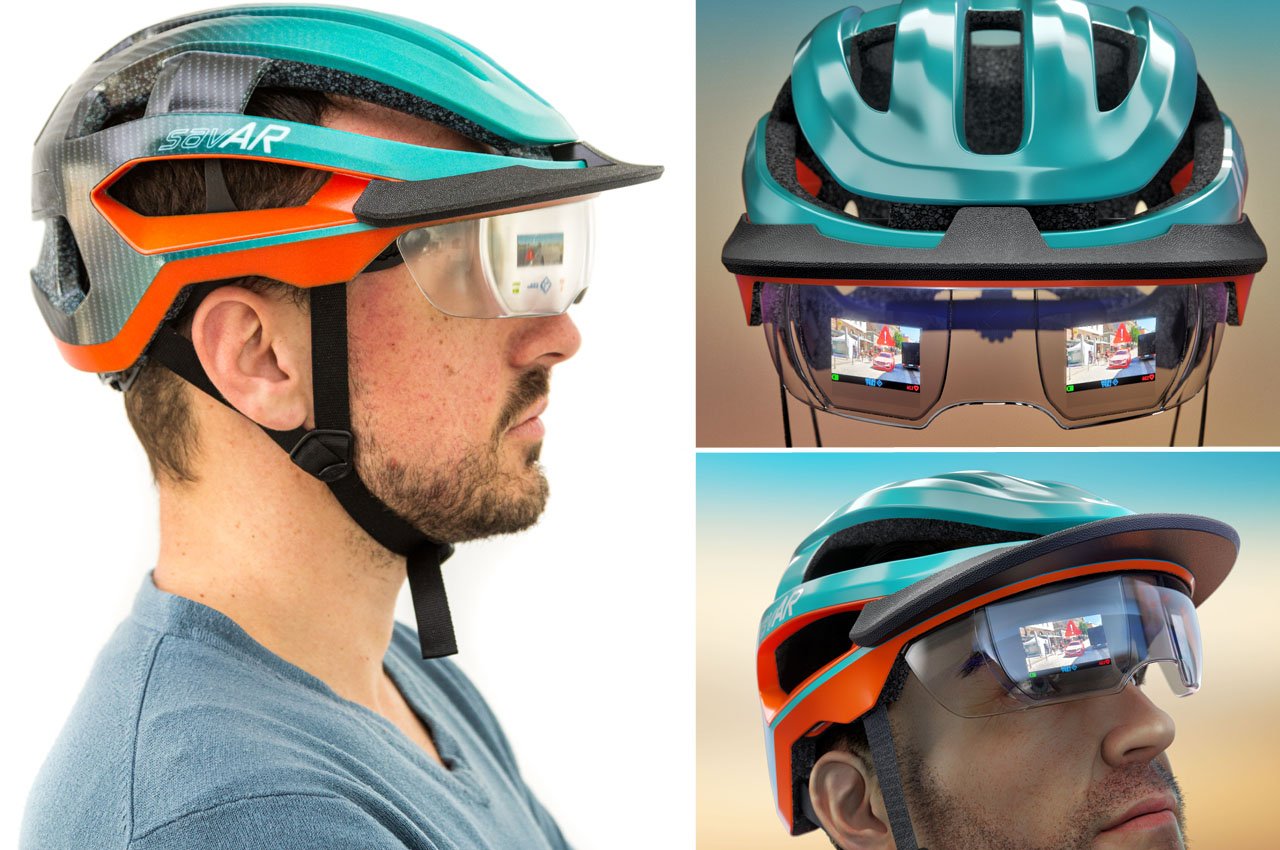
Every few years wearables change what athletes and teams can measure. But few technologies promise as much immediate impact — on safety, rehabilitation, performance, and inclusion — as breakthrough smart helmets. For adaptive athletes, coaches, therapists, assistive-technology developers, inclusive-sports organizations and policy makers, these helmets are more than gadgets: they are tools that collect objective head-health data, enable safer training, and open new pathways to inclusive competition.
In this long-form, conversational guide I’ll walk you through what breakthrough smart helmets do, which systems are leading the field, how they matter for adaptive sport and rehabilitation, and practical steps to adopt them responsibly. Wherever possible I cite recent research and products so you’ve got credible places to check next.
What are “Breakthrough Smart Helmets”?
At their simplest, smart helmets are traditional protective helmets integrated with sensors, connectivity and analytics. The breakthrough part comes when those additions are designed, validated, and deployed to deliver:
- Real-time impact monitoring (accelerometers/gyroscopes) to flag potentially injurious hits.
- Physiological sensing (heart rate, orientation, sometimes EEG proxies) for holistic monitoring.
- Connectivity & analytics so coaches, medical staff and athletes can see trends and get alerts.
- Usability for inclusive settings — low weight, customizable fit, accessible interfaces and support for different modalities of sport or adaptive equipment. MDPI+1
These systems range from embedded helmet arrays used in contact team sports to compact attachable devices and smart liners optimized for cycling, skiing, or para-sports. Recent commercial and academic work has pushed sensors into textiles, improved algorithmic detection, and begun to integrate data into athlete workflows. ID Tech+1
Why breakthrough smart helmets matter for adaptive athletes, clinicians and trainers
Why Breakthrough Smart Helmets Matter for Adaptive Athletes and Inclusive Teams
Adaptive athletes and inclusive programs face unique safety and performance challenges. Some key reasons these helmets are relevant:
- Objective, individualized safety signals. For athletes with atypical movement patterns, subjective sideline judgment can miss a dangerous hit. Smart helmets provide objective kinematic thresholds and event logging. NICHD
- Better return-to-play decisions for people with complex needs. Combining impact logs with clinical assessments supports safer, evidence-based return-to-play pathways in rehabilitation settings. JMIR mHealth and uHealth
- Data to inform equipment choices and fit. Smart-helmet analytics reveal how different seating, prosthetics, or adaptive frames change head kinematics during practice. That can guide custom liners, padding, or neuro-protective design. MDPI
- Accessibility and inclusion. Designers are increasingly focusing on lower weight, modular sensors, vocal or haptic alerts, and integration with wheelchairs or adaptive headgear, making it practical for a broader range of athletes. Frontiers
The state of the field — who’s building breakthrough smart helmets?
Below are several types of players and examples leading the space. This is not exhaustive, but it highlights established systems, newer entrants and research advances.
- Established sport-helmet providers adding sensors: Riddell’s InSite / Axiom systems integrate impact telemetry and analytics into football helmets used at multiple levels. These systems are focused on head-impact monitoring and real-time reporting for teams and medical staff. riddell.com+1
- Specialized sensor systems and telemetry platforms: Simbex (and HITS-like systems) historically developed head impact telemetry and exposure metrics used in research and applied monitoring. These platforms pioneered objective impact measurement in team sports. NICHD
- New compact smart-head devices: Companies such as Bio Sensing Technologies have recently launched compact devices (e.g., “Smart HEAD System”) that can be integrated into helmets or headbands to provide biometric and impact monitoring with smaller form factors that suit multiple sports and adaptive contexts. ID Tech
- Research & open-source tech: Universities and research labs are publishing smart textile sensors, e-helmet designs and validation studies (MDPI, peer-reviewed papers) that push sensing into comfortable, flexible linings suited for adaptive use. MDPI+1
If you’d like to dive deeper into a product family, start with manufacturer pages (for example Riddell’s InSite/Axiom) and peer-reviewed reviews of multimodal helmet sensors. content.riddell.com+1
A practical comparison: breakthrough smart helmets and systems
Below is a practical, at-a-glance comparison of representative systems and categories. Prices and availability vary widely by region and institution; “Adaptive-friendly” reflects factors like modular sensors, reduced weight options, and accessibility features.
| System/Product (category) | Main sensors & features | Real-time alerts? | Adaptive-friendly? | Typical use cases | Sources |
|---|---|---|---|---|---|
| Riddell Axiom + InSite (embedded helmet) | Multiple accelerometers/gyros, team analytics dashboard | Yes — InSite transmits and reports impact data | Medium — designed for football; fit options but heavier shell | High school/college/pro teams, organized leagues | content.riddell.com+1 |
| Simbex / HITS-style telemetry (platform) | Head impact telemetry; HIE metrics | Yes — used in research & applied monitoring | Low–Medium — platform-focused; sensors added to helmets | Research, lab validation, program monitoring | NICHD |
| Bio Sensing Smart HEAD (compact module) | Biometric sensors + impact sensing; modular implantable device | Yes — designed for real-time head health monitoring | High — small form factor fits inside helmets/headbands | Adaptive sports, clinics, multi-sport monitoring | ID Tech |
| E-textile / MDPI research systems (emerging) | Smart textiles / pressure sensors, accelerometers | Varies — prototypes with data logging & algorithms | Very High — designed for flexible, comfortable fit across contexts | Rehabilitation, research, prototype adaptive gear | MDPI+1 |
Notes: The table groups representative examples; product capabilities evolve quickly. For program adoption, prioritize validated sensors, clear data pipelines and accessible user interfaces.
Breakthrough Smart Helmets — clinical evidence and limitations
Smart helmets can provide valuable objective data, but they are not a stand-alone diagnostic for concussion or brain injury. Here’s what the evidence and expert reviews tell us:
- Sensors measure kinematics, not brain pathology. Accelerometers and gyroscopes capture linear and rotational accelerations — important proxies for injurious forces — but they do not measure biochemical or imaging markers of brain injury. Clinical judgment and follow-up remain essential. MDPI
- Algorithms are improving but need context. Research into multimodal sensing (impact plus physiological signals) and machine-learning algorithms shows promise in reducing false positives and improving event classification, but validation across diverse populations (including adaptive athletes) is ongoing. JMIR mHealth and uHealth+1
- Field validation matters. Many research prototypes show excellent bench-top performance, but field tests (real practices and games, across varied equipment and player profiles) reveal issues like sensor placement, attachment loss, or confounding movements. Always look for products with peer-reviewed field validation or transparent validation data. MDPI+1
In short: smart helmets expand your data toolbox — but they must be integrated into a rounded safety and clinical pathway, not treated as a single oracle.
How adaptive-sports teams, therapists and trainers can use breakthrough smart helmets
Here are practical ways to integrate smart-helmet tech into programs and clinical practice.
1 — Screening & baseline data
Collect baseline head-impact exposure and physiological baselines during non-contact training. For adaptive athletes, baseline data helps interpret impact logs in the context of their typical movement patterns and assistive devices.
2 — Real-time sideline alerts
Use real-time alerts to flag potentially injurious events during practice or games so trainers can perform immediate evaluations. Ensure alert thresholds are customizable for the individual athlete.
3 — Longitudinal monitoring for rehabilitation
Track cumulative exposure over weeks and months to inform progressive return-to-play or return-to-learn plans. Combine helmet data with clinical assessments (neurocognitive testing, balance, symptom scales).
4 — Equipment & fit optimization
Use impact-mapping data to see how different seating positions, headrests, or prosthetic alignments affect head kinematics. That data can guide custom padding or restraint adjustments.
5 — Research and advocacy
Programs can contribute anonymized data to research partnerships to improve algorithms for diverse bodies and movement patterns. This is especially important because much current validation is based on able-bodied athletes. JMIR mHealth and uHealth
Implementation checklist — adopting breakthrough smart helmets responsibly
Use this checklist before purchasing or deploying devices in an adaptive or clinical setting.
- Clinical integration plan: Who evaluates alerts? Who documents assessments in the medical record?
- Validation evidence: Ask for peer-reviewed validation or field study data. If none exists, run a local pilot. MDPI
- Data governance: Clarify data ownership, storage, anonymization, and consent. Legal requirements vary by region and institution.
- Customization & accessibility: Confirm the helmet or module fits adaptive frames, headrests, or seatbacks commonly used by your athletes. Look for modular or textile-based sensor options if comfort is a priority. MDPI+1
- Training & SOPs: Train coaches, trainers, and volunteers on what alerts mean and the immediate steps to take. Create simple SOPs.
- Cost & maintenance plan: Evaluate device uptime, battery life, replacement sensors, and platform subscription costs.
- Ethics & equity: Ensure equitable access for adaptive athletes — consider pooled purchasing, grants, or pilot partnerships with research groups.
Breakthrough Smart Helmets — design features that matter for inclusion
If you’re an assistive-technology developer or product manager, here’s what inclusive programs repeatedly ask for:
- Lightweight, low-bulk sensors that can be embedded in linings or fitted into headbands.
- Customizable fit systems (modular padding / adaptive liner shapes) to accommodate helmets worn with hearing aids, cranial differences, or headrests.
- Multimodal sensors that combine kinematics with simple physiological signals (heart rate, temperature) to broaden context. MDPI+1
- Multiple interface options — visual dashboards, secure coach apps, haptic or auditory alerts for athletes with visual impairments, and accessible reports for clinicians.
- Clear documentation & open API so researchers and clinicians can integrate data with EMRs or performance systems.
- Transparent validation across populations — published data on how sensors perform with prosthetics, wheelchairs, or non-standard helmets.
Case studies: real-world examples
Riddell InSite / Axiom — team-sport monitoring
Riddell’s InSite technology (embedded in Axiom helmets) transmits impact data and analytics to coaching and medical staff, and is widely used in organized football programs to monitor head impacts in real time. This sort of system is a good example of platform-level integration for teams that can support on-site medical decision-making. riddell.com+1
Compact modules for adaptive contexts — Bio Sensing Smart HEAD
Newer compact modules (announced in 2025) are designed to be small enough to fit inside helmets or headbands, making them attractive for adaptive-sports settings where adding bulk or weight is problematic. These devices typically combine impact sensing and basic biometric monitoring. ID Tech
What investors, policy makers and organizations should watch
If you’re investing in sports tech or shaping policy to improve athlete safety, here are key priorities:
- Validation-first products: Fund or support companies that publish field validation data across diverse athletes, not just lab prototypes. MDPI
- Interoperability & standards: Support open data standards so different helmets and platforms can share exposure data across leagues and clinics.
- Accessibility funding: Create grants for adaptive programs to pilot smart-helmet tech — inclusion often suffers because of cost barriers.
- Regulatory clarity: Work with sports medicine bodies and regulators to define how sensor data should be used in medical decision-making. Recent reviews emphasize the potential but also call for caution and structured integration. Frontiers
Common myths and the honest truth about breakthrough smart helmets
Myth: Smart helmets can detect every concussion.
Truth: They measure forces and provide context, but concussions are clinical diagnoses that require symptom evaluation and sometimes imaging. Smart helmets reduce uncertainty — they don’t replace clinical assessment. MDPI
Myth: If data shows a hit below a threshold, the athlete is safe.
Truth: Low-force hits can still contribute to cumulative exposure; context matters. Use cumulative exposure metrics and clinical markers. NICHD
Myth: Smart helmets are one-size-fits-all.
Truth: The best outcomes come from devices and thresholds adapted to the athlete’s sport, body, equipment, and health history. Prioritize customizable systems.
Quick start guide — pilot plan for an adaptive sports program
If you want to pilot breakthrough smart helmets this season, here’s a minimal, practical plan:
- Define outcomes: e.g., reduce missed or delayed head-injury recognition; measure cumulative exposure during practice.
- Choose a device with published validation and an accessible support channel. MDPI+1
- Run a 4–6 week pilot with 5–10 athletes representing the diversity in your program. Include wear trials with any adaptive equipment.
- Train staff on alert protocols and consent/data governance.
- Analyze results: Look at event counts, false positives, user comfort, and any fit issues. Use findings to refine SOPs.
- Scale thoughtfully: If results are positive, expand with funding plans and stakeholder buy-in.
Resources & further reading
- Riddell — InSite / Axiom product pages (manufacturer info on helmet-integrated impact telemetry). riddell.com+1
- Review: Trends in smart helmets with multimodal sensing (JMIR mHealth review of technological trends). JMIR mHealth and uHealth
- Recent article on smart technologies and concussion in sport (Frontiers, 2025) — discusses sensor-embedded helmets, airbag systems, and the evolving evidence base. Frontiers
- MDPI Sensors special on smart textile impact sensors — useful if you’re exploring soft-lining or adaptive-fit solutions. MDPI
(Those links are good starting points to explore product specs and peer-reviewed evidence further.)
Final thoughts — how breakthrough smart helmets can make sports safer and more inclusive
Breakthrough smart helmets are not a silver bullet. They’re not a substitute for clinical care, experienced trainers, or thoughtful program design. But when designed and deployed with validation, accessibility, and ethical data practices, they can be a transformative tool — especially for adaptive athletes who’ve historically been under-represented in safety research.
If you’re a coach, therapist, or program leader: start small, insist on validation, and center athlete comfort and consent. If you’re a developer or investor: prioritize inclusive design and open standards so the benefits reach teams and athletes who most need them. And if you’re a policymaker or educator: consider funding pilots and building interoperable frameworks so data improves practice, not just dashboards.
Smart helmets are a bridge: between subjective judgement and objective data, between performance and safety, and — crucially — between elite tech and inclusive sport. With careful adoption, they can help ensure that more athletes enjoy sport longer and healthier.
Actionable next steps
If you want to move forward this month: (1) pick 1–2 helmet systems (one team-grade and one compact/modular) and request validation data; (2) draft a 6-week pilot with consent and data governance sections; (3) secure budget for a small pilot (or approach a manufacturer for a trial); (4) train staff on simple SOPs for alerts and clinical follow-up. That sequence will give you real evidence to decide whether to scale.
A quick note on sources and credibility
This post draws on manufacturer material (e.g., Riddell’s InSite/Axiom pages), recent commercial announcements (compact head-monitor modules in 2024–2025) and peer-reviewed reviews on helmet sensing and multimodal monitoring. I linked representative resources above so you can dig into validation studies, technical specs, and product demos. ID Tech+4riddell.com+4content.riddell.com+4


