Introduction


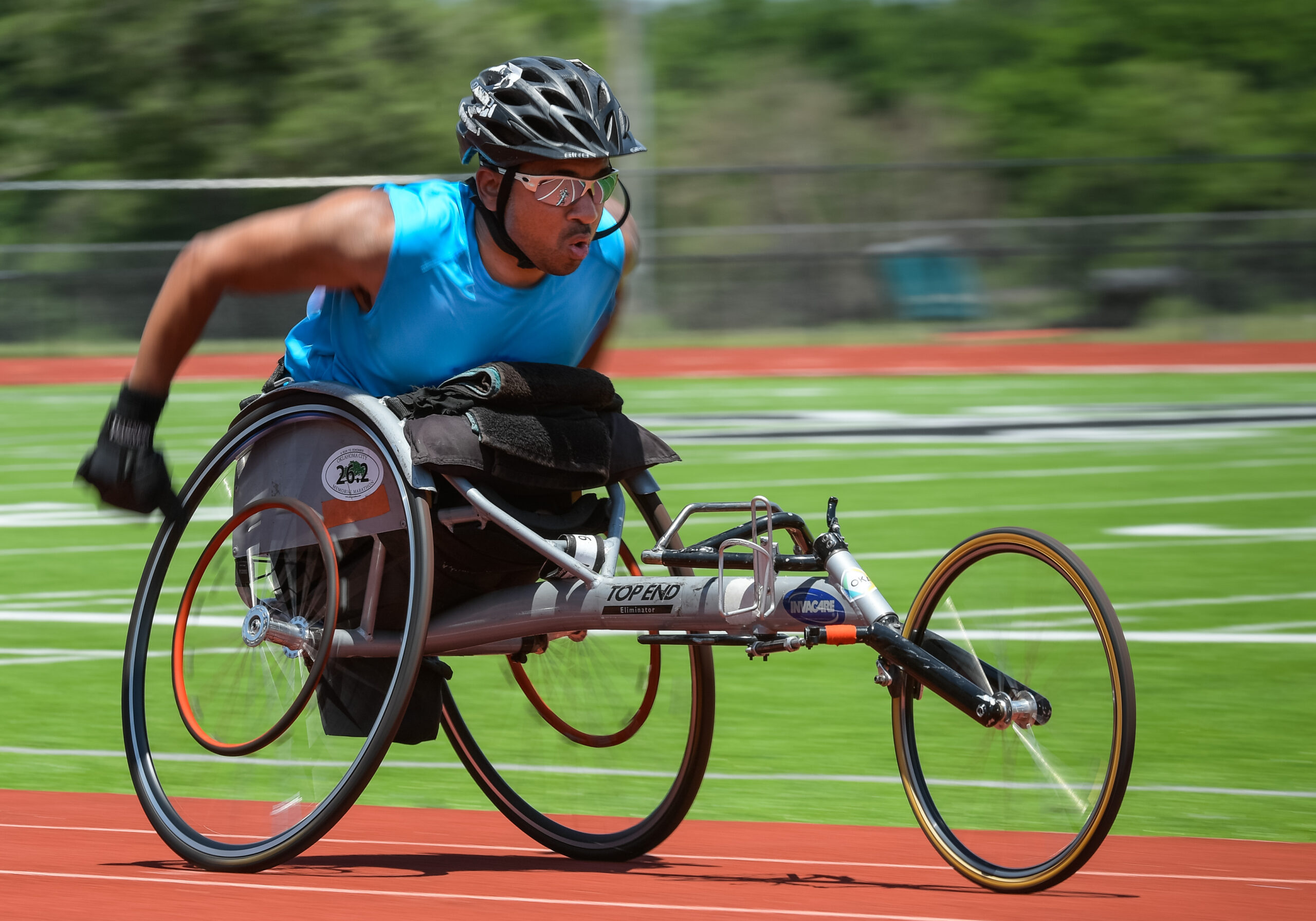
If you’re an athlete navigating the world of adaptive sports, whether you’re using a wheelchair, prosthetic limbs, or simply adjusting standard equipment to fit your body and abilities, the right smart gear can make a huge difference. In this post we’ll dive into five essential smart devices every adaptive athlete should consider—ones that improve performance, increase autonomy, and enhance inclusion.
Adaptive sports technology is evolving rapidly: according to recent research, wearable sensors and other assistive tech are enabling better performance, training optimisation and injury prevention for athletes with disabilities. MDPI+2ResearchGate+2 And there’s more: these technologies help break down barriers in sport, enabling athletes of all abilities to compete and train more effectively. letsenvision.com+1
In this guide, our focus keyword is “adaptive athlete smart devices”, and each of our H2 headings will include it to help with SEO. We’ll also include comparisons, case-studies, and practical tips to help you choose what fits best. After you read this, you should feel more confident selecting smart gear tailored for your adaptive sporting journey.
Adaptive Athlete Smart Devices – What to Look For
Before jumping into device recommendations, let’s explore the features that set smart devices apart when it comes to adaptive athletes. Not all gear is created equal, and devices optimised for accessibility, functionality, and data-feedback can truly elevate the experience.
Key features and criteria
Accessibility & Customisation: Devices should allow for personal adjustments (e.g., strap lengths, sensor placement, interface options) because adaptive athletes often need gear adapted to specific physical needs. For instance, a review of wearable sensors for athletes with disability found that one of their primary functions was equipment customisation. MDPI
Real-time feedback / monitoring: Smart devices often include sensors (accelerometers, EMG, inertial measurement units) that track movement, forces, physiological markers (heart rate, respiration) etc., enabling athletes and coaches to optimise training and monitor performance. ResearchGate+1
Durability & fit for sport: Adaptive athletes often push equipment under demanding conditions (wheelchair racing, prosthetic running, hand-cycling etc). Devices must cope with the physical demands and environments (outdoors, wet surfaces, high forces).
Data usability: The value of the device lies not just in collection but in actionable insights—what does the athlete do with the data? How is it integrated into training, recovery, or equipment tuning?
Independence: One of the goals for adaptive athletes is autonomy—smart devices should enhance self-management (training, tracking, recovery) rather than dependency.
Inclusive design: The device must recognise the diversity of bodies and abilities. According to inclusion-oriented research, adaptive sports programs that include accessible technology foster better outcomes like emotional resilience and social inclusion. bmcpsychology.biomedcentral.com+1
Why this matters for adaptive athletes
When you are training or competing with an adaptive advantage (prosthetic, wheelchair, handcycle, etc), the margin for improvement often lies in optimising every variable: technique adaptation, equipment customisation, data-driven feedback. Smart devices unlock those variables. For example: a case study found that inertial sensors helped customise wheelchair glove design by measuring wrist extension angles and athlete preference. arXiv
Device #1 – Smart Wearable Sensor Systems for Movement & Biomechanics
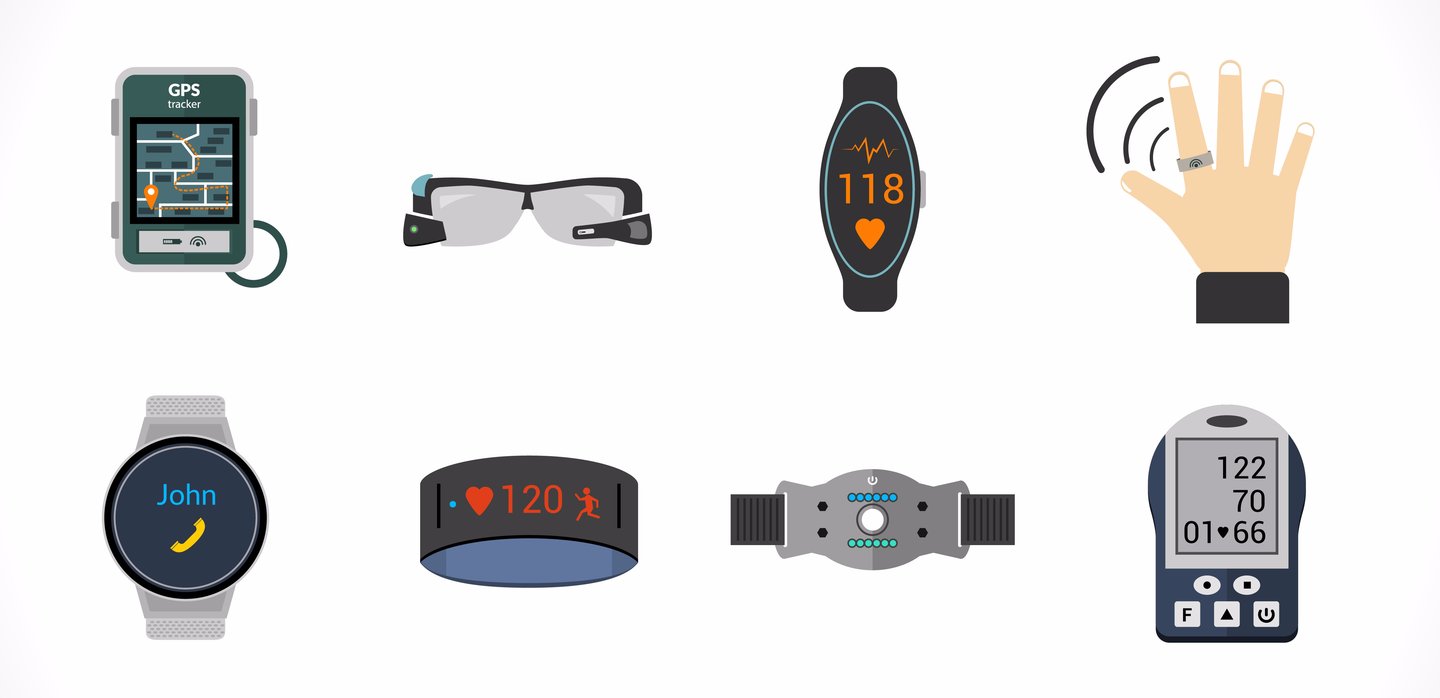
One of the foundational adaptive athlete smart devices is the wearable sensor system—those that monitor movement, forces, muscle activation, and physiologic metrics in real-time.
Why it’s essential
These sensors can track inertial data (accelerations, rotations) and physiological data (heart rate, respiration, muscle activation) to tailor training. For athletes with disability, such data help identify compensatory motions, asymmetries, or opportunities for technique improvement.
According to a systematic review: wearable sensors in sport for athletes with disability have been applied to athlete classification, injury prevention, performance characterisation and equipment customisation. MDPI
They empower athletes and coaches to make objective decisions rather than relying solely on observation or subjective feel.
How to choose & use
Choose sensors that are comfortable, robust, and can be placed in relevant locations for your sport (wrist, glove-interface, wheelchair wheel, prosthetic limb).
Ensure the system provides clear metrics relevant to your goals (e.g., propulsion cadence for a wheelchair athlete, stride symmetry for a running prosthetic user).
Use the data to adjust training loads, monitor fatigue, detect early signs of overuse injuries, and equipment setup (seat height, tire pressure, limb alignment).
While expensive motion-capture labs exist, many wearable systems now allow field-friendly setups. A 2025 study pointed out that affordability and usability are key enablers of adoption beyond elite use. MDPI
Example comparison table
| Feature | Why it matters for adaptive athletes | Typical specification to look for |
|---|---|---|
| Inertial sensor (IMU) | Measures acceleration/rotation of limbs/wheels | 9-axis IMU, sampling ≥100 Hz |
| EMG sensor | Tracks muscle activation (for prosthetic or wheel) | Wireless, latency <50ms, compatible app |
| Data platform & app | Translates raw data into actionable metrics | Exportable reports, coach-friendly dashboard |
| Mounting/accessibility | Sensors should adapt to prosthetic or wheelchair | Adjustable straps, lightweight, waterproof |
Device #2 – Smart Prosthetic or Mobility Assist Devices with Embedded Tech

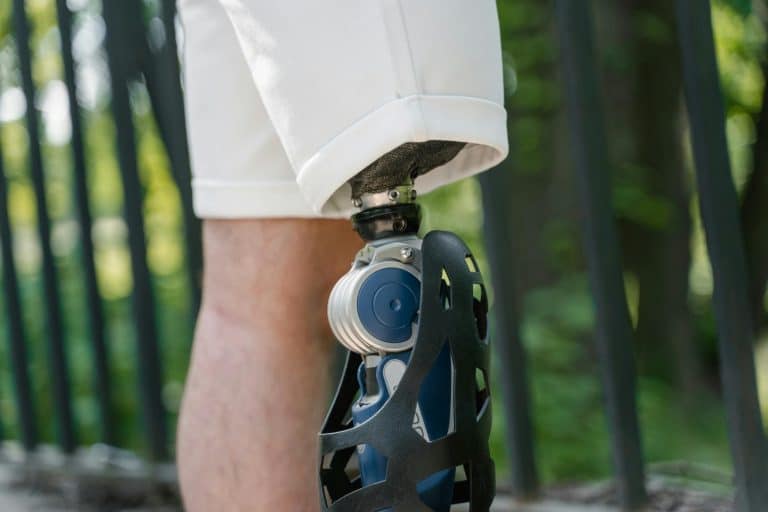
For adaptive athletes who use prosthetics, exoskeletons or mobility adaptive athlete smart devices, the next game-changer is smart mobility tech—prosthetic limbs or assist suits equipped with sensors, actuators, or machine-learning responsiveness.
What this covers
Running-specific prostheses (RSPs) built from carbon fibre or titanium that return energy and are optimised for speed and endurance. MDPI+1
Smart wheelchairs or mobility assist devices that adjust to terrain, provide power assist or change centre-of-gravity automatically.
Exoskeleton or hybrid assist devices often used in rehabilitation but increasingly in training for adaptive athletes.
Why it matters
The right mobility device can be the difference between participation and full performance. For example, adaptive tech not only improves performance but also supports inclusion and participation. ResearchGate
Smart mobility devices can self-tune based on sensors (e.g., detect slope; adjust power assist; adapt during turn) enhancing agility and reducing fatigue.
They enhance independence: less reliance on others for adjustments or assistance means athletes can train, compete and recover on their own terms.
Practical considerations
Sports-specific fit-out: If you’re a racer, your prosthetic or wheelchair should be built for speed and minimised weight; for team sports, perhaps for manoeuvrability and durability.
Smart features: Look for embedded sensors/actuators that can respond in real time (e.g., change stiffness, adjust orientation, provide feedback).
Maintenance & cost: These devices often cost more, the smart features may require firmware updates or specialised servicing. Consider local servicing in your region (important in places like Nigeria or Africa more broadly).
Data integration: Smart mobility devices ideally integrate with training software to track your usage, performance and adapt.
Case study snippet
A recent review highlighted that running-specific prostheses reduce energy expenditure compared to typical prosthetic feet — in other words, they enable adaptive athletes to push farther or faster with less wasted energy. MDPI
Device #3 – Smart Wearables for Monitoring Recovery, Health & Autonomy


Beyond performance during training and competition, the adaptive athlete smart devices ecosystem for adaptive athletes must include devices that support recovery, health monitoring and autonomy. Think smart rings, biosensor bands, or purpose-built assistive wearables.
Why recovery and health monitoring are essential
Adaptive athletes often face unique stresses: prosthetic socket fit, pressure sores, wheelchair propulsion overuse, asymmetrical biomechanics—these can lead to injuries or chronic strain.
Wearables that monitor heart rate variability (HRV), sleep quality, muscle oxygenation, or localised pressure/strain can provide vital warning signs.
Real-time data aids autonomy: you don’t always need a coach or clinician nearby; the device helps you self-manage.
Evidence & insights
Studies of wearable sensor use in athletes with disability emphasise that injury prevention and equipment customisation are key applications. MDPI+1
A review on multi-sensor wearables found that smartwatches, GPS trackers, biosensors help monitor internal load, external load, sleep and recovery in athletes. Gatorade Sports Science Institute
What to look for
Device comfort & wearability: Because adaptive athletes may already have to adjust many items (prosthetics, supports), the wearable should be unobtrusive.
Multi-parametric sensing: HR, HRV, oxygen saturation, movement symmetry, pressure/strain on the body/device interface.
Integration with apps or coaching platform: Good dashboards that give clear signals (“rest today”, “reduce load”, “review prosthetic fit”).
Alerts & autonomy: The device should support alerts if something’s off (e.g., increased load on one limb, abnormal sway, reduced sleep).
Local/regional support: Especially important in regions like Africa/Nigeria – ensure device support, firmware updates, battery replacement are feasible locally.
Example application
Imagine a wheelchair basketball athlete who uses a smart band that tracks wrist motion, propulsion count, HRV and sleep—when the data show a sudden increase in propulsion force with decreased sleep quality, the athlete might choose to adjust training or review cushioning before an overuse injury arises.
Device #4 – Smart Adaptive Sport Equipment Interfaces & Accessories


Often overlooked: adaptive athlete smart devices that aren’t full mobility units, but smart interfaces and accessories that adapt your standard equipment into inclusive sport gear. For example, adaptive grips, smart gloves, sensor-enhanced attachments, or connectivity interfaces.
Why these matter
Many adaptive athletes use customised interfaces: gloves for wheelchair propelling, clips for prosthetic interfaces, special grips for handcycling or rowing. Smart versions of these add data, improved ergonomics, or autonomous adjustments.
For example: A biomechanics case study of wheelchair racing used rigid gloves customised via sensor data to reduce wrist extension effort and increase independence (athlete could don them himself). arXiv
These accessories often cost less than full mobility devices but yield meaningful gains: comfort, performance, autonomy.
What to evaluate
Ergonomic alignment: Does the interface fit your body and device? Is it adjustable?
Data added value: Does the accessory provide meaningful feedback or assist control (e.g., force measurement, pressure distribution, interface angle)?
Compatibility: Will it integrate with your existing equipment (wheelchair, handcycle, prosthetic) and smart system?
Durability & maintenance: These extra parts often get heavy usage—ensure quality.
Impact on independence: Can you apply/remove/change the accessory yourself? Does it reduce reliance on others?
Quick Comparison Table
| Type of Interface | Smart Feature | Benefit to Adaptive Athlete |
|---|---|---|
| Smart glove (wheelchair) | Force/angle sensors + feedback | Optimise propulsion, reduce wrist strain |
| Adaptive grip for prosthetic | Adjustable stiffness via sensor | Customise for sprint vs endurance |
| Sensor-mounted handcycle crank | Cadence/torque feedback | Improve technique, monitor fatigue |
| Bluetooth-enabled sport assist add-on | Interface with coach/trainer dashboard | Remote coaching, data logging |
Device #5 – Smart Coaching & Connectivity Platforms for Adaptive Athlete Training

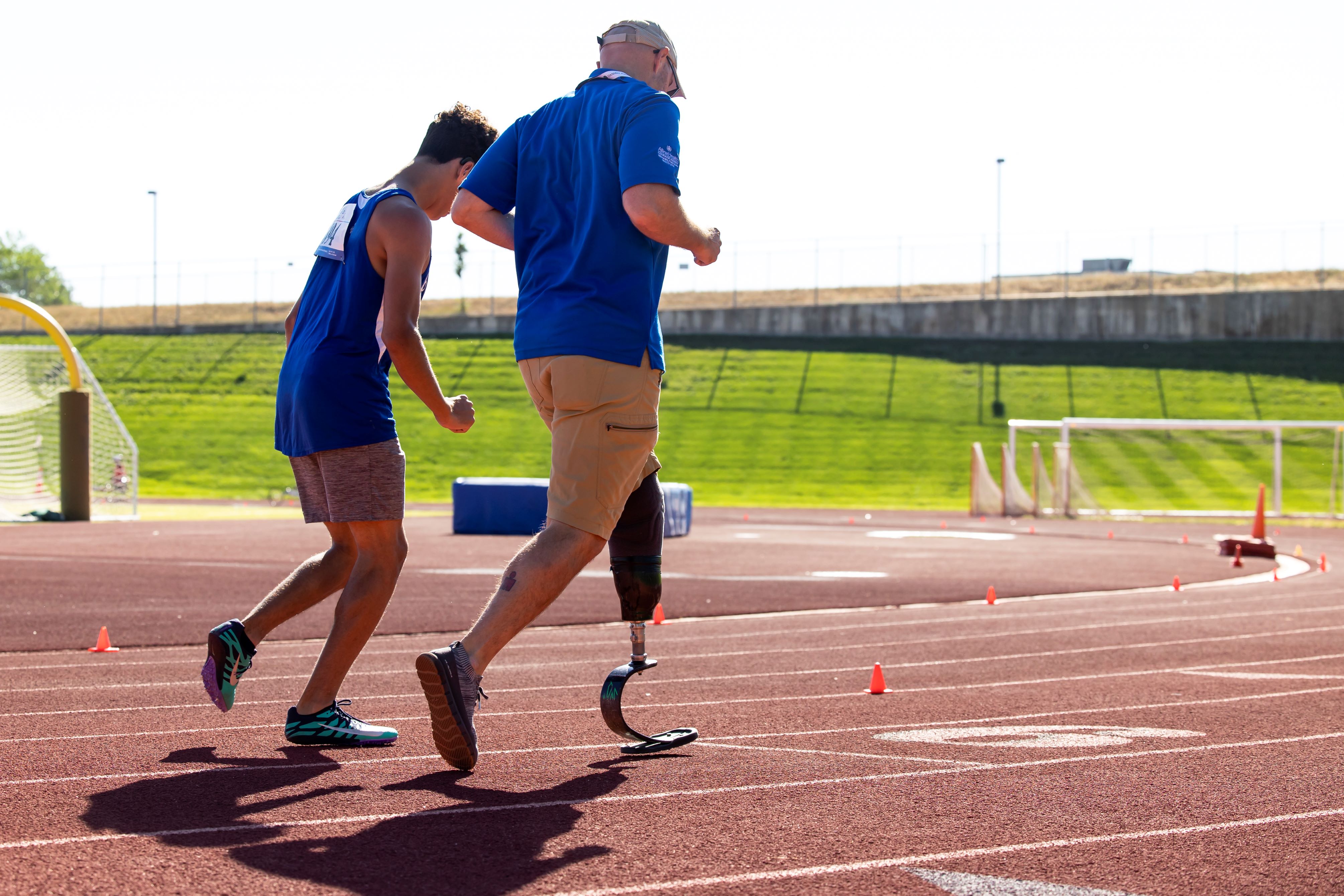
Finally, one major category: smart platforms that connect adaptive athlete smart devices, sensors, coaches, data and training programmes. It’s not just the hardware—it’s the ecosystem that turns hardware into performance.
Why this matters
Smart devices generate data—but without good platforms to visualise and action that data, value is lost. Adaptive athletes, coaches and support teams need connectivity: dashboards, mobile apps, data export, remote coaching.
Research shows that wearable sensors and smart devices are only effective when paired with usable analytics and coach/trainer support. ResearchGate+1
Especially for adaptive athletes in regions with fewer local support resources, connectivity means remote coaching, data sharing with specialists, and community building.
What to prioritise
Compatibility with your devices (sensor systems, mobility devices, accessories).
Adaptive-friendly design: The platform should allow for customised metrics relevant to your sport and ability (not just standard running pace).
Mobile access: Easy to use on smartphone, tablet; export/share features.
Community/coach integration: Ability to share data with coach/trainer, get alerts, collaborate remotely.
Data security & privacy: Especially when health data are involved.
Offline capability or low-bandwidth support: In many African regions the internet may be less stable—having offline analysis capability is a plus.
Use-case insight
An adaptive athlete using a smart prosthetic with embedded sensors syncs with a cloud-platform that tracks daily training load, sleep, prosthetic usage, wheelchair propulsion counts. The coach in another country sees a spike in propulsion on the dominant side + poor sleep, and recommends adjustment to cushion pressure and a recovery session the following day—increasing performance and reducing risk.
Insights & Comparisons: Putting It All Together
To summarise how these five categories interact and support adaptive athletes, here’s a side-by-side comparison:
| Device Category | Main Function | Ideal For | Cost / Complexity Estimate* |
|---|---|---|---|
| Wearable Sensor Systems | Movement & physiology monitoring | Any adaptive athlete across sports | Moderate |
| Smart Mobility / Prosthetic Devices | Performance / mobility assist | Athletes using prosthetics, wheelchairs | High |
| Smart Accessories & Interfaces | Ergonomic adaptation & data feedback | Sport-specific interfaces | Low to Moderate |
| Recovery & Health Wearables | Autonomy, health monitoring, recovery | Athletes managing load/injury risk | Low to Moderate |
| Coaching/Connectivity Platforms | Data integration, remote support | Athletes seeking structured training | Low to Moderate (subscription) |
* Costs are relative; some devices may be expensive depending on region and availability.
Key insights
Integration wins: Having a smart prosthetic but no data platform or sensor means you miss out on insights. Conversely, sensors without fitting/proper mounting reduce value.
Region-specific considerations: In many parts of Africa (including Nigeria), availability, servicing, and local adaptation matter. Choose devices that can be supported locally or have international shipping and support.
Independence as a metric: For adaptive athletes, one of the most valuable outcomes is increased autonomy—the ability to train, adjust, and recover with less external assistance. Smart devices help toward that.
Data-driven customisation: Whether it’s adjusting a wheelchair’s seat angle, tweaking a prosthetic blade, or refining glove interface, smart devices reveal metrics that human observation alone may miss.
Recovery & load management count: Adaptive athletes face unique biomechanical demands—monitoring load, strain, recovery is sometimes more critical than raw performance gains.
Thoughtful Conclusion
For adaptive athletes, the pursuit of performance is deeply personal and often uniquely challenging. The right adaptive athlete smart devices can serve as powerful enablers—tools that not only maximise athletic potential but also enhance independence, inclusion and confidence.
From wearable sensors tracking biomechanics, to smart prosthetics moulded for speed, to accessories that fine-tune interfacing, to health-monitoring wearables, and finally to platforms that connect athlete, coach and data—each piece plays a role. Combined, they form a technology ecosystem that empowers adaptive athletes at amateur and elite levels.
As you consider which devices to adopt, remember:
Align device choice with your sport, body, equipment, goals and context (local availability, servicing capabilities).
Prioritise integration: hardware + software + data + coaching environment.
Consider autonomy: the device should help you do more for yourself, not increase dependency.
Think long-term: adaptive athlete smart devices evolve; choose ones that support firmware updates, data export, interoperability.
Don’t neglect recovery and health monitoring—sometimes the biggest gains come from avoiding injury and training smarter.
In the evolving world of inclusive sports technology, being an adaptive athlete means not just adapting gear—but embracing smart gear that adapts with you. Whether you’re sprinting with a carbon-blade prosthetic, racing a wheelchair, hand-cycling, or training for next season, the five categories above give you a roadmap.
Next steps:
Identify which category(s) align best with your current needs. Explore specific products locally or internationally. Seek device demos or trial opportunities if available. Consider budget and servicing logistics. And importantly: bring your coach or support team into the conversation early.
Here’s to smarter training, stronger autonomy and inclusive performance—where adaptive athletes are equipped not just with will and talent, but with cutting-edge smart devices that support every stride, push and victory.


