
Introduction
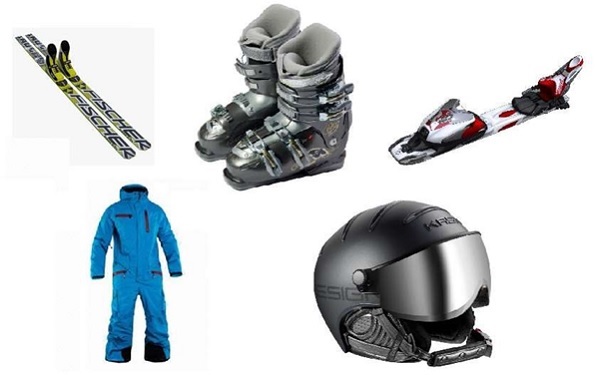
When was the last time something changed the way you see an entire sport? For many people, adaptive equipment for snow and ice has done exactly that — quietly, confidently, and with the kind of elegant ingenuity that makes you wonder why it didn’t exist sooner. In this long-form guide I’ll take you through the life-changing world of adaptive gear for winter sports: what’s available, who it’s for, how it’s used, and why it matters to adaptive athletes, coaches, sports therapists, assistive technology developers, instructors, policymakers, educators, investors, and accessibility advocates.
This is not a dry catalog. It’s a conversational, evidence-backed roadmap that blends practical advice, comparisons, and real-world context so you can make smarter choices — whether you’re shopping, coaching, teaching, or building the next breakthrough device.
Quick snapshot: adaptive winter-sports equipment ranges from outriggers and mono/bi-skis to rider bars, tethers, and adaptive bindings. These tools enable people with balance, limb, or vision impairments to participate in alpine and Nordic sports, sled hockey, and adaptive snowboarding — at recreational and elite levels alike. paralympic.org+1
Why adaptive gear for winter sports matters
Adaptive gear is more than aftermarket parts glued on to make things work. It represents a systems-level approach to accessibility: matching equipment to ability, modifying teaching methods, and designing for dignity. The past two decades have seen a combination of community programs, nonprofit initiatives, and international governing bodies formalize adaptive equipment standards and spread best practice — and the results have been dramatic. From learn-to-ski programs at local hills to medal-winning Paralympic performances, adaptive gear has moved people from ‘spectators’ to ‘participants’ and sometimes to ‘elite competitors.’ Move United+1
Key reasons it matters now:
Advances in materials and manufacturing (lighter frames, customizable molds).
Better coaching curricula and instructor certification for adaptive sports.
Growing visibility and funding (para-sport events, grants, philanthropy).
Clearer equipment/specification standards from governing bodies, improving safety and fairness. assets.fis-ski.com
The core categories of adaptive gear for winter sports
Below are the equipment families you’ll encounter. I explain what they do, who they fit, and one practical tip for coaches or therapists.
1. Sit-skis (mono-ski and bi-ski)
Sit-skis put a seated platform on skis — mono-skis use a single ski, bi-skis use two. They allow athletes who cannot stand for long or who use wheelchairs to ski independently or with assistance.
Best for: people with lower-limb impairments, wheelchair users, and some balance-affected athletes.
Coaching tip: start with a bi-ski for beginners (more stable), progress to a mono-ski for those building balance and core control. Ski Utah!+1
2. Outriggers
Outriggers are short poles with mini skis on the end; they act like balance poles and are used like crutches on snow.
Best for: standing adaptive skiers, amputees, and those with balance asymmetry.
Coaching tip: teach weight transfer and pole plant drills early — outriggers become extensions of the athlete’s proprioception.
3. Tethers and harnesses
Tethers are used to connect an instructor or assistant to a sit-ski or standing skier for safety and steering during learning.
Best for: beginners on sit-skis, adaptive snowboard learners, and assisted downhill practice.
Coaching tip: practice tethered straight-line control before introducing turns to reduce anxiety.
4. Rider bars, snow wings, and adaptive handles
These are adaptive attachments for snowboards — rider bars allow seated control, snow wings (or “Sno-wings”) help with directional stability.
Best for: snowboarders with limited lower-limb function or balance limitations.
Coaching tip: combine with tactile cues and short tethering sessions to build confidence. discover.burton.com+1
5. Ski bikes and sit-ski bikes
Ski bikes marry a bike frame to skis; some are designed to be ridden seated, providing a bike-like balance platform on snow.
Best for: athletes who want a lower-impact, seated option that still emphasizes steering and speed.
Coaching tip: alters muscle recruitment — pair with core-strengthening exercises.
6. Visual impairment aids and guides
These include communication protocols, tethered guiding, and audio cue systems for visually impaired skiers.
Best for: visually impaired athletes across disciplines.
Coaching tip: consistent verbal shorthand between athlete and guide is essential for safety and speed. paralympic.org
Comparison table: Which adaptive gear fits different needs?
| Gear type | Best for (abilities) | Typical pros | Typical cons | Ballpark cost (USD) |
|---|---|---|---|---|
| Bi-ski | New sit-skiers, low balance | Stable, quicker learning curve | Heavier, needs help on lifts | $2,000–$6,000 (rental common) |
| Mono-ski | Advanced sit-skiers | Lighter, more agile, better performance | Requires core strength, skill | $2,500–$8,000 |
| Outriggers | Standing adaptive skiers | Improves balance & steering | Requires upper-body control | $100–$400 |
| Rider Bar / Snow Wing | Seated snowboarders | Enables self-propulsion & steering | Less maneuverable in deep powder | $200–$1,000 |
| Ski Bike | Mobility-limited riders wanting speed | Fun, intuitive for cyclists | Less common instruction | $1,000–$4,000 |
| Tethers & Harnesses | Beginners needing assistance | Safety and control | Instructor-dependent | $50–$300 |
(Costs vary widely by manufacturer, customization, and whether equipment is new or rented. Many adaptive programs offer rentals and grants.) Maine Adaptive+1
How coaches, therapists, and instructors can use adaptive gear to accelerate learning
If you’re coaching adaptive athletes, the equipment is a tool — not an outcome. Here are action-oriented habits that produce faster gains:
Progressive equipment steps — start stable (bi-ski), then increase challenge (mono-ski) as balance and autonomy grow.
Combine physical therapy with on-snow drills — core and scapular stability translate directly into better sit-ski control.
Simulate on-dryland — using balance trainers, wheelchairs, or dry-land rigs helps athletes practice steering and weight shifts before hitting the snow.
Use tethers and instructor positioning — learning is less scary when someone shares speed control; ephemeral tether sessions create big confidence wins.
Prioritize equipment fit — a poorly fitting seat or harness ruins otherwise great progress; always work with certified fitters. Move United+1
Real-world stories: how adaptive gear changes lives
I could give you a list of specs and patents, but the point hits home when a parent says their child “found freedom” on a sit-ski, or an injured veteran says their mono-ski gave them back the taste of speed. Adaptive gear turns therapy into play, rehab into sport, and spectators into teammates.
Organizations like Move United and Vermont Adaptive have extensive programs showing how equipment plus instruction can create measurable physical and psychosocial benefits. These programs don’t just loan gear; they provide coaching, volunteer networks, and community, which is half the battle. Move United+1
Design principles every assistive-tech developer should care about
If you design or invest in adaptive winter-sports tech, pay attention to these non-negotiables:
Adjustability — bodies and disabilities vary; modular adjustment is key.
Weight-to-strength ratio — lighter doesn’t mean weaker; smart design uses materials where they count.
Serviceability — ease of repair at a resort or clinic matters.
Interface simplicity — athletes and instructors need to quickly change settings without a manual.
Standards compliance — consult governing-spec documents to avoid wasting R&D on noncompliant features. (FIS and Paralympic rules cover much of this.) assets.fis-ski.com+1
Top resources and organizations
Below are organizations and resources I recommend connecting with for deeper learning, training, standards, and equipment support:
International Paralympic Committee — Para Alpine overview and event standards. paralympic.org
FIS Para Snow Sports equipment specifications (detailed rules and standards, PDF). assets.fis-ski.com
Move United — national adaptive sports programs and directory. Move United
SkiUtah’s adaptive equipment primer — practical, athlete-facing explanations. Ski Utah!
(These links point you to governing and program-level resources that are helpful for coaches, policymakers, and device teams.)
Practical buying and renting — what to check before you commit
Adaptive equipment is often expensive. Here’s a practical checklist:
Is the seat mold custom or adjustable? (Custom = comfort, adjustable = adaptability for growth.)
What’s the transport and lift-loading process? (Some sit-skis require special handling.)
Does the supplier offer training or a demo day?
Are there rental options via local adaptive programs? (Many facilities keep a rotation of bi-skis/mono-skis for lessons.)
Is the product compliant with the sport’s competition rules if you aim for elite competition? Maine Adaptive+1
Safety, training, and maintenance: the non-sexy but essential parts
A shiny frame is useless without maintenance and safe use. Follow these routines:
Pre-season check: inspect frames, bolts, seat attachments, and skis for fatigue.
Daily warm-up: athletes should do sport-specific mobility and core activation drills.
Lift procedures: educate lift operators and volunteers — chair-loading a sit-ski safely takes practice.
Volunteer training: many programs rely on volunteers; structured onboarding reduces accidents.
Winter storage: salt, wet conditions, and fluctuating temps degrade gear; dry and lightly-oiled storage is best.
Coaching adaptations across disciplines
Adaptive gear is used across alpine skiing, nordic (cross-country) skiing, snowboarding, sled hockey, and more. Here are quick, discipline-specific notes:
Alpine (downhill) skiing
Sit-skis and outriggers dominate. Work on edge control and line choice early.
Competition-level athletes should familiarize themselves with classification rules. paralympic.org+1
Nordic (cross-country)
Sit-skis or adapted sleds are used; technique prioritizes endurance and efficient pole stroke.
Trail grooming and ski choice are often underrated factors.
Snowboarding
Rider bars, tethering, and modified bindings let athletes maintain board contact.
Small, frequent coaching sessions are better than long, fatiguing runs. usadaptive.net
Sled hockey and ice sports
Equipment is sport-specific; seating, skates, and sticks are adapted for speed and maneuvering.
Strength training and upper-body conditioning pay off quickly.
How policymakers and funders can create more accessible winter-sports ecosystems
If you’re a policymaker, grantmaker, or investor looking to scale inclusion, consider:
Funding equipment libraries at regional resorts to lower the access barrier for first-timers.
Investing in instructor certification programs that certify teachable, standardized methods for adaptive sports.
Supporting manufacturing grants to bring down per-unit costs for sit-skis and custom seating.
Requiring accessibility audits when public funds support recreational facilities.
Small policy changes — like subsidizing rentals or covering a portion of adaptive equipment cost in rehab budgets — lead to outsized participation gains.
Mistakes I see too often (and how to avoid them)
Buying the “fastest” mono-ski for a beginner — instead, rent a bi-ski until skills stabilize.
Ignoring lift and transport logistics — make sure your resort staff know procedures before the first lesson.
Assuming one size fits all — test fit every athlete and log preferences.
Skipping dryland prep — on-snow time is precious — maximize it with targeted conditioning.
The future: what’s coming in adaptive gear for winter sports?
Expect to see:
More modular seats using 3D scanning and printing for affordable, semi-custom molds.
Sensor-enabled outriggers and pressure-sensing seats that give coaches live feedback.
Lighter composite frames and improved quick-release fittings for easier transport.
Cross-pollination of tech from cycling and water sports to snow tech — think better suspension, dampers, and shock management tailored for mono-skis.
These innovations will come from the interface of startups, university labs, and the adaptive-sports community — a fertile place for investors and assistive-tech developers.
Action Plan: How to get started this season
If you want to move from curiosity to action, follow this four-step plan:
Locate a program — use Move United or your national adaptive body to find local lessons. Move United
Try before you buy — attend demo days; many resorts and nonprofits run accessible demo events. Vermont Adaptive Ski & Sports
Get instruction — invest in at least 5 lessons with an adaptive-certified instructor before buying gear.
Plan maintenance & storage — make a low-cost checklist and assign a volunteer or staff member to follow it.
FAQs
Q: Can anyone learn to ski on a sit-ski?
A: Many people with lower-limb impairments or balance challenges can learn with the right equipment and instruction; suitability depends on upper-body strength, core control, and comfort level. Ski Utah!
Q: Where can I rent adaptive gear?
A: Many adaptive programs, regional resorts, and nonprofit organizations maintain rental fleets. Contact local adaptive sports organizations or Move United chapters. Move United+1
Q: Are adaptive sports governed by the same safety rules?
A: Adaptive sports often follow sport-specific governing rules; for elite competition check FIS/IPC equipment specs. assets.fis-ski.com+1
Closing thoughts: the simplest truth about adaptive gear
Adaptive gear for winter sports doesn’t merely retrofit ability onto equipment — it redefines possibility. Whether you’re a coach teaching a first chairlift ride, a therapist integrating balance training into rehab, a developer designing the next seat frame, or an investor looking to scale impact, the work you do with adaptive gear changes bodies and rewrites stories.
If you came here curious, pick one practical next step from the Action Plan and do it this season. Bring a friend. Volunteer at a demo day. Or simply share this piece with a facility manager. Inclusion multiplies when information and equipment meet intention.
Before you hit the slopes, don’t miss our other deep dives in the Adaptive Equipment & Gear series — including Inspiring Adaptive Climbing Equipment for Extreme Athletes and Breakthrough AI Wearables for Athletes: Transforming Training, Rehab, and Adaptive Performance. Each guide explores how inclusive technology and adaptive design are redefining what’s possible in sports performance and accessibility


