Introduction

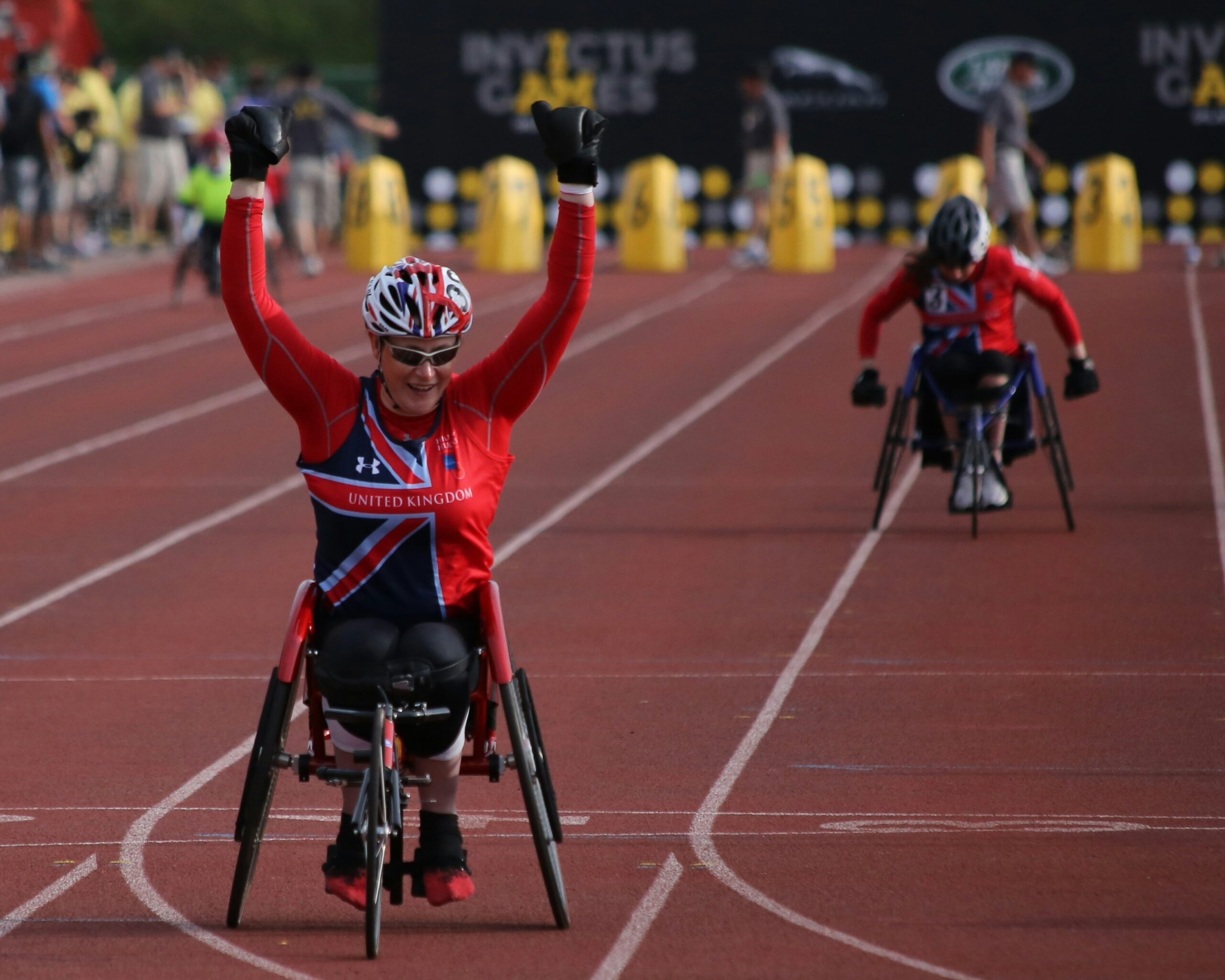
Imagine a world where adaptive sports aren’t second-class—where cutting-edge science gives disabled athletes access to world-class performance tools, and where every barrier feels like it’s being torn down. Well, that world is becoming real—and fast.
Over the past few years, adaptive sports have evolved from niche rehabilitation tools to powerful platforms for performance, empowerment, and innovation. But it’s not just about the athletes on the field anymore: researchers, technologists, and social scientists are making urgent breakthroughs that could reshape the future of inclusive athletics.
Whether you’re a die-hard fan of wheelchair basketball, a track-and-field enthusiast following Paralympic stars, or a supporter of inclusive community programs—this research matters. It influences athlete training, policy, funding, and even how we think about ability itself.
In this post, we’ll highlight the most transformative, up-to-date research discoveries in adaptive sports. These aren’t theoretical ideas; they’re studies actively driving change. Understanding these insights can give you a deeper appreciation for not only the athletes, but also the systems and science that support them.
Why This Research Matters to Adaptive Sports Fans
- Elevates performance: New training methods + tech = better athletic outcomes.
- Boosts inclusion: Science is building bridges for more people to participate.
- Improves athlete wellbeing: Mental and social health benefits are being scientifically validated.
- Informs policy and funding: Research is shaping how governments and organizations support adaptive sports.
- Raises awareness: Fans empowered with knowledge become advocates.
Top Breakthroughs Transforming Adaptive Sports Today
1. Emotional Resilience & Social Inclusion: The Psychology Powerhouse
One of the most exciting recent breakthroughs comes from psychology research. A 2025 study found that adaptive sports programs significantly boost emotional resilience and empathy, which in turn promote social inclusion and cognitive flexibility. BioMed Central+1
- Emotional resilience helps athletes bounce back from setbacks, manage stress, and grow stronger.
- Empathy development fosters deeper connection among teammates, coaches, and communities.
- These psychological gains don’t just benefit the individual—they change social dynamics in inclusive sports settings.
Why this is huge: It reframes adaptive sports not only as physical activity but as a social engine—nurturing personal growth and community building.
2. Quality of Life Gains: The Health Dividend
Meta-analyses and systematic reviews continue to show that participation in adaptive sports brings measurable health benefits:
- A comprehensive meta-analysis reported significant improvements in mental quality of life, with a standardized mean difference (SMD) of 0.62 for adaptive sports participants vs. non-participants. MDPI+1
- For physical quality of life, pre- and post-intervention results demonstrated an SMD of 1.03, indicating substantial gains. PubMed
Moreover, a mixed-methods review (looking at both quantitative and qualitative studies) found that wheelchair users engaging in adaptive sport reported better emotional, social, material, and personal well‑being. PubMed
Bottom line: Adaptive sports aren’t just recreational—they’re a proven strategy for improving mental and physical health for athletes with disabilities.
3. Economic Impact: Employment & Social Mobility
Adaptive sports don’t just build strength—they also support economic inclusion. A cross-sectional study of athletes in wheelchair basketball and rugby showed that each additional year of participating in adaptive sports increases the likelihood of employment by about 4%. PubMed
This suggests sports can drive more than just physical wellness—they contribute to economic empowerment for individuals with disabilities. For communities and policy-makers, that’s a powerful argument for investing in adaptive sport programs.
4. Coaching Dynamics: New Frameworks for Inclusion
Coaching adaptive athletes is not a one-size-fits-all job. A 2024 systematic review highlighted the critical importance of:
- Flexible, adaptive coaching strategies
- Effective communication tailored to the athlete’s needs
- Self-reflection and continuous learning by coaches
This new framework is transforming how coaches interact with para-athletes, emphasizing not just technical skill, but emotional intelligence, adaptability, and empathy—traits that build trust and optimize performance.
5. A Conceptual Leap: The “Adaptive Synergy” Model
The Adaptive Synergy framework is one of the more philosophical yet practically impactful models emerging in sport science. It proposes a cross-disciplinary integration of biomechanics, exercise physiology, psychology, and neuroscience to develop more inclusive training environments for athletes with physical disabilities. PMC
Key ideas include:
- Tailored training protocols that account for each athlete’s unique physiology
- Equipment innovation (prosthetics, wheelchairs, etc.) that benefits both disabled and able-bodied athletes
- Reducing structural and financial barriers by designing evidence-based, accessible systems
The long-term payoff: a truly inclusive sports science ecosystem where “adaptive” is not a limitation, but a source of innovation.
6. Coaching Technology & Athlete Equipment Innovation
Adaptive sports are leveraging high-tech tools in new ways:
- While not yet widespread, AI-driven biomechanics and motion-capture are increasingly being used to analyze and improve technique for para-athletes. For example, studies have applied OpenPose and other computer-vision tools to seated motion capture in disabled sports. Beyond Barriers Sports
- On the equipment side, 3D-printed prosthetics and custom-designed wheelchairs are becoming more accessible. These innovations are inspired by research, opening up performance gains and personalization.
These technologies bring elite-level analytics and design to adaptive sports, closing the gap between what’s possible for para-athletes versus traditional athletes.
7. Barriers & Access: The Equity Challenge
Even as innovation booms, not everyone benefits equally. Studies have pointed out significant access gaps, especially in low- and middle-income countries. Beyond Barriers Sports
Challenges include:
- Lack of access to assistive technology
- Financial hurdles to training and equipment
- Transportation and infrastructural barriers
Addressing these is not just a question of fairness—it’s essential if adaptive sports are to reach their full potential as a force for inclusion.
8. Emerging Modalities: New Adaptive Sports on the Rise
- Adaptive Standing Tennis (also called Para Standing Tennis) is gaining traction. This sport is for ambulatory athletes with physical disabilities (e.g., amputations, hemiplegia) and is being pushed for Paralympic recognition. Wikipedia
- The Cybathlon, a competition that highlights assistive technologies (like exoskeletons and brain-controlled devices), is influencing not just sport but engineering design. The 2024 edition drew global academic and industry teams. Wikipedia
These emerging modalities show how adaptive sports are not stagnant—they’re evolving rapidly, blending athleticism with technology and inclusion.
Comparative Snapshot: What’s Changing
| Breakthrough Area | Before Research Surge | After Research Surge |
|---|---|---|
| Psychosocial Impact | Seen as recreational or rehabilitative | Proven to build resilience, empathy, and social inclusion BioMed Central+1 |
| Health Outcomes | Anecdotal benefits | Quantitative gains in mental (SMD ~0.62) & physical quality of life MDPI+1 |
| Economic Benefit | Little attention | 4% increased employment likelihood per year of sport participation PubMed |
| Coaching | Adapted from able-bodied models | Frameworks for empathy, flexible communication, personalized training Frontiers |
| Technology | Limited adaptive-specific tools | AI motion capture, 3D-printed gear, customized prosthetics Beyond Barriers Sports |
| Inclusion Barriers | High cost, low access | Research highlighting equity gaps and driving funding/policy change Beyond Barriers Sports |
Real-World Impact: Stories from the Field
National Ability Center (Park City, Utah)
The McGrath Mountain Center, part of the National Ability Center, is setting a new standard in adaptive sports. It’s not just a recreation facility—it’s a cutting-edge hub with specialized ski equipment, sensory rooms, and inclusive programming. Condé Nast Traveler
This is where science meets community, giving Paralympic-level access to everyday athletes.
Systemic Change in Physical Education
Schools and inclusive sports programs are using the latest psychological research to build curricula that don’t merely adapt sports — they transform how students relate and grow. Emotional resilience and empathy, for instance, are now being woven into the fabric of adaptive PE. BioMed Central+1
Assistive Tech & Performance
The Cybathlon illustrates a powerful synergy: engineers, scientists, and athletes design assistive devices in tandem, using rigorous testing to improve both performance and usability. Wikipedia
Why Fans Should Pay Attention (And Spread the Word)
- Advocacy Impact: When fans understand the science, they can better support funding, policy, and access initiatives.
- Elevated Appreciation: Knowing the underlying breakthroughs deepens how we admire athletes—not just for what they do, but how they do it.
- Community Building: Informed fans can educate others and shift public narratives around disability and sport.
- Future-Proofing: Research today shapes the adaptive sports world of tomorrow—your awareness helps create demand for inclusive innovation.
Challenges & Ethical Considerations
While the research is promising, there are some hurdles and questions:
- Equity: Breakthroughs often benefit elite athletes first. How do we make sure they reach grassroots programs and under-resourced communities?
- Accessibility of Tech: AI-driven tools and 3D-printed prosthetics are expensive. Without policies to subsidize them, they may remain out of reach.
- Coach Training: Not all coaches are equipped to adopt the new adaptive frameworks. Scaling this model requires investment in education.
- Sustainability: Innovation must be matched by sustainable funding, not just temporary research grants.
The Road Ahead: What to Watch
Here are some key trends fans should keep an eye on in coming years:
- Wider adoption of AI & motion capture: As tools become cheaper, more para-sports programs may integrate real-time feedback.
- Inclusive coaching certification: Expect to see more coach-training programs centered around adaptive synergy and emotional resilience.
- Policy shifts: Governments and NGOs may increasingly prioritize adaptive sports as a social and economic inclusion strategy.
- New adaptive sports: Sports like adaptive standing tennis may earn wider recognition and institutional backing.
- Global access initiatives: Research highlighting access gaps could drive funding to low- and middle-income countries.
Conclusion
The landscape of adaptive sports is being transformed right before our eyes. Through urgent, breakthrough research, adaptive sports are no longer just rehabilitative or symbolic—they’re powerful engines of performance, inclusion, and human potential.
From psychological resilience to employment gains, from AI-driven training to conceptual frameworks like Adaptive Synergy, science is reshaping what it means to be an adaptive athlete. These developments aren’t distant or abstract; they’re being applied in training centers, community programs, and global competitions.
As a fan, your role is more than just cheering from the sidelines. Understanding this research helps you advocate, educate, and celebrate the evolving world of adaptive sports.
Let’s stay curious, stay informed, and stay engaged.
Call to Action:
If you found this eye-opening, Share Now—let’s amplify these breakthroughs for every adaptive sports fan.


