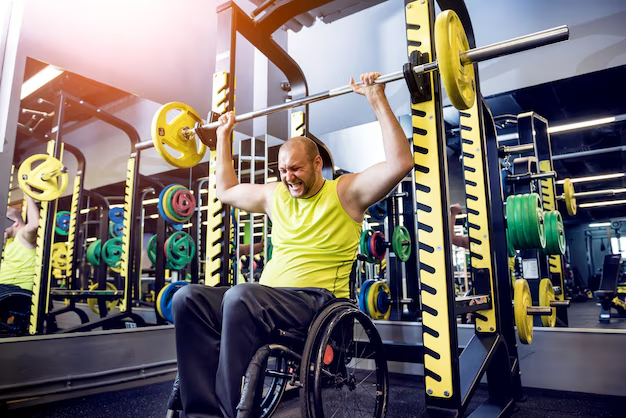
Introduction: The Complete Beginner’s Guide to Inclusive Fitness
By [Angelonelo] | Fitness & Wellness | Last Updated: 2026
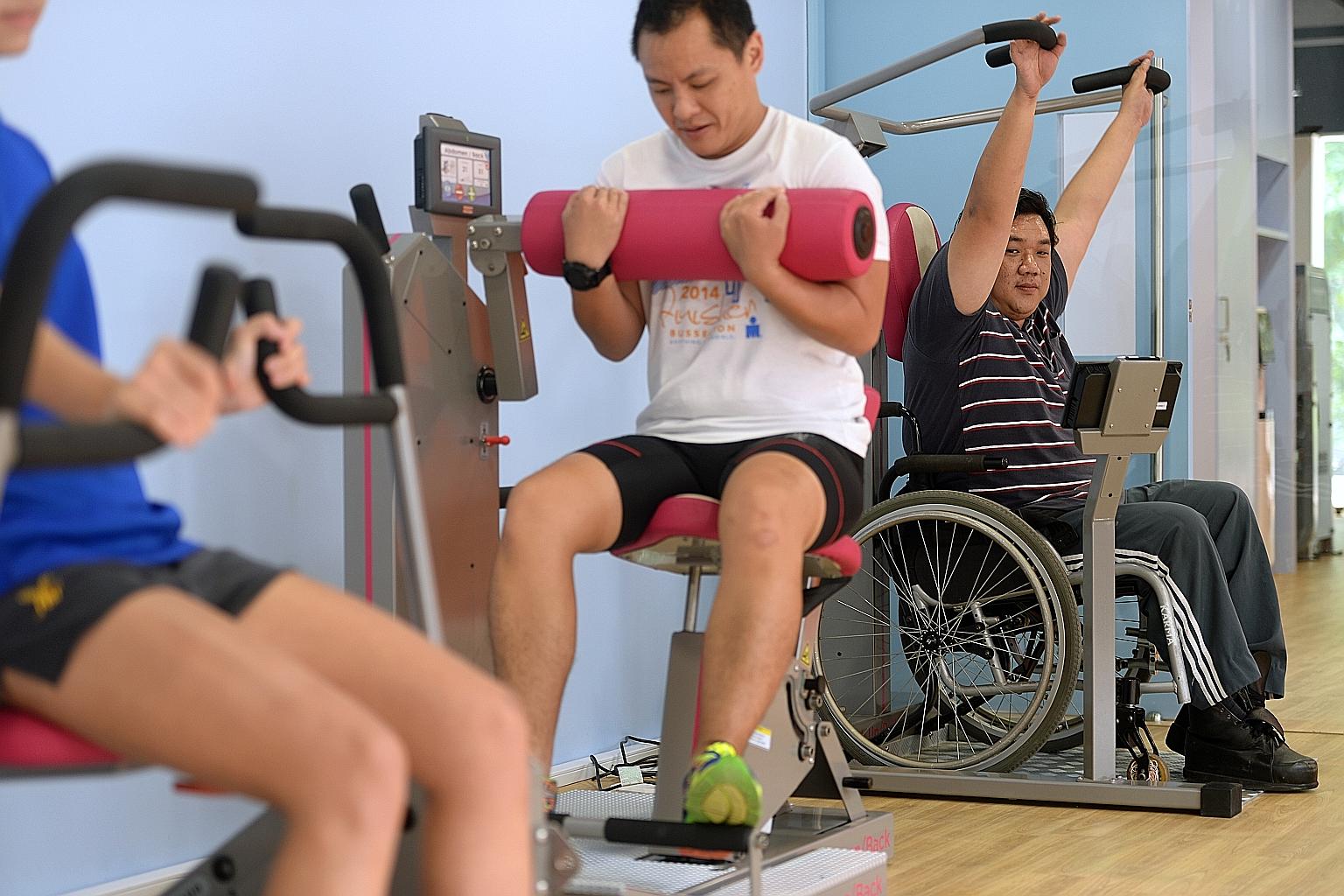
There’s a quiet revolution happening inside gyms across America, Canada, and the United Kingdom — and it doesn’t involve the latest protein powder or a trending HIIT class. It starts with a simple but radical idea: that fitness belongs to everyone, regardless of ability, age, or physical limitation. Welcome to the world of adaptive gym equipment — where engineering meets empathy, and where the barbell isn’t the only measure of strength.
Whether you’re a young professional managing a disability, a senior citizen eager to stay active well into your 80s, or someone supporting a loved one on their fitness journey, this guide will walk you through everything you need to know. Think of it as your sophisticated, no-nonsense entry point into one of the most important movements in modern sports and wellness.
What Is Adaptive Fitness Equipment — And Why Does It Matter?
Let’s set the scene. Standard gym equipment is designed, almost without apology, for a narrow slice of the population: able-bodied adults with full range of motion, bilateral strength, and zero orthopedic complications. Great if that’s you. For the estimated 61 million adults in the U.S. living with some form of disability, that model fails spectacularly.
Adaptive fitness equipment refers to any device, machine, or tool that has been modified or specifically designed to accommodate users with physical, cognitive, or sensory disabilities. The goal isn’t charity — it’s parity. According to Active Disability Ireland’s accessible equipment factsheet, properly designed adaptive equipment enables people with disabilities to participate in physical activity on equal terms, supporting everything from cardiovascular health to muscle development and mental well-being.
This isn’t just a nice-to-have. It’s a public health imperative.
Who Needs Adaptive Equipment?
Short answer: more people than you’d think. Adaptive equipment isn’t exclusively for individuals with severe disabilities. It serves a remarkably broad audience, including:
- People with spinal cord injuries, limb differences, or amputations
- Individuals with cerebral palsy, multiple sclerosis, or muscular dystrophy
- Stroke survivors rebuilding functional strength
- Seniors managing arthritis, balance issues, or reduced mobility
- Post-surgical patients in rehabilitation
- Anyone with chronic pain conditions that make standard equipment painful or unsafe
As Cerebral Palsy Pathfinding’s gym equipment guide points out, people with conditions like cerebral palsy can benefit enormously from structured, equipment-based fitness — provided the tools are appropriate for their unique physical profile.
The question isn’t who needs it. The question is: why has it taken this long for the fitness industry to catch up?
Types of Adaptive Gym Equipment: A Comprehensive Overview

Understanding the landscape of adaptive equipment means understanding that it spans everything from high-tech exoskeletons to simple grip aids. Here’s a breakdown of the major categories:
1. Seated and Recumbent Cardio Machines
For users who cannot stand or have limited lower-body function, seated alternatives to treadmills are game-changers. Recumbent bikes provide cardiovascular benefit with full back support, while hand cycles (or upper-body ergometers) offer aerobic conditioning for wheelchair users. The ellipse leg exerciser, often asked about, is worth considering for seniors — it offers low-impact joint movement that simulates walking without the impact of a treadmill.
2. Wheelchair-Accessible Weight Machines
Traditional cable machines and pin-loaded weight stacks can often be adapted by removing benches, lowering seat heights, or adding attachments. Dedicated wheelchair-accessible machines are designed from the ground up to allow users to train from their chair without dangerous transfers.
3. Prosthetic and Limb-Adapted Equipment
From modified barbells with prosthetic attachments to specialized grips and wrist cuffs, this category helps individuals with limb differences train safely and effectively. Companies across the U.S. and UK now offer custom solutions that allow athletes with amputations to deadlift, press, and pull without compromise.
4. Balance and Stability Tools
For seniors and stroke survivors, restoring proprioception is often more urgent than building raw strength. Adaptive balance boards, parallel bars, and stability platforms offer low-risk environments to rebuild coordination.
5. Resistance Bands and Bodyweight Systems
Often overlooked, resistance bands are among the most versatile pieces of adaptive equipment available. They can be anchored at any height, used from a seated position, and scaled precisely to any strength level. ABC Med’s guide to using adaptive equipment in the gym highlights how resistance-based training can be meaningfully adapted for a wide range of users without requiring expensive machinery.
6. Exoskeletons and Powered Assistive Devices
This is the frontier. Robotic exoskeletons like the ReWalk allow individuals with paralysis to walk with assistance during therapy sessions. A full-body exoskeleton typically costs anywhere from $70,000 to $150,000 USD — exoskeleton therapy sessions in clinical settings can run $100–$250 per session. The ReWalk personal device runs approximately $77,000 USD. These technologies remain inaccessible to most, but their existence signals where the entire field is heading.
Adaptive Gym Equipment Cost: What Should You Budget?
One of the most common questions is simply: how much does adaptive sports equipment cost? The honest answer is — it depends enormously on what you need.
| Equipment Type | Estimated Cost (USD) | Suitable For |
|---|---|---|
| Resistance bands set | $15–$50 | All ability levels |
| Recumbent stationary bike | $300–$2,500 | Limited mobility, seniors |
| Hand cycle / Upper body ergometer | $500–$4,000 | Wheelchair users |
| Wheelchair-accessible weight machine | $2,000–$10,000+ | SCI, lower limb disabilities |
| Adaptive home gym starter kit | $500–$3,000 | Various conditions |
| ReWalk exoskeleton | ~$77,000 | Spinal cord injury (clinical) |
| Full-body exoskeleton | $70,000–$150,000 | Clinical/research use |
As Equip Products’ guide to starting adaptive fitness at home outlines, you don’t need to spend a fortune to build an effective home training environment. A thoughtful selection of resistance bands, a quality recumbent bike, and a set of adjustable dumbbells can form the backbone of a highly functional adaptive home gym for under $1,500.
Funding is also worth exploring. In the U.S., some adaptive equipment may qualify for FSA/HSA reimbursement, medical tax deductions, or state disability program funding. In the UK, Access to Work grants and Disabled Facilities Grants can sometimes be applied to home fitness adaptations. Always consult your healthcare provider or occupational therapist to understand what may be covered.
The Best Exercise Equipment for Seniors: What Actually Works

Seniors represent the largest and fastest-growing segment of adaptive equipment users — and they deserve advice that goes beyond “take a walk.” Here’s what the research and practitioners actually recommend:
For general daily movement (70+ years old), the focus should be on functional fitness: mobility, balance, and strength in the movements you do every day — getting up from a chair, climbing stairs, reaching overhead. The 3-3-3 rule in gym contexts — three exercises, three sets, three times per week — is a practical starting framework that avoids overtraining while maintaining consistency.
For arthritic knees, the elliptical is generally preferred over the treadmill for seniors. It provides cardiovascular benefit while dramatically reducing the joint impact associated with walking or running on a hard surface. Water-based resistance machines, where available, offer even less joint stress.
For leg strengthening in 80-year-olds, seated leg press machines (with appropriate weight and range of motion), resistance band leg exercises, and recumbent cycling are the clinical favorites. The goal isn’t strength for sport — it’s strength for independence.
Should an 80-year-old go to the gym? Emphatically, yes — with appropriate guidance, medical clearance, and properly scaled equipment. The evidence overwhelmingly supports resistance and cardiovascular training well into the ninth decade of life, and adaptive equipment makes this accessible in ways that standard gym floors simply cannot.
What If You Can’t Walk? Exercise Options That Deliver Results
This is perhaps the most critical question in the adaptive fitness space, and it deserves a direct answer: not being able to walk does not mean you cannot train effectively.
Upper body cardiovascular training via hand cycles and rowing machines (with adapted grips) provides full aerobic conditioning. Seated resistance training using cable machines, resistance bands, and adapted free weights builds meaningful strength throughout the upper body and core. For individuals with partial lower limb function, functional electrical stimulation (FES) bikes can engage paralyzed muscles through electrical impulses during cycling — a technology with documented rehabilitation benefits.
The Not So Typical Fitness blog offers a refreshingly candid look at what training actually looks like for people with disabilities — stripping away the inspiration-porn narrative and replacing it with practical, experienced guidance. The message is consistent: the limitation is rarely the person. More often, it’s the environment and the equipment.
What Is an Adaptive Personal Trainer — And Do You Need One?
An adaptive personal trainer (also called an inclusive fitness trainer) is a certified professional with specialized training in exercise programming for individuals with physical, cognitive, or neurological disabilities. Their skill set goes well beyond standard personal training — it includes understanding of pathology, assistive technology, movement modification, and disability-specific nutrition and recovery.
So, is $300 a month a lot for a personal trainer? In major U.S. and UK cities, yes — that’s roughly on par with mid-range personal training rates. For adaptive specialists, rates may be slightly higher given the additional certification and expertise required. But the ROI on working with someone who genuinely understands your body and its specific demands is almost always worth it, particularly when starting out.
The four adaptive strategies most used by trainers are: task modification (changing how an exercise is performed), equipment modification (using adaptive tools), environmental modification (adjusting the training space), and instructional modification (changing how cues and coaching are delivered). Together, these create a training experience that’s not just possible — it’s powerful.
Building an Adaptive Home Gym: A Practical Starter Framework
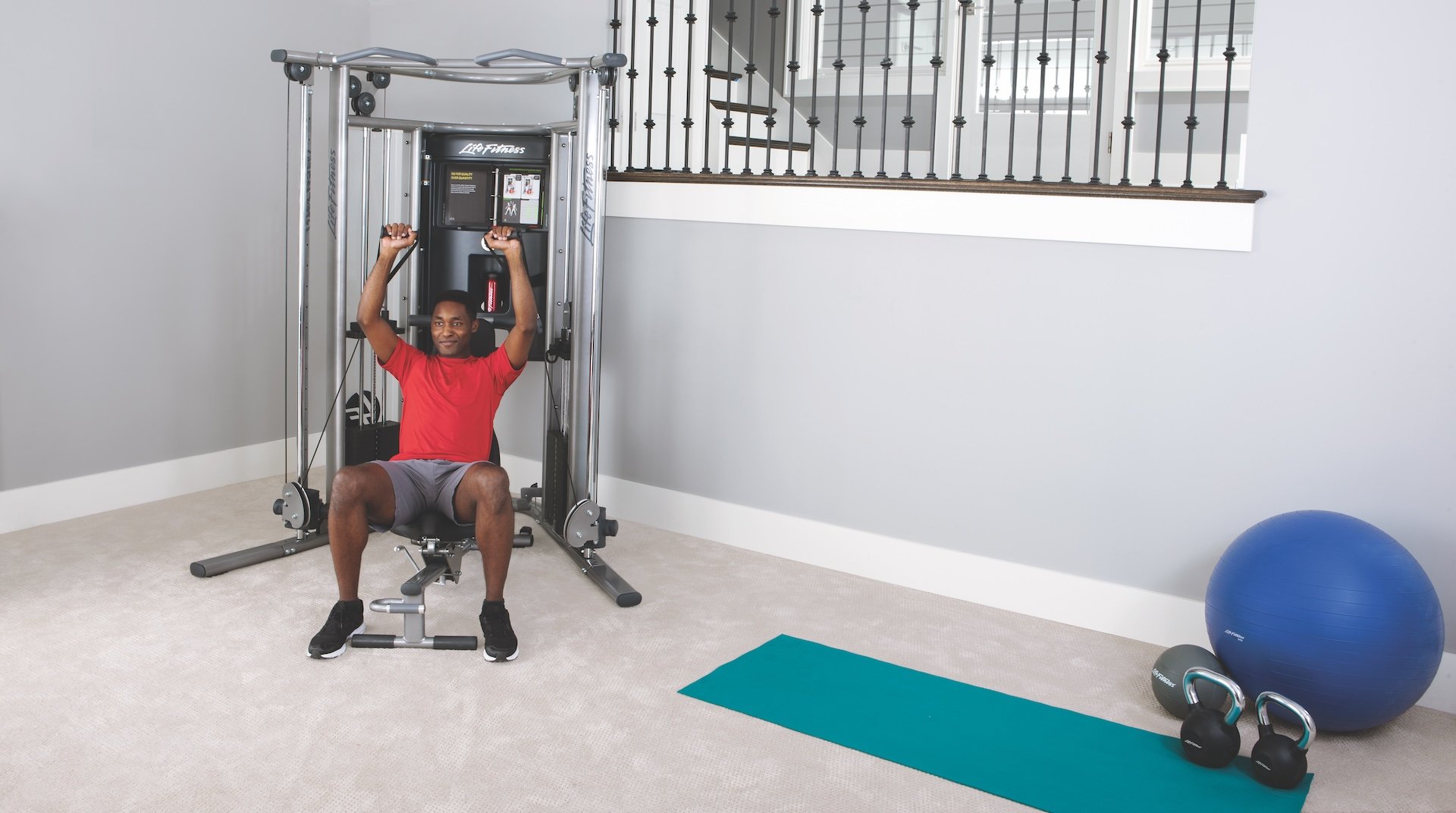
You don’t need a fully equipped adaptive facility to train well. Here’s a practical, budget-conscious starter kit for home adaptive fitness:
Essential Tier ($200–$500):
- Loop and tube resistance bands with door anchor
- Non-slip exercise mat with beveled edges
- Adjustable dumbbells (light range)
- Foam roller for recovery
Intermediate Tier ($500–$1,500):
- Recumbent stationary bike or seated upper body ergometer
- Adjustable weight bench with safety features
- Resistance cable system with multiple anchor points
Advanced Tier ($1,500–$5,000):
- Wheelchair-accessible multi-gym or cable machine
- FES (Functional Electrical Stimulation) bike for SCI users
- Parallel bars for balance and standing rehab
For those starting out, the guidance at Equip Products is invaluable — practical, specific, and free of the overwhelming technical jargon that can make adaptive fitness feel more complicated than it needs to be.
Five Assistive Devices Used for Mobility in Fitness Settings
Mobility assistive devices don’t just help people get to the gym — they’re increasingly integrated into adaptive training itself. The five most common in fitness contexts are:
- Manual and power wheelchairs — the foundation of mobility for many gym users, now designed with quick-release wheels and adjustable frames for training
- Forearm crutches — allow partial weight-bearing and can be used as training props for standing work
- Ankle-foot orthoses (AFOs) — support foot and ankle alignment during standing exercises
- Walking frames and rollators — enable supervised standing and stepping work in rehab contexts
- Prosthetic limbs — activity-specific prostheses for running, cycling, and lifting have transformed what’s possible for amputees
Frequently Asked Questions
What are examples of adaptive equipment? Adaptive equipment ranges from simple tools like grip aids, resistance bands, and modified handles to complex systems like hand cycles, FES bikes, wheelchair-accessible cable machines, and robotic exoskeletons.
Who is eligible for a free wheelchair? In the U.S., Medicare Part B covers manually-operated wheelchairs when medically necessary and prescribed by a doctor. In the UK, the NHS provides wheelchairs through the Wheelchair Services pathway. Canada’s provincial health plans vary, but most offer some wheelchair coverage through assistive devices programs.
What is the best exercise if you can’t walk? Upper body ergometry, seated resistance training, hand cycling, and FES cycling are among the most effective options. The best choice depends on your specific condition and goals — consult an adaptive fitness specialist or physiotherapist.
What gym equipment is best for osteoarthritis? Low-impact options are essential: recumbent bikes, ellipticals, water resistance machines, and seated resistance training. High-impact activities like running or jumping should generally be avoided.
What are the top 10 physical disabilities affecting fitness? Commonly cited conditions include spinal cord injury, cerebral palsy, multiple sclerosis, amputation, stroke, Parkinson’s disease, muscular dystrophy, traumatic brain injury, visual impairment, and arthritis. Each requires a nuanced, individualized approach to training.
The Final Rep: Your Invitation to Inclusive Fitness
Here’s the thing about adaptive gym equipment — it was never just about disability. It’s about dismantling the fiction that physical excellence belongs only to the conventionally abled, and replacing it with something far more interesting: the idea that strength, endurance, and vitality are available to human beings in all their glorious variety.
The industry is catching up. Gyms are becoming more accessible. Technology is advancing rapidly. And the community of athletes, trainers, and advocates pushing this conversation forward — in the U.S., across Canada, and throughout the UK — is growing louder and more influential by the day.
Your next step? Start small. Research one piece of equipment that speaks to your specific needs. Find an adaptive trainer or an inclusive fitness facility near you. And if you’re building at home, use the starter framework above as your blueprint.
The weight room was built for you, too. It just took the world a little while to get the memo.
Have questions about adaptive gym equipment or inclusive fitness? Drop them in the comments below — we’d love to hear your experience and help point you in the right direction.


