Introduction
Imagine the moment the ocean goes silent, just before a set rolls in. For a para-surfer, that silence isn’t just peace—it’s the precision of the equipment beneath them.
In 2026, the line between “impossible” and “podium” has been erased by a single, revolutionary advancement in board design.
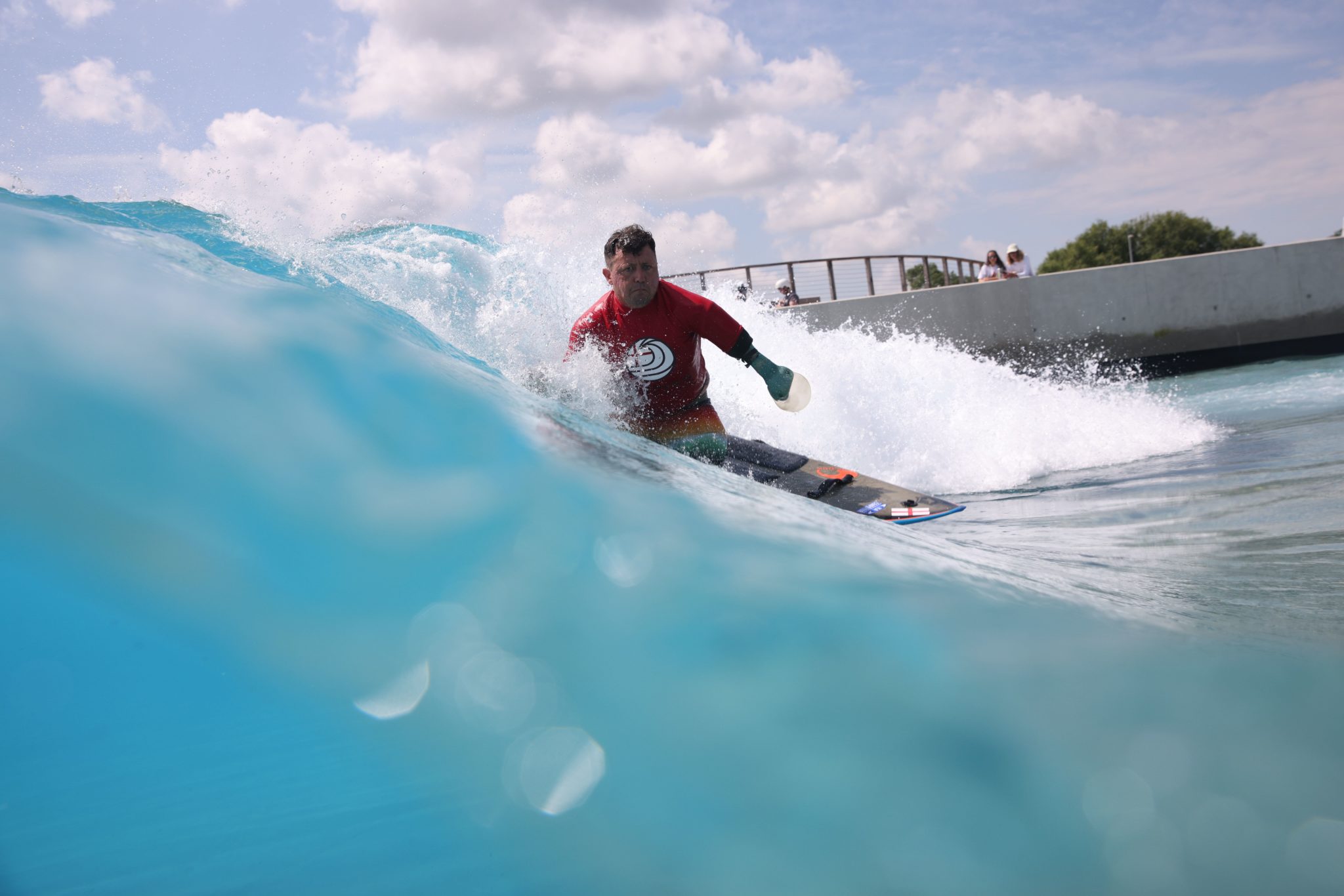
The Evolution of Adaptive Surfboards 2025
The world of para-surfing has moved far beyond “modified” longboards. We are entering an era of bespoke engineering where the board is an extension of the athlete’s unique physiology.
When we talk about adaptive surfboards 2026, we aren’t just talking about extra handles. We are talking about hydrodynamics tailored to physical diversity.
The International Surfing Association (ISA) has seen a massive surge in competition levels, and much of that is credited to the rapid iteration of board tech.
Why 2025 is a Watershed Year
The technology has finally caught up to the ambition of the athletes. For years, para-surfers had to settle for heavy, cumbersome modifications.
Now, carbon-fiber integration and AI-assisted shaping are standard. This year, the focus has shifted from “stability at all costs” to “performance without limits.”
The “Secret Feature”: Dynamic Variable Flex (DVF)
If you ask the pros what the most critical adaptive surfboard features para surfers can’t ignore are, they won’t say the grip or the seat.
They will tell you about Dynamic Variable Flex (DVF).
What is DVF?
Most surfboards have a static flex pattern. In 2026, top-tier adaptive boards use “smart” stringers that allow the board to remain stiff during the paddle-out but become highly flexible during a turn.
This allows a surfer with limited lower-body leverage to generate speed through “pumping” the board using only torso movements.

Why It’s a Career-Maker
Without DVF, a para-surfer is fighting the board’s natural buoyancy. With it, the board works with the water’s energy.
For a competitive athlete, this is the difference between a 4.5 and an 8.0 wave score. It allows for tighter turns in the pocket—something previously limited to able-bodied professional surfers.
Adaptive Surfboard Features Para Surfers Can’t Ignore
When shopping or shaping for the new season, there are non-negotiable elements that define a high-performance craft.
1. Ergonomic Recessed Decking
Standard boards are flat. Adaptive boards in 2026 feature deep “wells” or recessed decks.
This lowers the surfer’s center of gravity. Whether you are prone, kneeling, or seated, being “in” the board rather than “on” it provides a massive boost in lateral stability.
2. The Multi-Point Attachment System
Gone are the days of permanent, glassed-on handles. The best adaptive surfboards 2025 utilize modular tracks, similar to those found on high-end foiling boards.
Customizable Grip: Move handles based on the day’s swell.
Quick Release: Safety is paramount; these systems allow for rapid exit in the event of a wipeout.
Weight Distribution: Shift your seating position forward or back by millimeters to find the perfect trim.
Comparison: Traditional vs. 2025 Adaptive Boards
| Feature | Traditional Modified Board | Adaptive Surfboards 2025 |
| Material | Heavy PU Foam / Fiberglass | Ultra-light EPS with Carbon Wrap |
| Flex Control | Static (Stiff) | Dynamic Variable Flex (DVF) |
| Handles | Fixed / Drilled | Modular / Adjustable Tracks |
| Weight | 15–20 lbs | 8–12 lbs |
| Volume Distribution | Standard Taper | AI-Optimized for Specific Impairments |
The Role of AI in Shaping the Future
Modern shapers are now using 3D bio-mapping to design boards. By analyzing a surfer’s specific range of motion, software can predict exactly where the volume needs to be placed to ensure the board stays level.
This level of customization is why adaptive surfboards 2025 are seeing such high performance gains. It’s no longer about “making it work”; it’s about “making it win.”
Organizations like Surfing Australia are currently investing heavily in these research-backed designs to support their national para-teams.
The Impact on Prone Surfing (PS1 & PS2)
For prone surfers, the chest-to-board connection is everything. 2026 designs include “pressure-relief zones” made of high-density EVA foam.
These zones prevent skin breakdown and pressure sores during long sessions, allowing athletes to train harder and longer without injury.
Designing for Different Classes: A Deep Dive
Adaptive surfing isn’t a monolith. The gear must reflect the specific needs of the ISA Para Surfing Classifications.
Stand-Up (Upper/Lower Limb Impairment)
For those who stand, the focus of adaptive surfboards 2025 is on the “tail kick” and “rail shape.”
Thicker Rails: Provides more forgiveness during the drop-in.
Wide Tails: Offers a stable platform for those with balance challenges.
Seated and Kneeling (Waveski Hybridization)
The 2026 models are blurring the lines between traditional surfboards and waveskis.
They feature integrated foot-straps and lap-belts with magnetic “quick-release” buckles. These features ensure the surfer stays locked in during a barrel but can eject safely if things go south.
Sustainability in Adaptive Tech
As we move through 2025, the “green” revolution hasn’t skipped the adaptive community.
Many of the top adaptive surfboard features para surfers can’t ignore now include bio-resins and recycled carbon fiber.
Because many adaptive boards require more volume (and thus more material), using sustainable blanks is a major priority for the industry this year.

How to Choose Your 2026 Setup
Choosing an adaptive surfboard 2025 is a highly personal journey. Here is a step-by-step guide to finding your “Magic Board.”
Step 1: Define Your “Power Zone”
Where do you generate your strength? If it’s in your shoulders, you need a board with forward-weighted volume to help with the paddle. If it’s in your core, you can afford a more centered, high-performance rocker.
Step 2: Consider the “Secret Feature”
Do not overlook flex. Ask your shaper about the “stringer-less” carbon tech. If you are looking to move from intermediate to expert, DVF is the one feature that will transform your surfing.
Step 3: Safety First
Check the release mechanisms. In 2026, any board using straps or cages must have a secondary release system. High-visibility deck pads are also trending, helping water safety teams locate surfers in heavy whitewater.
The Psychology of High-Performance Gear
There is an emotional component to having the right equipment. When a para-surfer paddles out on a board that looks and performs like a “pro” board, their confidence skyrockets.
Adaptive surfboards 2026 are aesthetic masterpieces. They have moved away from the “medical device” look and toward the “high-performance vehicle” look.
This shift in design philosophy is inspiring a new generation of groms (young surfers) with disabilities to hit the water, knowing they won’t just be “participating”—they’ll be ripping.

Expert Insights: What the Pros Are Saying
We reached out to some of the leading voices in the industry to get their take on the 2026 trends.
“The weight reduction this year is the real story. Carrying a 20lb board to the water’s edge was a barrier for many. Now, we’re seeing 10lb boards with the same durability. It changes the entire experience before you even hit the water.” — Senior Strategist, Adaptive Surf Works
The “Hidden” Adaptive surfboard features para surfers can’t ignore
While we focus on the flash, the pros emphasize durability.
The salt water, the sand, and the constant mounting/dismounting of adaptive chairs can take a toll. The 2026 boards utilize “impact-resistant” rail tape—a small but vital feature that prevents dings during transitions.
FAQ: Everything You Need to Know About Adaptive Surfboards 2026
Q: Are adaptive surfboards more expensive than standard boards?
A: Generally, yes. Due to the specialized materials like carbon fiber and the custom shaping required, they can cost 30-50% more. However, many non-profits provide grants for this equipment.
Q: Can I use a standard surfboard as an adaptive board?
A: You can modify a standard board with handles and pads, but for competitive levels, the volume distribution of a dedicated adaptive board is necessary for safety and performance.
Q: What is the most important feature for a beginner?
A: Volume. You want a board that floats you high and stable. Look for “high-volume EPS foam” in the specs for adaptive surfboards 2025.
Q: How do I find a shaper who understands adaptive needs?
A: Look for shapers certified by para-surfing organizations or those who have worked with the ISA. Experience with “hydro-dynamic bio-mapping” is a huge plus.
Q: Is carbon fiber necessary?
A: It’s not “necessary” for beginners, but for intermediate and expert surfers, the weight-to-strength ratio of carbon fiber is a game-changer for maneuverability.
Conclusion: Catching the 2026 Wave
The evolution of the adaptive surfboard 2026 represents more than just better foam and fiberglass. It represents a global recognition of para-surfers as elite athletes who deserve elite technology.
The “Secret Feature”—Dynamic Variable Flex—is just the beginning. As we look forward, the integration of technology and human spirit continues to push the boundaries of what is possible in the ocean.
Whether you are looking to win a world title or simply feel the rush of your first wave, the right gear is waiting for you.
Don’t let the wrong board break your career before it starts. Invest in the tech that matches your ambition.
What’s Your Experience?
Have you tried the new DVF tech yet? Or is there a specific feature you’re still waiting for the industry to invent?
Share Now this article with your local surf community and let’s get the conversation started!