
Introduction
What if I told you that the most elite athletes in the world don’t just overcome obstacles—they re-engineer them?
Imagine a world where the word “impossible” is just a suggestion. A world where a mountain peak is accessible to a sit-skier, where the silence of a basketball court is broken by the rhythmic clashing of high-tensile metal, and where the water offers a weightless sanctuary for someone who spent their day in a chair.
This isn’t a dream of the future. This is the reality of adaptive sports for all abilities.

Whether you are a newcomer looking for a way to stay active, a veteran reclaiming your athletic identity, or a curious supporter, this guide is your roadmap to the vibrant, high-octane world of disability sports.
What Are Adaptive Sports for All Abilities?
To understand the power of this movement, we first have to strip away the misconceptions. Many people hear the term “adaptive” and think of it as a “lesser” version of sport.
In reality, adaptive sports for all abilities are often more technically demanding than their “standard” counterparts.
Defining the Terminology
The term “adaptive” refers to the modification of equipment, rules, or the environment to allow individuals with physical, visual, or cognitive impairments to compete.
Modification of Equipment: Using a handcycle instead of a standard bicycle.
Modification of Rules: Allowing two bounces in wheelchair tennis.
Modification of Environment: Using guide runners for athletes with visual impairments.
The Global Reach of Disability Sports
While the International Paralympic Committee handles the elite, professional end of the spectrum, the grassroots movement is where the heart of the community lies. Organizations like Move United have been instrumental in ensuring that local parks and recreation departments are equipped to handle diverse needs.
The Physical and Psychological Blueprint of Inclusion
Why do we play? For some, it’s the sweat. For others, it’s the scoreboard. But in the realm of adaptive sports for all abilities, the benefits run deeper than a trophy case.
The Physical Revolution
When a body moves, it heals. For individuals with spinal cord injuries, cerebral palsy, or amputations, specialized movement is a medical necessity disguised as a game.
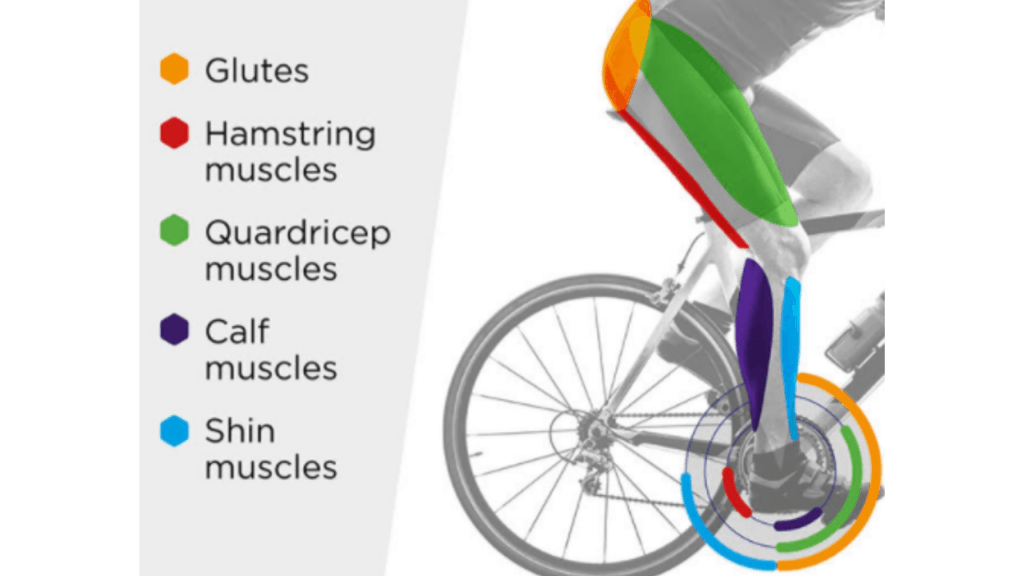
Cardiovascular Health: Many adaptive sports provide a rigorous aerobic workout that strengthens the heart and lungs.
Bone Density: Weight-bearing adaptive exercises (where possible) help combat the bone density loss often associated with seated lifestyles.
Neuroplasticity: Learning new complex movements, like those found in adaptive climbing or martial arts, creates new pathways in the brain.
The Mental Edge: Resilience and Autonomy
The psychological shift that occurs when an individual realizes they can still “play” is profound. It moves the identity from “patient” to “athlete.”
“Sport has the power to change the world. It has the power to inspire. It has the power to unite people in a way that little else does.” — Nelson Mandela
The Comprehensive Catalog: Finding Your Sport
There is no “one-size-fits-all” in disability sports. The beauty of this field is its sheer variety. Let’s explore the primary categories of adaptive sports for all abilities available today.
Team Sports: The Power of the Pack
If you crave the camaraderie of a locker room and the strategy of a playbook, team sports are your calling.
Wheelchair Rugby (Murderball): Don’t let the name scare you—or do. This is a full-contact sport played with specialized chairs designed to take a hit. It is high-strategy, high-impact, and incredibly addictive.
Sled Hockey: Players sit in a dual-blade sled and use two sticks to both propel themselves and shoot the puck. It requires immense upper-body strength and balance.
Sitting Volleyball: The net is lower, and the court is smaller. Players must keep at least one buttock in contact with the floor when hitting the ball. It’s faster and more reflexive than the standing version.
Individual Pursuits: Mastering the Self
For those who prefer the quiet discipline of individual achievement, the options are limitless.
Para-Archery: One of the oldest Paralympic sports. Modifications include specialized release aids for those with limited hand function.
Adaptive Surfing: Using modified boards (sometimes with “outriggers” or handles), surfers with disabilities tackle waves across the globe.
Wheelchair Fencing: The chairs are bolted to the floor, meaning there is no retreating. It is a game of pure speed, timing, and precision.
Adventure and Extreme Sports
For the adrenaline junkies, adaptive sports for all abilities have pushed into the wild.
Adaptive Mountain Biking (aMTB): Using three or four-wheeled off-road cycles, riders tackle the same technical trails as any other mountain biker.
Paragliding: With tandem instructors or specialized flight chairs, the sky is truly the limit.
Comparing Adaptive Sports: A Quick Reference Guide
Choosing a sport often depends on your specific goals. Are you looking for social time, or are you looking to shred calories?
| Sport Category | Intensity Level | Primary Equipment | Best For |
| Boccia | Low/Strategic | Leather balls, ramps | Fine motor skills & focus |
| Wheelchair Basketball | High/Aerobic | Sport wheelchair | Cardio & team social |
| Adaptive Rowing | Moderate/High | Fixed-seat boat | Total body conditioning |
| Para-Powerlifting | Extreme/Static | Bench press | Raw upper-body strength |
| Goalball | Moderate | Bell-ball, eye shades | Sensory development |
Engineering Inclusivity: The Technology Behind the Athlete
We cannot discuss adaptive sports for all abilities without talking about the “hardware.” The innovation in this sector often trickles down to benefit the general public.
The “Racing” Wheelchair
A standard wheelchair is built for stability and everyday movement. A racing chair is a feat of engineering. Made from carbon fiber or aircraft-grade aluminum, these chairs feature:
Longer wheelbases for straight-line stability.
Large, cambered wheels to allow for high-speed pushes.
Custom-molded seats that ensure the athlete is “one” with the machine.
Prosthetics: The Carbon Fiber Revolution
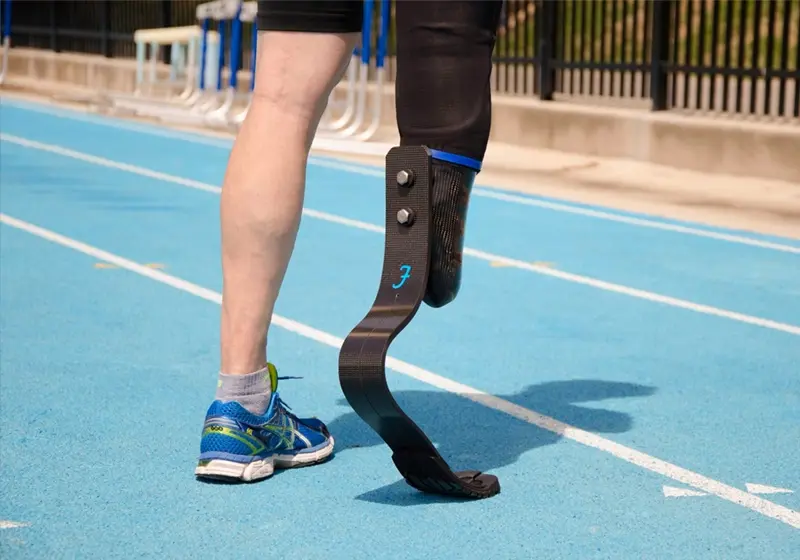
For runners, the “Cheetah” style blades have changed everything. These blades mimic the function of a biological foot/ankle, storing energy from the strike and releasing it to propel the runner forward.
How to Get Started: The “Ability First” Approach
Starting a new sport is daunting. For someone with a disability, there are extra layers of logistics. Here is a step-by-step roadmap to getting off the sidelines.
Step 1: The Medical “Check-In”
Before jumping into high-intensity disability sports, consult with a physical therapist or a doctor who understands your specific condition. They can help you identify which movements will be beneficial and which might require specific modifications.
Step 2: Search the Databases
You don’t have to reinvent the wheel. Use these authoritative resources to find a club near you:
Move United: The largest network of grassroots adaptive sports.
BlazeSports America: Focuses heavily on youth and veteran programming.
CAF (Challenged Athletes Foundation): Excellent for finding clinics and grant opportunities.
Step 3: Equipment Loans
Do not go out and buy a $5,000 racing chair on day one. Most adaptive sports clubs have a “loaner” closet. Try several different sports and different pieces of equipment before committing financially.

The Role of Coaching and Volunteering
You don’t have to have a disability to be part of the adaptive sports for all abilities world. In fact, the ecosystem relies on a dedicated network of coaches and volunteers.
Adaptive Coaching Certification
Coaching an adaptive athlete requires a deep understanding of physiology and “outside-the-box” thinking. Many coaches come from a kinesiology background, but many are simply former athletes who want to give back.
The “Ally” Athlete
In many recreational leagues, “able-bodied” players are encouraged to jump in a chair and play. This is known as reverse integration, and it’s one of the fastest ways to build empathy and community understanding.
Financial Accessibility: Breaking the Cost Barrier
One of the most significant hurdles in disability sports is the “Disability Tax”—the fact that specialized equipment can be incredibly expensive.
Grants and Funding
If you are serious about a sport, there are ways to fund your passion:
Challenged Athletes Foundation (CAF): They provide annual grants for equipment, travel, and competition expenses.
Kelly Brush Foundation: Focused on helping people with spinal cord injuries live active lives through equipment grants.
Local Lions/Rotary Clubs: Many local service organizations are eager to sponsor a local athlete’s equipment needs.
Frequently Asked Questions (FAQ)
What is the most popular adaptive sport?
Globally, wheelchair basketball is often cited as the most popular due to its established leagues and accessibility in schools and community centers.
Are there adaptive sports for people with visual impairments?
Absolutely. Goalball is a sport designed specifically for the blind and visually impaired. Other sports, like running and cycling, use “guides” who act as the athlete’s eyes through tethering or verbal cues.
Can I participate in adaptive sports if I have a temporary injury?
While most programs focus on permanent disabilities, many community-based adaptive sports for all abilities programs welcome anyone who needs a modified way to play during recovery.
How do I find a coach for adaptive sports?
The best way is to contact national governing bodies (NGBs) for the specific sport you are interested in (e.g., USA Paratriathlon) or check with local adaptive sports chapters.
Are adaptive sports Olympics televised?
Yes! The Paralympic Games are broadcast globally and have seen record-breaking viewership in recent years, proving that the world has a massive appetite for high-level disability sports.

Conclusion: Your Journey Starts with a Single Move
The world of adaptive sports for all abilities is not just about the game—it’s about the refusal to be defined by a diagnosis. It’s about the sweat, the grit, and the undeniable joy of movement.
Whether you want to climb a mountain, swim a mile, or just shoot hoops with your friends on a Tuesday night, the path is open. The equipment exists. The community is waiting.
The only question left is: Which sport will you choose?
Ready to find your game?
Share Now


