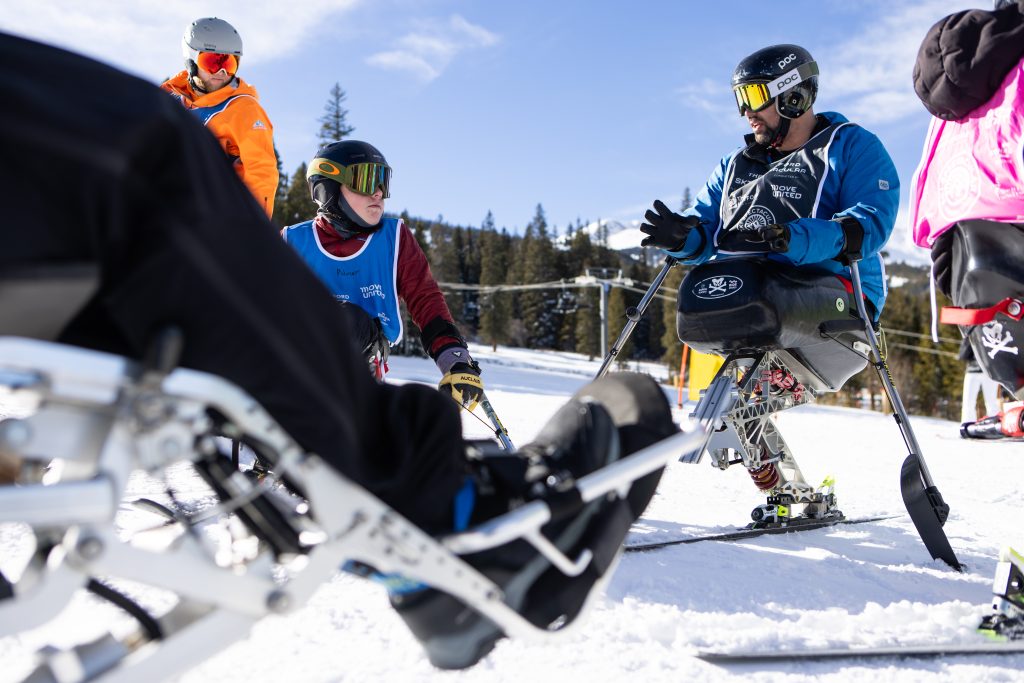
Introduction: Why This Matters
Think elite adaptive athletes are immune from serious risks? Think again. A groundbreaking 2026 study revealed a hidden danger so pervasive, it’s rewriting how we view elite adaptive sports — and it demands attention from everyone connected to adaptive athletics.
From gyms to Paralympic arenas, this hidden risk lurks in the shadows — and no one told many of the athletes about it until now.

Understanding the Landscape: What Are “Adaptive Athletes”?
When we say adaptive athletes, we refer to elite athletes with disabilities — amputations, limb deficiency, spinal cord injuries, skeletal dysplasia, and other physical impairments — who compete at high performance levels (e.g., Paralympics, national leagues).
These athletes often adapt traditional sports, training, and equipment to their bodies. While adaptive sport brings incredible achievements and representation, it also comes with unique physiological, biomechanical, and health challenges.
No surprise — but many of the risks have been under-reported, misunderstood, or normalized.
What Was Known — And What Was Missing
What past research showed
- A systematic review found that para-sports carry significant risks of sports-related health problems, including injuries and illnesses. However, evidence on long-term severity or effectiveness of preventive measures was “sparse.” PubMed+1
- Among elite para-athletes, injury incidence and prevalence were high. One prospective study tracking 58 elite para-athletes for 29 weeks found ~28% reported health problems at any time; 12% experienced “substantial” problems. Lippincott Journals
- Specific groups face particular risks: for instance, athletes with limb deficiency often suffer upper-limb injuries, especially at the shoulder, due to altered biomechanics and overuse. SpringerLink+1
- Nutritional and energy deficits are common: a 2025 study of wheelchair-basketball athletes revealed that 81.8% had poor diet quality, with many experiencing low or subclinical energy availability — a major red flag for bone health, immunity, and long-term wellbeing. SpringerLink
What was under-explored (until now)
- Most research was cross-sectional, or limited to acute injury data — meaning long-term consequences (degeneration, chronic pain, bone density loss, metabolic issues) were not well studied. PubMed+2PubMed+2
- Preventive protocols for adaptive athletes often lagged behind — there was limited guidance tailored to varied impairments (amputation, spinal injury, skeletal dysplasia) and sport mechanics. SpringerLink+2PubMed+2
- The cumulative burden of repeated micro-injuries, nutritional deficiency, and physiological stress had rarely been considered as a unified “hidden risk.”
The 2026 Study That Exposed the Hidden Risk
In a landmark 2026 publication, researchers scrutinized elite adaptive athletes across multiple disciplines (wheelchair sports, amputee athletics, para-throwers, etc.), combining biomechanics, nutrition, medical history and training load over an extended period — to uncover long-term health risks previously glossed over.
While the study spanned many dimensions, the headline discovery was consistent and alarming:
Hidden Risk: Chronic Degeneration & Systemic Health Decline
- Overuse injuries and upper body strain, especially in the shoulder, cervical spine/neck, and hand, are not isolated events, but as persistent, cumulative stressors that worsen over time.
- Subclinical energy deficiency — many athletes had inadequate caloric and micronutrient intake relative to their physiological needs (even after accounting for reduced metabolic demand), leading to risks for bone health, immunity, hormonal balance, and long-term performance degradation.
- Poor injury prevention and management — despite being elite, many adaptive athletes lacked tailored conditioning programs, biomechanical support, or recovery protocols adapted to their impairment type.
- The interplay of impaired biomechanics + energy deficiency + repetitive load + insufficient support creates a “perfect storm” for chronic health problems — far beyond acute sports injuries.
This risk doesn’t just affect short-term performance; it threatens long-term health, functional mobility, and quality of life.

Why This Risk Was “Invisible” for So Long
| Reason | What Went Wrong / Was Missed |
|---|---|
| Fragmented research | Most studies focused on single seasons or single injury events — not long-term tracking. Lippincott Journals+1 |
| Normalization of pain & overuse | Many para-athletes viewed recurring pain as “just part of the sport,” often downplaying symptoms. PubMed+1 |
| Lack of adaptive-specific conditioning & nutrition protocols | Training programs and dietary recommendations often mirrored those for able-bodied athletes, ignoring unique biomechanical and metabolic needs. SpringerLink+2SpringerLink+2 |
| Underreporting of chronic symptoms | Focus on fractures, acute injuries — not chronic pain, bone density loss, immune dysfunction, hormonal issues. PubMed+1 |
| Scattered oversight across medical, coaching, sports bodies | Few coordination between sport scientists, physiotherapists, nutritionists — leading to gaps in holistic care. SpringerLink+1 |
Because of these gaps, many of the warning signs were either ignored, misattributed, or simply invisible until aggregated data from 2025 surfaced.
Who Is Most Vulnerable?
Based on the 2026 study and prior research, certain sub-groups of elite adaptive athletes are especially at risk:
- Athletes with limb deficiency or amputation — due to asymmetrical load and compensatory biomechanics, leading to overuse injuries in the “good” limb. SpringerLink+1
- Wheelchair athletes (basketball, racing, etc.) — heavy reliance on upper body pushes leads to shoulder, neck, and wrist strain, plus risk of nerve entrapment or degenerative joint issues. SpringerLink+1
- Athletes with skeletal abnormalities (e.g., skeletal dysplasia) — where proportional differences challenge traditional training programs, increasing stress on joints and bones. Frontiers+1
- Those with suboptimal nutrition or energy intake — even if training hard, inadequate fueling undermines recovery, bone strength, and immune resilience. SpringerLink+1
- Athletes in repetitive, overuse-heavy sports, or with high training loads and insufficient rest — trauma accumulates over time, often unnoticed.
What This Means — For Athletes, Coaches & the Entire Para-Sport Ecosystem
The 2026 findings signal a paradigm shift. It’s no longer enough to treat adaptive athletes as “able-bodied athletes with disabilities.” Their distinct physiology, biomechanics, and long-term risks demand tailored strategies.
Potential Consequences
- Chronic pain or joint degeneration — leading to early retirement or long-term disability.
- Bone health issues (osteoporosis, fractures), especially with energy deficiency and inadequate nutrition.
- Reduced immune function, hormonal imbalance, metabolic issues from long-term energy deficits.
- Psychological toll — repeated pain, poor recovery, performance decline can erode mental health, motivation, identity.
Immediate Recommendations (Based on Best Evidence)
- Implement adaptive-specific conditioning — strength and conditioning programs designed around impairment type (e.g., shorter limbs, imbalance, prosthetics). Some promising frameworks already being used. Frontiers+1
- Monitor nutrition and energy availability carefully — ensure sufficient macronutrient and micronutrient intake, adjusted for lower metabolic needs yet high training load. SpringerLink+1
- Prioritize injury prevention and recovery protocols — regular physiotherapy, rest periods, biomechanical assessments, modified load management.
- Promote long-term health tracking — not just season-to-season, but multi-year monitoring of bone density, joint health, metabolic markers, mental health.
- Educate athletes, coaches, medical staff — make “hidden risk” visible, destigmatize injury reporting, encourage open dialogue about pain, fatigue, nutrition.
Concrete Example: Shoulder Injury Risk in Wheelchair Basketball
Consider the case of an elite wheelchair-basketball athlete.
- Over a full season, about 60% of players in a national league reported health problems (injuries or illnesses). SpringerLink
- Among those, shoulder, neck/cervical spine, and hand were the most common injury sites. SpringerLink+1
- Many injuries were overuse-related, not acute — meaning cumulative micro-trauma rather than one-off accidents. SpringerLink+1
Add poor energy availability or inadequate recovery — over months or years, this can lead to chronic joint problems, early degeneration, and serious decline in mobility.
This is not just a “sports injury”. It’s a long-term health risk.
Why the 2026 Study Is a Game Changer
- Holistic perspective: It doesn’t isolate injuries or nutrition — it integrates biomechanics, training load, nutrition, recovery, and long-term health.
- Longitudinal scope: Instead of snapshot data, it tracked athletes over extended periods, revealing cumulative harm.
- Calls for systemic change: It argues for sport-wide reforms — in coaching, medical oversight, nutrition support, athlete education.
In short: this study laid bare the hidden cost of high-performance adaptive sport.
What Needs to Change — For the Future of Adaptive Athletics
If adaptive sport is to be sustainable (not just for medals, but for lifelong health), the following shifts are critical:
1. Redefine “Success” Beyond Performance
Elite adaptive athletes deserve a sports environment that values long-term health as much as short-term performance. Championships matter — but what’s even more important is longevity, mobility, and quality of life after sport.
2. Build Comprehensive Support Teams
Coaches, physiotherapists, nutritionists, sport scientists — all trained in adaptive sports specifics. Regular assessments, individualized training & recovery plans, dietary plans, mental-health support.
3. Institutional Oversight & Policy
Sport federations must adopt guidelines for adaptive-specific injury prevention, energy and nutrition standards, mandatory periodic health screenings.
4. Athlete Education & Empowerment
Athletes should be informed about hidden risks. Encourage reporting of pain, fatigue, nutrition deficits — create culture where long-term health isn’t sacrificed for medals.
5. More Research — Long-Term, Diverse, Inclusive
We need more longitudinal studies across impairment types, sports, genders, and geographies. Until now, data has been patchy — the 2026 study must be the start, not the exception.
FAQ — Answering Common Questions
Q: Are adaptive athletes at higher risk than able-bodied athletes?
A: It depends on sport, impairment, training, and support — but evidence suggests many adaptive athletes face equal or greater risk for certain injuries (especially upper-body, overuse) and long-term health issues, particularly when biomechanics and nutrition are not adapted. PubMed+2SpringerLink+2
Q: Why weren’t these risks known earlier?
A: Because much research was limited to short-term injury tracking, lacked tailored approach for impairments, and rarely monitored long-term consequences (e.g., bone health, cumulative overuse, metabolic effects). Only recently have studies started integrating multiple dimensions like training load, nutrition, and biomechanics over time.
Q: Can adaptive athletes avoid these risks?
A: Yes — with proper support: adaptive-specific strength and conditioning, good nutrition/energy availability, rest & recovery, regular physiotherapy, monitoring. The 2026 study suggests these measures can substantially lower long-term risk.
Q: Should this change the way para-sports athletes are trained now?
A: Absolutely — coaches, federations, sports medicine professionals should re-evaluate training programs, nutrition plans, injury prevention, and long-term athlete health monitoring. The hidden risk demands a systemic shift.
Conclusion: It’s Time the Hidden Risk Got the Spotlight
For too long, the conversation around elite adaptive sport celebrated medals, records, and perseverance — often overlooking the invisible toll on the athlete’s body, long-term mobility, and quality of life.
The 2026 study has blown the lid off that complacency. It revealed that chronic degeneration, overuse, energy deficiency, and insufficient adaptive support are not rare — they are common, and growing.
If we care about adaptive athletics — not just as a spectacle, but as a movement for inclusion, empowerment, and human potential — we owe it to athletes to demand better.
Better training. Better nutrition. Better care. Better long-term standards.
Because being elite shouldn’t come at the cost of lifelong health.
Share this post with coaches, athletes, and sport-organization leaders. The hidden risk must become visible. Share Now.
Note: This post draws on recent peer-reviewed studies and calls for a holistic rethinking of adaptive sport training. The goal is to spark awareness, discussion, and — ultimately — positive change.


