Introduction

/i.s3.glbimg.com/v1/AUTH_da025474c0c44edd99332dddb09cabe8/internal_photos/bs/2022/6/y/mQ0dtTRoAVoD8nuNXyKg/morgan.jpeg)
The clock is ticking. Around the world, adaptive sports innovation is moving faster than ever — reshaping how athletes with disabilities train, compete, and inspire. Yet while technologies evolve, only a few individuals are pushing this transformation from inspiration to action. One of them is Ghanim Al-Muftah, a name that echoes far beyond Qatar.
Born with Caudal Regression Syndrome, Ghanim didn’t let his condition limit him. Instead, he used it as fuel to redefine what’s possible in sports, inclusion, and assistive technology. His story isn’t just motivational — it’s a blueprint for how adaptive sports innovation can create a more inclusive world.
In this post, you’ll explore how Ghanim’s journey aligns with the global push for adaptive sports technology, why the next wave of innovation is imminent, and what we can all learn from his leadership. By the end, you’ll understand why the time to act — and innovate — is now.
What Is Adaptive Sports Innovation?


Adaptive sports innovation goes beyond designing prosthetics or wheelchairs — it’s about transforming how sports are played, who can play them, and how technology bridges human potential with design.
At its core, it involves:
- Engineering adaptive equipment that enhances, not replaces, capability.
- Integrating sensors, AI, and data tracking to tailor performance for every athlete.
- Creating inclusive facilities that make competition and recreation equally accessible.
According to a Frontiers in Sports and Active Living study, physical activity dramatically improves mental and emotional well-being for individuals with disabilities. Yet, global participation rates remain low due to accessibility and cost barriers.
This is where innovation meets responsibility. Inclusive design isn’t just good ethics — it’s good engineering. And as we’ll see, Ghanim Al-Muftah’s influence has helped bridge awareness, advocacy, and technology into a single movement.
Why the Next Innovation Wave in Adaptive Sports Is Imminent
The coming years will mark a turning point for adaptive sports technology. We’re not just refining prosthetics — we’re witnessing a revolution driven by five major forces:
1. Technology Convergence
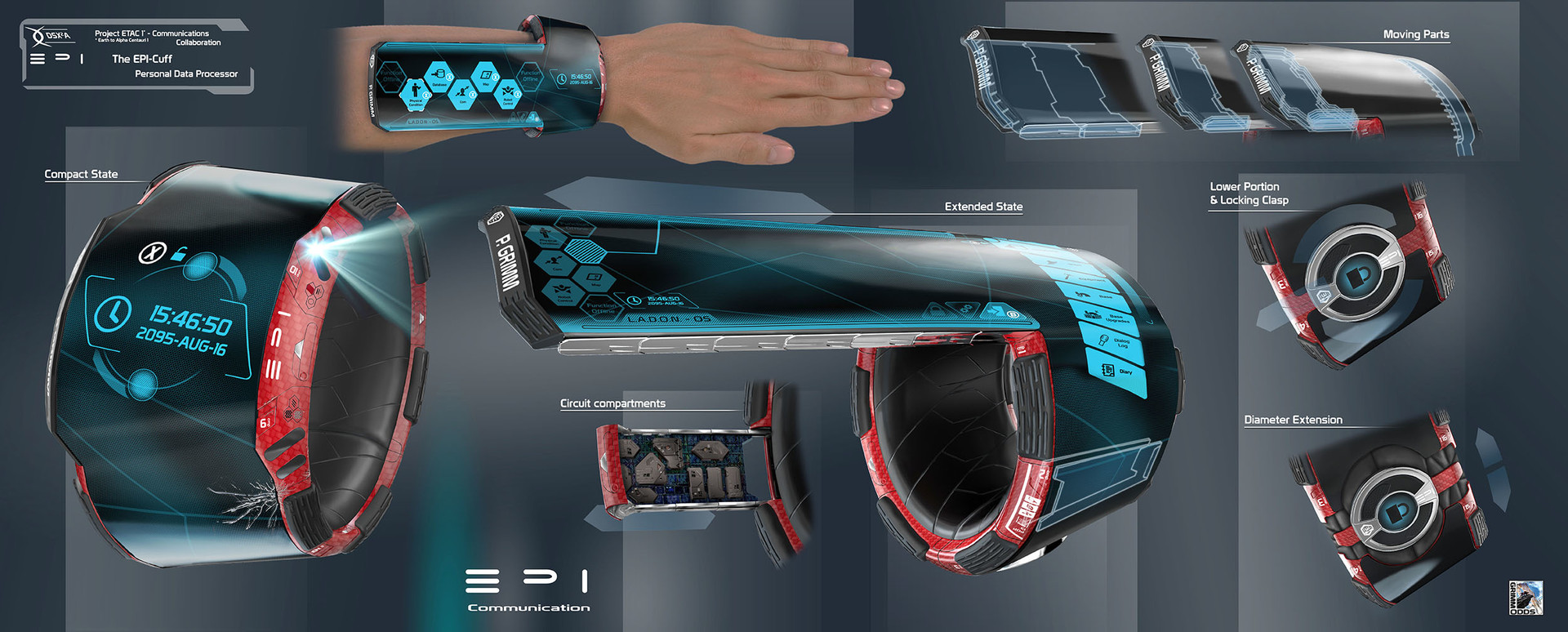
AI, robotics, and smart materials are merging. What used to be a “wheelchair” can now be a data-driven, self-balancing mobility platform. Smart prosthetics can measure muscle activity and respond in milliseconds. Companies like Össur and Ottobock are pioneering limbs that communicate with the nervous system — innovations that will soon define adaptive sports innovation worldwide.
2. Inclusion as Policy
Nations like Qatar, the UAE, and Japan have integrated inclusive design into their national visions. Qatar Foundation spearheaded projects ensuring that stadiums, transportation, and sports complexes meet world-class accessibility standards — showing that inclusion and technology can evolve side by side.
3. Social Storytelling
Social media amplifies visibility. Adaptive athletes like Ghanim Al-Muftah use platforms not just to inspire but to educate. Each post challenges stereotypes, proving that disability doesn’t mean inability.
4. Global Investment
According to a 2024 innovation report by Divan Centre Qatar, there’s a rising wave of grants and accelerator programs for adaptive sports startups — signaling that investors now see accessibility as a growth sector.
5. Urgency and Competition
The adaptive sports market is projected to double by 2030. Those who innovate early — designers, startups, nations — will define the future of inclusive sport. The clock, indeed, is ticking
Meet Ghanim Al-Muftah: A Symbol of Adaptive Sports Innovation


Ghanim Al-Muftah was born in 2002 with Caudal Regression Syndrome — a rare condition that affects the development of the lower spine. But rather than focusing on limitations, he turned his life into an example of innovation through resilience.
At just 16, he had already become a swimmer, climber, football enthusiast, and scuba diver. He modified sports equipment himself — wearing shoes on his hands to play football with friends.
His message to the world? “If you have willpower, you can achieve anything.”
Ghanim rose to international fame when he co-starred with Morgan Freeman during the 2022 FIFA World Cup Opening Ceremony — a defining moment that broadcast inclusion and adaptive ability to billions.
He now uses his platform to advocate for accessibility in sport, champion adaptive sports innovation, and collaborate with entities like Qatar Foundation to ensure inclusion becomes part of every major project.
His Impact in Numbers
| Metric | Description | Example |
|---|---|---|
| Visibility | Over 4 million social media followers | Global campaigns on disability inclusion |
| Representation | FIFA World Cup Ambassador | Introduced inclusive design narratives |
| Advocacy Projects | National accessibility awareness events | “Purple Saturday” campaigns in Qatar |
| Innovation Influence | Collaboration with assistive tech initiatives | Awareness for bionic and prosthetic solutions |
How Ghanim Al-Muftah Is Leading Adaptive Sports Innovation
Ghanim isn’t an engineer, yet his leadership in adaptive sports innovation is profound — because innovation often starts with empathy and vision.
1. Visibility as Influence
Through appearances on global stages, Ghanim transforms how the world perceives adaptive athletes. Every public moment — from mountain climbs to speaking engagements — reframes the narrative from “disabled” to differently abled innovators.
2. Advocacy Meets Design
He actively participates in discussions on accessible infrastructure and inclusive sport policy, urging policymakers to integrate accessibility into the DNA of sporting design. His advocacy has influenced initiatives like Qatar’s “Accessible 2022” framework, which retrofitted World Cup stadiums with adaptive features.
3. Collaboration With Innovators
Profiles of Ghanim highlight partnerships with assistive technology developers, particularly in bionic and adaptive mobility solutions. His experience provides real-world feedback for engineers — closing the gap between concept and human need.
4. Inspiring the Next Generation
Perhaps Ghanim’s biggest innovation contribution is motivational: showing young people with disabilities that sport isn’t off-limits. He mentors through speeches, school visits, and online engagement, nurturing a culture where adaptive sports innovation is not just a field, but a movement.
Case Study: Adaptive Sports Innovation in Qatar’s Accessibility Transformation
Before the 2022 FIFA World Cup, Qatar set out to create one of the most accessible sporting ecosystems in the world.
According to Qatar Foundation:
- The Supreme Committee for Delivery & Legacy built a cross-sector accessibility forum.
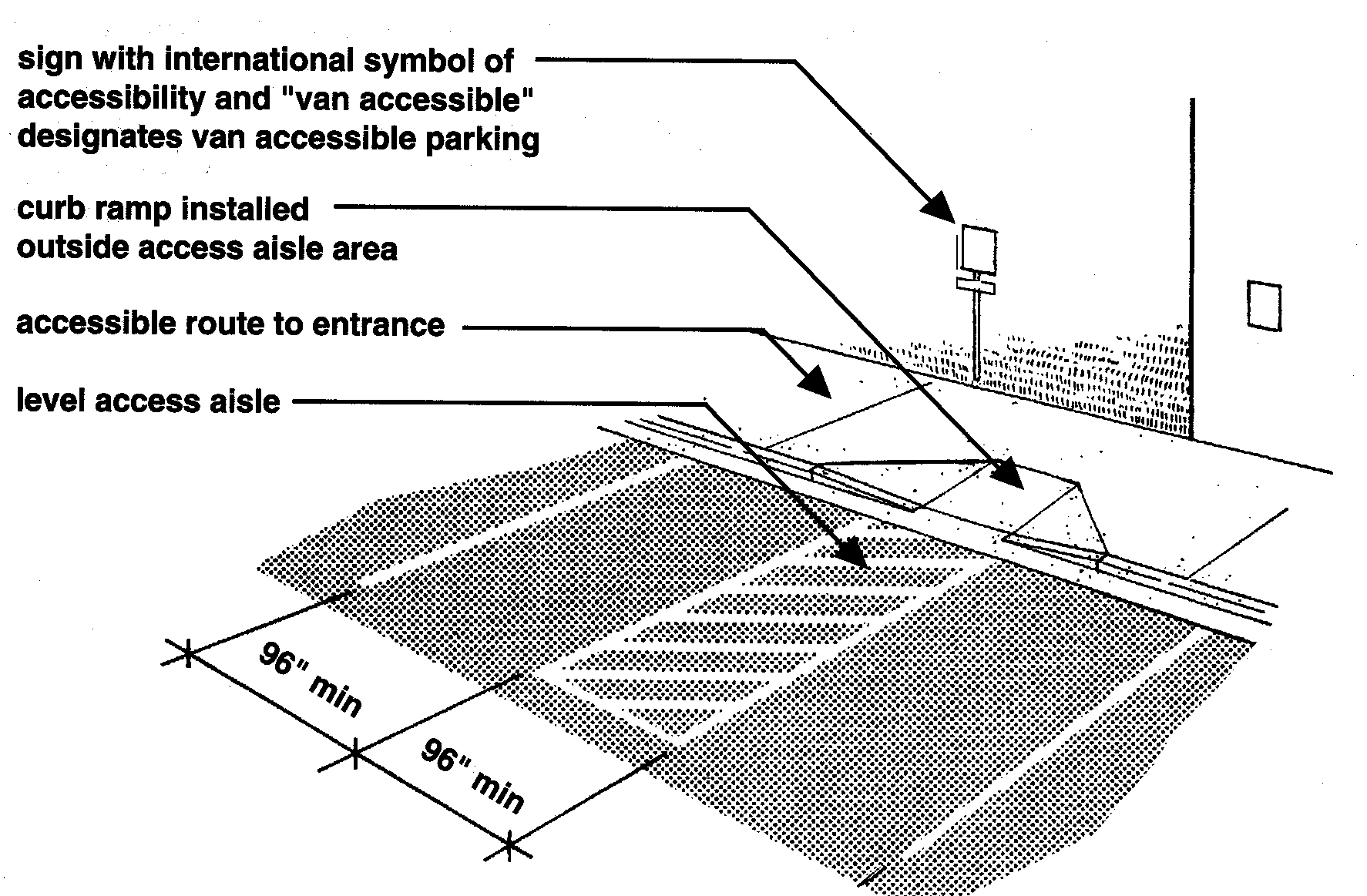
- Stadiums were designed with tactile guidance paths, accessible seating, and adaptive media systems.
- Transport networks incorporated low-floor buses and adaptive shuttles.
- Inclusive training centers provided adaptive equipment for athletes.
These advances set a new global benchmark. But the real catalyst came from voices like Ghanim’s, who reminded designers that inclusion is not a checklist — it’s a mindset.
Lessons From the Qatar Model
| Lesson | Explanation | Impact |
|---|---|---|
| Design With, Not For | Include adaptive athletes in every design stage | Results in more functional innovations |
| Tech + Culture = Progress | Hardware matters, but changing perception matters more | Encourages lifelong participation |
| Policy Integration | Accessibility baked into national projects | Sustainable inclusion beyond events |
Comparative Insights: Adaptive Sports Innovation Now vs. the Next Wave

| Category | Current State | Next Wave (2025-2035) |
|---|---|---|
| Equipment | Bespoke and costly adaptive gear | Modular, affordable, smart prosthetics |
| Facilities | Accessibility added post-design | Built with inclusive architecture |
| Technology | Basic sensors and analytics | AI-driven performance optimization |
| Narrative | Focus on therapy and limitation | Focus on competition and potential |
| Market Reach | Niche adaptive segment | Mainstream sports integration |
Key Takeaway: The difference between the “now” and the “next” lies in speed and inclusivity. The innovators who act today — inspired by advocates like Ghanim Al-Muftah — will define the playbook for the next decade
How Stakeholders Can Support Adaptive Sports Innovation
For Startups & Engineers
- Build with adaptive athletes, not for them.
- Prioritize affordability — innovation means nothing if it’s unreachable.
- Incorporate modular, 3D-printed components to democratize access.
For Sports Organizations
- Embed inclusivity into event design and staff training.
- Develop integrated tournaments rather than separate divisions.
- Collaborate with adaptive athletes to co-create inclusive training spaces.
For Policymakers
- Fund innovation hubs and inclusive tech accelerators.
- Provide tax breaks for companies advancing adaptive sports technology.
- Mandate accessibility audits for all national sports facilities.
For the Public
- Support adaptive events, share stories, and celebrate inclusive achievements.
- Encourage youth engagement — representation starts locally.
Technical Deep Dive: Inside the Future of Adaptive Sports Innovation
The next era of adaptive sports isn’t science fiction — it’s unfolding now.
Smart Prosthetics & Bionics
Bionic limbs with neural feedback allow adaptive athletes to “feel” and react like never before. Companies are already testing AI-enhanced prosthetics that self-calibrate during performance.
Wearable Tech & Data Analytics
Adaptive suits embedded with motion sensors provide real-time feedback. Data-driven coaching will soon tailor programs to each athlete’s unique biomechanics.
3D Printing & Localized Manufacturing
3D-printed prosthetics and wheelchair frames drastically cut costs, allowing local labs — even in developing regions — to produce custom adaptive gear.
Virtual & Augmented Reality
VR is reshaping rehabilitation and training. Adaptive athletes can simulate sports environments safely before performing in real-life events.
Universal Design Frameworks
Engineers are embracing “Design for All” — ensuring that every innovation benefits all bodies, not just adaptive athletes. Ghanim’s advocacy reinforces that inclusion is not a feature — it’s the foundation of progress
How You Can Join the Movement
Ghanim Al-Muftah’s story is a reminder that innovation starts with intention. You don’t need to invent the next prosthetic limb to make an impact — you only need to take action.
Here’s how to join the adaptive sports innovation movement today:
- Educate Yourself — Follow inclusive sports forums, tech expos, and adaptive athlete networks.
- Collaborate — Designers, engineers, and athletes thrive when they co-create solutions.
- Advocate — Push for accessibility in local sports clubs and events.
- Invest — Support startups or initiatives focused on adaptive and assistive technologies.
- Share Stories — Amplify voices like Ghanim’s to normalize inclusion and innovation.
Time is moving fast. The next wave of adaptive sports innovation isn’t waiting — it’s forming now. The question is: will you watch it happen, or help shape it
Conclusion
The world is entering a defining decade for adaptive sports innovation — one where inclusion, performance, and technology converge. At the heart of this transformation stands Ghanim Al-Muftah, proving that innovation isn’t just about devices; it’s about vision.
His journey shows us that true progress comes from blending empathy with invention, resilience with research, and humanity with hardware. As athletes, designers, and dreamers unite across disciplines, a new sports culture emerges — one that no longer separates ability from opportunity.
The clock is ticking. The innovation wave is rising.
And, as Ghanim Al-Muftah reminds us, the only limits worth acknowledging are the ones we choose to break.