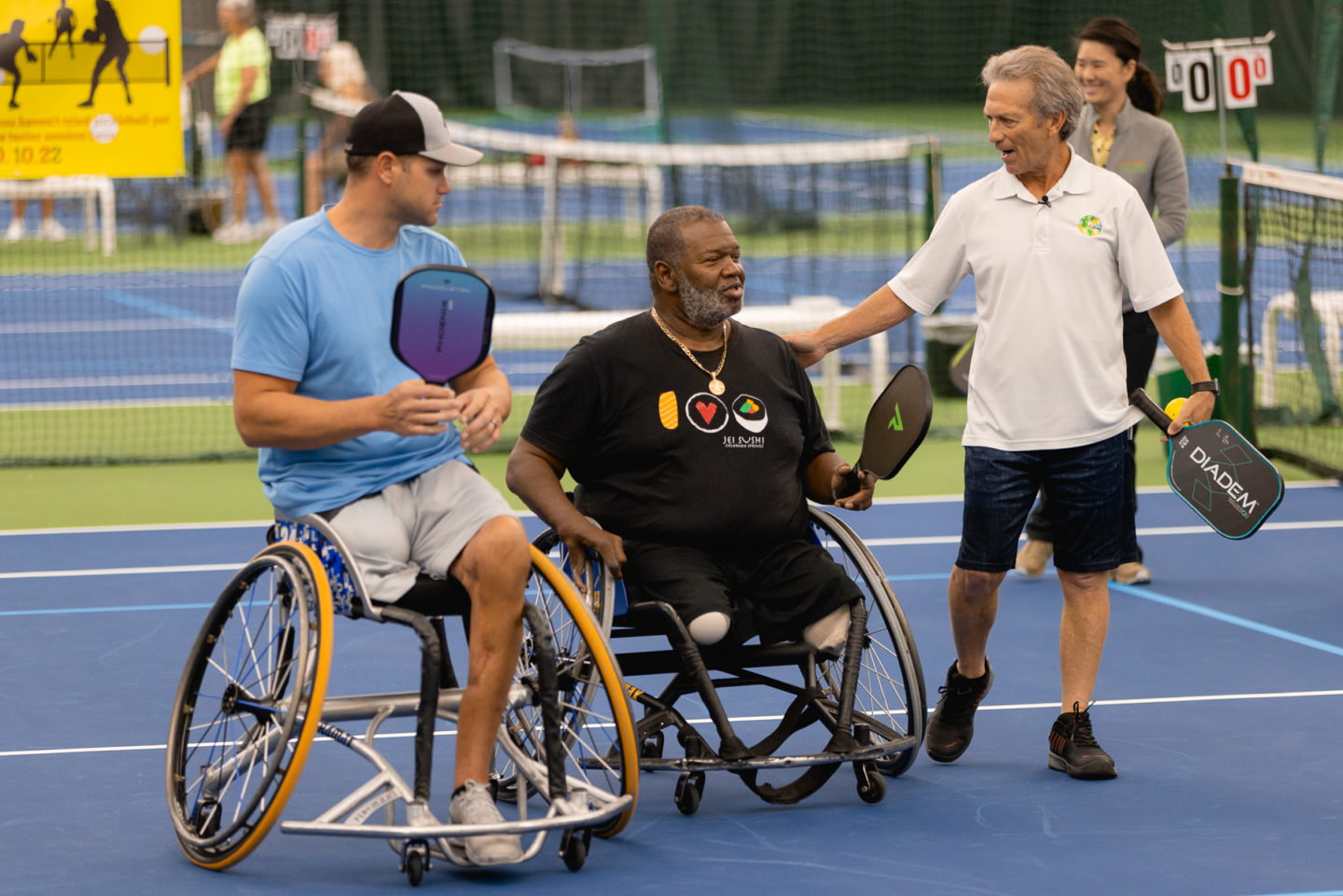
Introduction: The Rise of the Shattering Limits Adaptive Athlete


In the world of inclusive sports, one type of athlete is capturing attention and rewriting the rules: the shattering limits adaptive athlete. These athletes are not just participating—they are redefining what is possible, pushing boundaries, and inspiring everyone around them. Coaches, trainers, rehabilitation specialists, assistive technology developers, inclusive sports organisations, and policymakers are all seeing the impact of these trailblazers.
From elite competitions to cutting-edge adaptive technologies, the journey of a shattering limits adaptive athlete demonstrates how resilience, innovation, and determination can transform not only personal performance but the entire ecosystem of inclusive sports.
What It Means to Be a Shattering Limits Adaptive Athlete
A shattering limits adaptive athlete is someone who goes beyond merely participating in sports. These athletes:
Compete at elite levels, often breaking records previously considered impossible.
Inspire systemic change in training, rehabilitation, and assistive technology.
Push the boundaries of inclusive sports, proving that disability does not define ability.
According to Accessiway, “Athletes with disabilities have rewritten the history of sports … their determination … shattered every limit.”
Why the Ecosystem Should Pay Attention
Coaches & Trainers
For coaches and trainers, the rise of shattering limits adaptive athletes signals that training protocols must evolve. It’s no longer enough to ensure participation; elite performance requires:
Adaptive-specific techniques
Data-driven training
Collaboration with rehabilitation specialists and assistive technology developers
Rehabilitation Specialists & Therapists
These professionals see adaptive athletes as clients who require:
Sport-specific rehabilitation
Injury prevention strategies tailored to unique stress patterns
Coordination with coaches to transition from recovery to high performance
Assistive Technology Developers
Innovation drives performance. Developers must focus on:
Lightweight, high-performance prosthetics
Sport chairs and adaptive equipment optimized for speed and stability
Co-designing solutions with athletes and coaches
Inclusive Sports Organisations & Policymakers
The rise of these athletes highlights the need for:
Funding elite adaptive sport programs
Integrating adaptive athletes into mainstream competitions
Establishing clear policies and classifications
Spotlight: A Shattering Limits Adaptive Athlete
One of the most celebrated examples is Tatyana McFadden, a wheelchair racer born with spina bifida. Adopted into the U.S., she became one of the most decorated Paralympians in history, winning multiple major marathons, including Boston, London, Chicago, and New York.
Her advocacy also led to significant legal changes in her home state, improving access for other adaptive athletes. (The Guardian)
Tatyana’s journey perfectly illustrates the traits of a shattering limits adaptive athlete: elite performance, advocacy, innovation, and inspiring the broader sports ecosystem.
Dimensions of Shattering Limits
1. Mindset & Identity Transformation
Shift from “I’m participating” to “I’m competing to win.”
Reframe disability as a difference, not a deficit.
Cultivate self-perception as an elite competitor.
2. Training & Performance Innovation
Custom training plans: strength, conditioning, sport-specific skills
Integration of assistive devices for maximum performance
Use of wearable tech and motion capture for analytics
Setting benchmark goals (records, personal bests, multi-sport performance)
3. Technology & Engineering Integration
Prosthetics and adaptive gear designed for performance
Sport chairs optimized for speed, ergonomics, and stability
Sensors and feedback systems to enhance training
4. Inclusive Sport System & Organisational Change
Pathways from rehabilitation to elite sport
Funding and access to equipment
Visibility and representation in media and sponsorships
5. Research, Education & Policy
Evidence-based adaptive training protocols
Education for coaches, therapists, and PE instructors
Policies supporting access, classification, and fairness
Comparison Table: Traditional vs. Shattering-Limits Adaptive Athlete Programs
| Dimension | Traditional Adaptive Athlete Programme | Shattering-Limits Adaptive Athlete Programme |
|---|---|---|
| Mindset | Participation-focused | Elite performance-focused |
| Training Approach | General physical activity | Sport-specific, data-driven |
| Assistive Technology | Basic adaptation | Custom-engineered, performance-optimized |
| Coach/Trainer Role | Supportive | High-performance, collaborative |
| Athlete Pathway | Recreation → Local events | Rehab → Competitive → Elite |
| Organisational Integration | Separate adaptive sport programs | Fully integrated inclusive environment |
| Research & Metrics | Participation/health outcomes | Biomechanics, performance metrics, innovation |
| Funding & Sponsorship | Limited adaptive-only funding | Mainstream sponsorship, sports tech investment |
| Policy & Advocacy | Access-focused | Equity, elite opportunity, innovation |
Why This Matters
For Coaches & Trainers
Upskill in adaptive biomechanics and equipment integration
Adopt performance-first mindset
For Rehabilitation Specialists
Transition athletes from rehab to elite sport
Proactively manage sport-specific injury risks
For Assistive Technology Developers
Co-design equipment with athletes and coaches
Focus on performance optimization
For Organisations & Investors
Invest in elite adaptive athletes and adaptive sports tech
Integrate adaptive sport into mainstream programming
For Policymakers & Educators
Ensure inclusive pathways from school to elite sport
Fund adaptive PE and athlete development programs
For Accessibility Advocates
Promote visibility, representation, and elite recognition
Key Stories & Data
Tatyana McFadden: Over 20 major marathon titles in wheelchair racing (Olympics)
Marlon Shirley: First below-knee amputee to run 100m under 11 seconds (Wikipedia)
Accessiway highlights multiple world records by adaptive athletes, showing limits being shattered.
Building a Program for Shattering Limits Adaptive Athletes
Steps for Coaches & Trainers
Baseline assessment: physical, biomechanical, adaptive-tech capabilities
Set performance goals: podium finishes, personal bests
Design adaptive-specific training: sport chairs, prosthetics, compensation techniques
Integrate data and monitoring: wearable sensors, motion capture
Mental resilience training: identity, classification, external perception
Steps for Rehabilitation Specialists
Align rehab with sport performance goals
Address secondary conditions from adaptive sports
Collaborate with coaches for continuous improvement
Steps for Assistive-Tech Developers
Co-design with athletes
Prioritize lightweight, performance-optimized gear
Ensure regulatory compliance
Steps for Organisations & Investors
Create talent identification pathways
Fund elite adaptive athletes and tech start-ups
Promote media visibility
Steps for Policymakers & Educators
Provide adaptive PE programs
Fund scholarships, competitions, and innovation
Standardize classification systems
Steps for Accessibility Advocates
Promote elite representation
Advocate for infrastructure and gear access
Shift public perception to ability-focused storytelling
Challenges and Mitigation
| Challenge | Mitigation Strategy |
|---|---|
| Equipment & Funding Gap | Sponsorships, grants, adaptive-tech innovation |
| Coach & Trainer Expertise | Education programs, mentorship networks |
| Social/Identity Barriers | Role models, visibility campaigns |
| Classification & Fairness | Transparent systems, athlete education |
| Integration into Mainstream Sport | Inclusive events, media coverage, sponsorship |
The Future of Inclusive Sport
Innovation-Driven Growth: Next-gen adaptive gear and analytics
Broader Pathways: From rehab to elite performance
Policy & Education Evolution: Frameworks supporting elite adaptive athletes
Societal Attitude Shift: Disability viewed through ability and achievement
Market Expansion: Events, sponsorships, adaptive sports tech startups
Checklist for Supporting Shattering Limits Adaptive Athletes
Define performance goals
Assemble ecosystem team: coaches, therapists, engineers
Audit assistive gear
Rewrite training plans for excellence
Develop visibility & advocacy campaigns
Monitor performance and injury data
Ensure organizational and policy support
Educate stakeholders
Establish feedback loops
Celebrate milestones
Conclusion: Why You Should Care
The rise of the shattering limits adaptive athlete is transformative. For coaches, rehab specialists, tech developers, investors, policymakers, educators, and advocates, this movement:
Elevates training and performance standards
Drives innovation in adaptive technology
Expands pathways from participation to elite sport
Shifts societal perceptions of disability
Creates growth opportunities for inclusive sports markets
Athletes like Tatyana McFadden exemplify how one person can shatter limits, change the game, and inspire an entire ecosystem.


