
Introduction
Imagine the roar of the wind as you slice through the water on a monoski, or the rhythmic squeak of tires on a hardwood floor during a high-stakes game of wheelchair basketball. For too long, the sidelines were the only option for many—but today, the field of play is wide open.
Adaptive sports aren’t just about “staying active”; they are a radical act of reclaiming agency, defying expectations, and building a life without limits. Whether you are a newcomer exploring your options or a seasoned athlete looking to level up, understanding the benefits of adaptive sports for people with disabilities is the first step toward a total lifestyle transformation.
The New Frontier of Human Potential
The world of athletics is undergoing a massive transformation. We are moving away from the “one-size-fits-all” approach to fitness and toward a world where technology and community spirit combine to make every sport accessible.
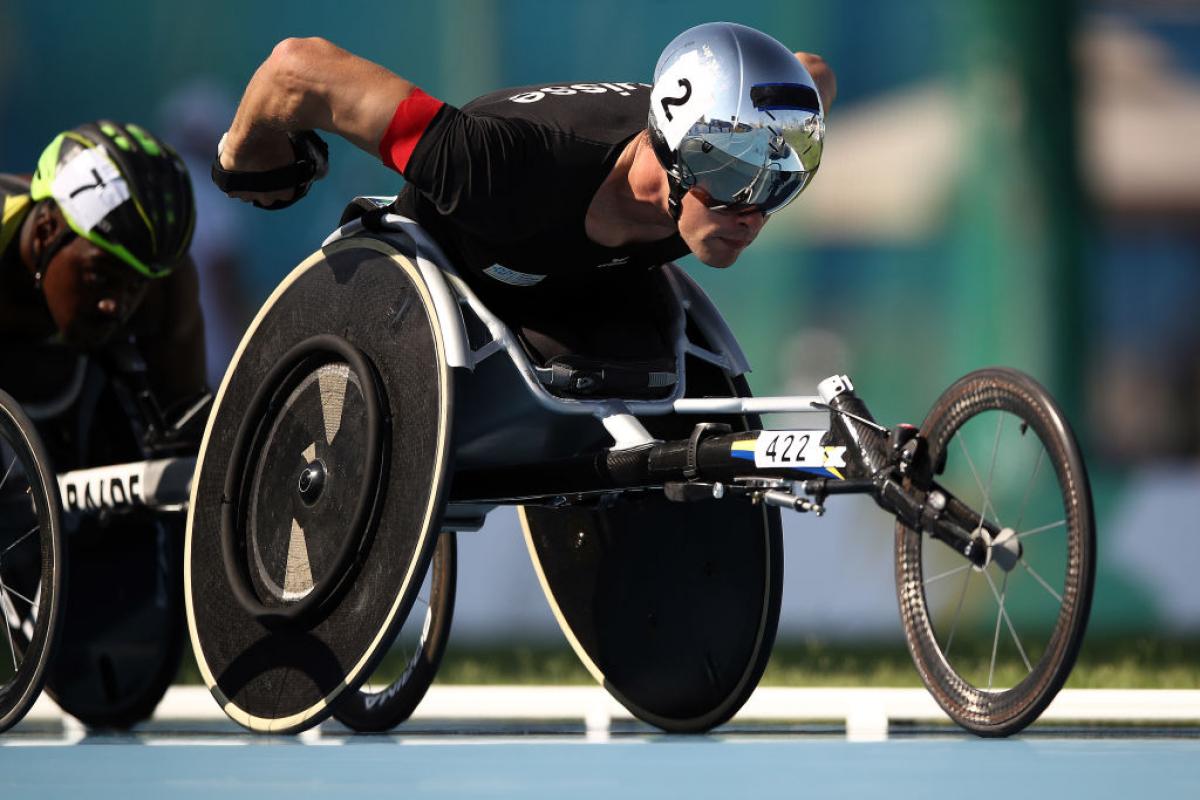
From the high-tech engineering of a racing wheelchair to the simple modification of a bowling ramp, these programs are rewriting the script on what is possible. It is no longer about what a person cannot do, but how we can adapt the environment to showcase what they can achieve.
What Exactly Are Adaptive Sports?
At its core, adaptive sports are competitive or recreational sports for people with disabilities. These often parallel “typical” sports but use modified equipment or rules to meet the unique needs of the participants.
From the global stage of the Paralympics to local community programs in city parks, the goal remains the same: excellence, empowerment, and the pursuit of a higher quality of life.
1. Physical Transformation: Beyond the Basics
When discussing the benefits of adaptive sports for people with disabilities, the conversation usually starts with physical health. But this isn’t just about “getting steps in.”
For individuals with spinal cord injuries, limb loss, or sensory impairments, physical activity is a vital component of long-term survival and independence.
Cardiovascular Health and Muscle Tone
Adaptive sports provide a rigorous cardiovascular workout that improves heart health and builds lean muscle mass. This is particularly crucial for those who may have sedentary lifestyles due to mobility challenges.
According to the Mayo Clinic, regular physical activity is essential for preventing secondary conditions like heart disease and type 2 diabetes, which can be more prevalent in the disability community due to lower baseline activity levels.
Improved Motor Skills and Coordination
Sports like adaptive archery or seated volleyball require intense focus and fine motor control. Over time, these activities improve hand-eye coordination and spatial awareness.
These skills translate directly into better performance in daily life tasks, such as navigating a power chair through a tight doorway or managing personal care with greater dexterity.
2. Mental Resilience: The Psychology of a Champion
The mental health benefits of adaptive sports for people with disabilities are perhaps even more profound than the physical ones. Transitioning to a life with a disability—or growing up with one—often involves navigating a world that wasn’t built for you.
Boosting Self-Efficacy
Sports teach you that you can overcome obstacles. When you master a difficult maneuver on the tennis court, that sense of “I can do this” spills over into your career, your education, and your personal relationships. This psychological trait is known as self-efficacy, and it is the bedrock of a successful, independent life.
Stress Reduction and the “Endorphin High”
Physical exertion releases endorphins—the body’s natural feel-good chemicals. For those dealing with chronic pain or the mental fatigue of navigating accessibility hurdles, the “runner’s high” found in adaptive rowing or swimming is a powerful, natural antidepressant.
“Sport has the power to change the world. It has the power to inspire. It has the power to unite people in a way that little else does.” — Nelson Mandela
3. Social Inclusion Through Adaptive Sports
Loneliness is a modern epidemic, but for the disability community, social isolation can be particularly acute. This is where social inclusion through adaptive sports becomes a total game-changer.
Finding Your Tribe
When you join an adaptive team, you aren’t just an athlete; you’re a teammate. You find a group of people who “get it.” These spaces allow for the organic exchange of “life hacks”—everything from the best accessible travel destinations to tips on managing specialized medical equipment.
Shifting Public Perception
When the public sees athletes competing at high levels, it shatters outdated stereotypes. It replaces “pity” with “awe” and “exclusion” with “belonging.” Sports provide a common language that bridges the gap between the disabled and non-disabled world.

Comparing Traditional vs. Adaptive Sports
To better understand how these programs work, let’s look at the specific modifications that make these sports accessible and how they compare to their traditional counterparts.
| Feature | Traditional Sports | Adaptive Sports |
| Primary Goal | Competition & Fitness | Competition, Fitness & Empowerment |
| Equipment | Standard (Cleats, balls) | Specialized (Racing chairs, sit-skis) |
| Rule Sets | Universal Standards | Modified (e.g., 2-bounce rule in tennis) |
| Community Support | Varies by sport | Central (Strong peer-to-peer mentoring) |
| Accessibility focus | Minimal/Incidental | Core Requirement |
4. Enhanced Independence and Functional Mobility
One of the most practical benefits of adaptive sports for people with disabilities is the improvement in “activities of daily living” (ADLs). The strength gained on the court makes the world outside the court much smaller.
Transfer Skills and Balance
In sports like wheelchair rugby, athletes are constantly moving, reaching, and balancing. This improves their “transfer skills”—the ability to move from a wheelchair to a car seat, a bed, or a shower chair—without needing third-party assistance.
Respiratory Function
For those with higher-level spinal cord injuries or muscular dystrophy, sports that increase the heart rate also help strengthen the diaphragm and improve lung capacity. This leads to a stronger voice, more energy throughout the day, and a lower risk of respiratory infections.
5. Cognitive Development and Strategic Thinking
Adaptive sports are a “thinking person’s game.” Because the physics of movement might be different, athletes must develop unique strategies to outmaneuver opponents.
Spatial Reasoning: Navigating a court in a chair requires advanced spatial awareness and the ability to predict trajectories.
Quick Decision Making: Fast-paced sports like “murderball” (wheelchair rugby) require split-second tactical shifts.
Focus and Patience: Precision sports like air rifle or boccia demand a level of meditative focus that sharpens the mind for academic or professional tasks.
Many athletes report that the discipline required for sport directly improves their time management and professional productivity.
6. Goal Setting and Personal Achievement
There is nothing quite like the feeling of crossing a finish line or scoring a goal. For many people with disabilities, society often focuses on what they can’t do. Adaptive sports pivot the focus entirely to what they can achieve.
The Power of “Small Wins”
Adaptive sports allow for incremental goal setting. Maybe this week you paddled 100 meters, and next week you’ll aim for 200. These small wins build the momentum needed to tackle larger life goals, such as returning to school or seeking a promotion at work.
According to research shared by Move United, individuals who participate in adaptive sports are significantly more likely to be employed and report higher levels of life satisfaction than those who do not.

7. The Joy of Adventure: Reclaiming the Outdoors
Adaptive sports aren’t limited to the gym or the track. They open up the entire world. From adaptive surfing in Hawaii to sit-skiing in the Alps, the “great outdoors” is no longer off-limits.
Connection with Nature
Being in nature has been scientifically proven to lower cortisol levels. Adaptive hiking (using all-terrain wheelchairs) or adaptive kayaking allows individuals to experience the serenity of the wilderness, providing a spiritual and emotional reset that is hard to find in an urban environment.
Breaking the “Homebound” Cycle
For those who struggle with mobility, it’s easy to become stuck at home. Adaptive sports provide a compelling reason to get out, explore new terrains, and travel to new cities for competitions.
Adaptive Sports Across the Lifespan
Whether you are five or seventy-five, the benefits of adaptive sports for people with disabilities are accessible.
For Children
Sports help children with disabilities develop social skills and physical confidence during their most formative years. It prevents them from feeling “different” in a negative way and highlights their unique strengths.
For Adults and Seniors
For those who acquire a disability later in life, adaptive sports are a key part of the rehabilitation process. It helps seniors maintain bone density and cognitive function, warding off the effects of aging and secondary health complications.

FAQ: Everything You Need to Know
What are the most popular adaptive sports?
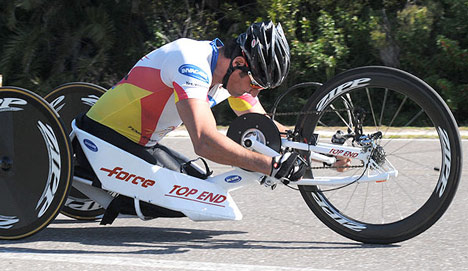
The most popular include wheelchair basketball, para-swimming, handcycling, wheelchair tennis, and adaptive rowing. However, almost any sport can be adapted!
How do I find adaptive sports programs near me?
You can search for local chapters of organizations like Move United or the Special Olympics. Many local recreation departments and rehabilitation hospitals also host “Try It” days.
Is adaptive sports equipment expensive?
While specialized equipment like custom racing chairs can be expensive, many local clubs provide loaner equipment for members. There are also numerous grants available from foundations to help athletes purchase their own gear.
Can people with non-physical disabilities participate?
Absolutely. Adaptive sports cater to individuals with visual impairments, hearing loss, autism, and intellectual disabilities through modified communication, sensory-friendly environments, and specialized coaching.
How does social inclusion through adaptive sports work?
It works by creating a shared space where the focus is on ability and teamwork rather than limitations. It fosters peer-to-peer mentoring and provides a platform for advocacy and visibility.
Conclusion: Step Off the Sidelines
The benefits of adaptive sports for people with disabilities go far beyond the scoreboard. They are about health, heart, and the unshakeable human spirit. Whether you are looking to compete at a professional level or just want to enjoy a Saturday morning game with friends, the world of adaptive sports is waiting for you.
Don’t let the fear of the unknown keep you from the starting line. Every champion started with a single step—or a single roll. Reclaim your health, find your community, and discover what you are truly capable of.
Ready to find your sport?
Read More: Urgent Breakthrough Research Every Adaptive Sports Fan Needs to Know
Share this post now to inspire someone in your community to get active!


