
Introduction

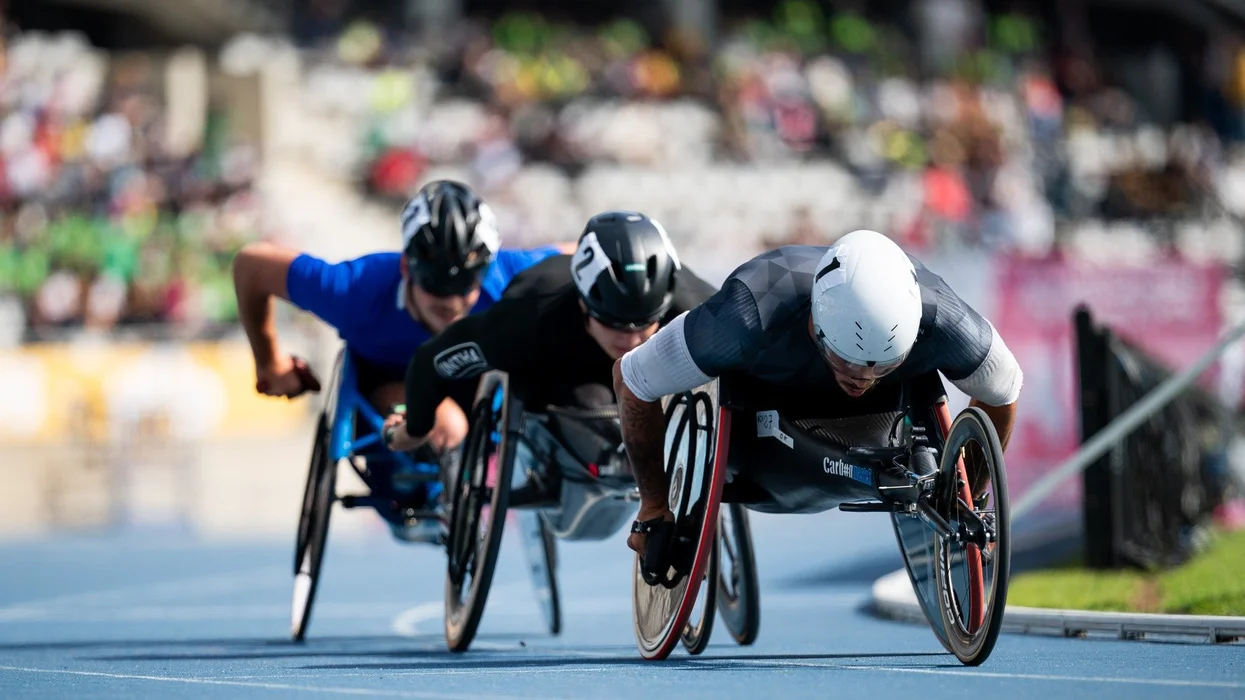
In the fast-evolving world of athletics, adaptive sports research is redefining what it means to compete, perform, and include. Once viewed as a niche branch of sports science, this field now drives groundbreaking innovation—where engineering, data, and human resilience converge. From AI-powered prosthetics to 3D-printed wheelchairs and biomechanical analysis for para-athletes, adaptive sports research is breaking new barriers every season.
But here’s the urgent truth: the pace of discovery is accelerating faster than most people realize. These new studies aren’t just improving performance—they’re reshaping how we think about access, fairness, and human potential in sport. Whether you’re an athlete, coach, policymaker, or technologist, understanding these breakthroughs is no longer optional. It’s the key to staying ahead in the next era of athletics.
Understanding Adaptive Sports Research
Adaptive sports research explores how innovation and inclusivity intersect to create athletic opportunities for everyone—regardless of physical ability. It’s more than just modifying equipment or rewriting rulebooks; it’s a scientific movement focused on designing fair, data-driven, and high-performing solutions for diverse athletes.
Why Adaptive Sports Research Matters
Equal Access to Performance: With adaptive technologies, athletes once excluded due to physical limitations can now compete and excel. Yet globally, only around 10% of people who need assistive devices have access (sportanddev.org).
Performance Meets Innovation: Adaptive sports labs now use artificial intelligence, motion sensors, and advanced materials to optimize biomechanics for each athlete.
Changing the Narrative: Adaptive sports research shifts the focus from accommodation to empowerment, making inclusion synonymous with elite performance.
🔹 Key Areas of Focus
| Research Area | Example Technologies | Impact on Athletics |
|---|---|---|
| Assistive Equipment Design | Custom 3D-printed prosthetics, adaptive racing wheelchairs | Increases comfort, precision, and sport-specific performance |
| Motion Analysis & AI | Pose-estimation and 3D motion tracking (mdpi.com) | Enhances training precision for adaptive athletes |
| Accessibility & Inclusion Systems | Campaigns, policies, and tech access programs | Expands participation and representation in athletics |
Adaptive sports research is more than a scientific field—it’s a movement toward equal opportunity in competitive sport.
Urgent Research Findings in Adaptive Sports Research
Let’s explore some of the most transformative studies shaping the future of athletics.
1. AI-Driven Biomechanics for Para-Athletes
A 2025 study on Boccia athletes used OpenPose, ViTPose, and Lifting algorithms to capture seated motion with high precision. ViTPose achieved an 85% detection accuracy—boosting training outcomes for adaptive athletes (mdpi.com).
Why it matters: This proves AI can enhance adaptive performance, not just traditional athletics.
2. Global Access Gaps in Adaptive Technology
Despite innovation, access remains uneven. Research tied to the 2024 Paralympics revealed that only about 10% of people needing assistive technology have access, particularly in developing countries (sportanddev.org).
Why it matters: Innovation without access creates inequality—the opposite of inclusion.
3. Adaptive Sports and Mental Resilience
A 2025 study with 455 adaptive sports participants found strong links between participation and emotional resilience (β = 0.359) and empathy (β = 0.520) (bmcpsychology.biomedcentral.com).
Why it matters: Adaptive sports research isn’t only about technology—it’s about human wellbeing.
4. AI Performance Analytics Across Sports
A 2025 meta-analysis of 16 studies found AI-based performance tools achieved an 87.78% accuracy rate across 13 sports (mdpi.com).
Why it matters: The technology is ready; now it must be adapted for diverse bodies and movement types.
Adaptive Sports Research vs Traditional Sports Science
| Category | Traditional Sports Science | Adaptive Sports Research |
|---|---|---|
| Focus | Peak performance for able-bodied athletes | Performance + inclusion for diverse athletes |
| Data Models | Standardized motion patterns | Customized algorithms for varied bodies |
| Equipment Design | Optimized for uniform users | Personalized for specific needs or disabilities |
| Accessibility | Broad availability | Limited access; growing innovation |
| Core Goal | Efficiency and speed | Equity, performance, and accessibility |
Key takeaway: Adaptive sports research uses the same scientific tools as traditional sports science—but with a mission to democratize performance
Case Studies from Adaptive Sports Research
Case Study 1: 3D-Printed Prosthetics in Para-Cycling
At the 2024 Paralympic Games, athletes used lightweight 3D-printed prosthetics tailored to their sport (orthopus.com).
Result: Greater comfort and performance with reduced fatigue.
Case Study 2: AI Motion Capture in Boccia
Coaches used AI-based motion capture to refine seated throw techniques, creating a measurable improvement in throwing accuracy.
Result: Accessible analytics now available for adaptive athletes.
Case Study 3: Inclusive Access Campaigns
The “Unlock the Everyday” initiative linked to Paris 2024 helped expand awareness of everyday assistive tools (sportanddev.org).
Result: Broader access to adaptive equipment beyond elite athletes.
Case Study 4: Psychological Benefits
Adaptive programs improved participants’ empathy and inclusion outcomes (bmcpsychology.biomedcentral.com).
Result: Stronger mental health and social connection in adaptive athletes
What Adaptive Sports Research Means for Athletes and Coaches
For Athletes & Coaches
Adopt motion-tracking tools designed for diverse movement types.
Prioritize custom equipment that fits your body—not just your sport.
Train using data that reflects your biomechanics, not generic models.
For Technologists & Researchers
Include adaptive athletes in early product testing.
Use inclusive datasets to train AI algorithms.
Build cost-effective assistive devices for developing regions.
For Policymakers & Sports Administrators
Create frameworks that mandate inclusion in athletic programs.
Fund adaptive research, not just traditional sports tech.
Support global accessibility initiatives and fair equipment classification.
The Future of Adaptive Sports Research
Emerging Trends
Wearable AI Sensors: Personalized real-time performance tracking.
3D Bioprinting: Creating lightweight, organic prosthetics.
Virtual Reality Training: Simulated environments for adaptive athletes.
Edge Computing: Low-cost processing for portable adaptive tech.
Research Gaps
Lack of diverse body datasets in AI modeling.
Insufficient long-term studies on adaptive athlete performance.
Need for ethical frameworks to ensure fair classification and competition.
Insight: The next decade of adaptive sports research will balance innovation with inclusion—bridging elite performance and universal access
Conclusion – The New Era of Athletics
Adaptive sports research is not just reshaping athletics—it’s redefining who gets to participate. Every breakthrough in biomechanics, AI, and assistive engineering brings us closer to a world where talent, not limitation, defines an athlete’s success.
The urgency is real: the future of sport depends on integrating these discoveries into mainstream competition and grassroots programs alike. The question isn’t whether adaptive sports research will transform athletics—it’s how fast we choose to let it happen.
Check out our guide on Assistive Sports Technology