Introduction

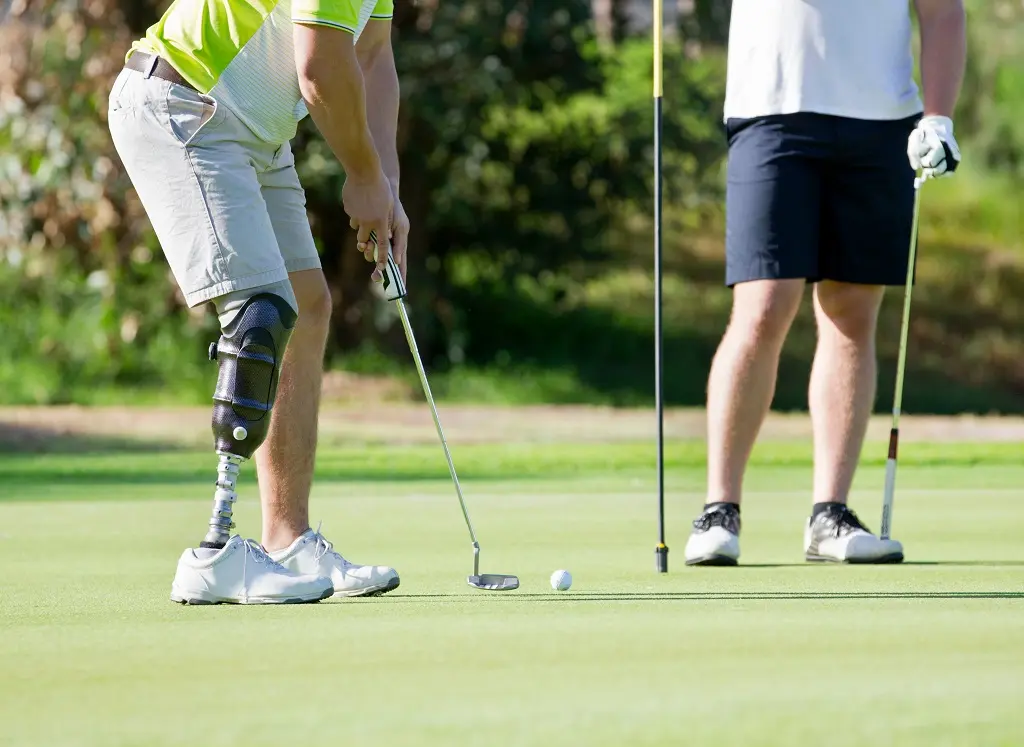
Adaptive athletes, coaches, therapists, assistive-tech developers, and accessibility advocates — 2025 is shaping up to be a watershed year for training gear that amplifies performance without erasing individuality. In this guide I break down the must-have adaptive training gadgets of 2025 — the devices I’d recommend to athletes and practitioners who want smarter data, safer training, and more inclusive design. Expect prosthetics and microprocessor knees that act like teammates, exoskeletons that speed recovery and retraining, wearables that give coaches objective levers, and practical advice for choosing and integrating tech into your program.
Why “adaptive” gadgets matter in 2025
Adaptive training gadgets bridge two needs: high-performance analytics and real-world accessibility. They help coaches tailor programs to bodies that don’t fit traditional assumptions, and they help athletes track progress with objective metrics that respect individual biomechanics. We’re no longer choosing between “assistive” and “athletic” — many modern devices do both. The growth in neurorehabilitation exoskeletons, the maturation of smart prosthetics, and the explosion of validated wearable sensors mean that teams and clinics can now apply clinical-grade data to real training decisions. EIN Presswire+1
How I selected these gadgets
I prioritized tools that (a) generate actionable data, (b) are backed by clinical or industry evidence, (c) are accessible to adaptive athletes (or clearly targeted to clinicians working with them), and (d) have developer or manufacturer support for integration into training workflows. Where possible I linked to manufacturer pages or primary research so you can dig deeper. Examples include Ottobock’s microprocessor knees and Ekso Bionics’ exoskeleton platforms. Ottobock+1
Top 9 adaptive training gadgets in 2025
- Microprocessor prosthetic knees and bionic knees (e.g., Ottobock C-Leg / Genium family). Ottobock
- Performance running power meters and adaptive training platforms (e.g., Stryd). Stryd (United Kingdom)
- Clinical and personal exoskeletons for gait training (e.g., Ekso Indego / EksoNR). Eksobionics
- Wearable IMUs and sensor suites for biomechanics and load monitoring. MDPI
- Smart orthoses and functional electrical stimulation (FES) devices. PubMed
- Adaptive strength & wearable resistance systems that add targeted load.
- Accessible gear and sport-adapted ADL aids (designs that support training independence). The Verge
- Smart insole pressure-mapping systems for prosthetic tuning and injury prevention. shop.ottobock.us
- Recovery and neuromuscular devices combined with digital rehab platforms. Yahoo Finance
Deep dives: what these gadgets actually do
Adaptive Training Gadgets — Microprocessor & Bionic Knees
Modern microprocessor knees (MPKs) use sensors and onboard software to adapt joint resistance to walking speed, slope, and step pattern. That means safer descents, improved stumble recovery, and more natural gait transitions for users across activity levels. For adaptive athletes, MPKs can reduce compensatory strain and enable more consistent training sessions. Ottobock’s C-Leg and related Genium products are widely used examples, showing how device software and clinical fitting create measurable mobility gains. Ottobock
Why coaches care:
- Reduces gait variability so training drills are repeatable.
- Improves safety during boundary tasks (stairs, ramps, sudden changes).
- Allows more precise prescription of load progression and plyometrics for amputee athletes.
Adaptive Training Gadgets — Exoskeletons for Rehab and Performance
Exoskeletons have moved from bulky lab prototypes to modular devices used in clinics and homes. Clinical-grade devices like Ekso Indego let therapists deliver task-specific gait training while collecting session analytics. Personal exoskeletons and lighter devices can now support community mobility and training drills, which is powerful for athletes working to regain or extend function. The exoskeleton market is growing fast, driven by AI-assisted control and expanded regulatory clearances that enable clinics to scale programs. Eksobionics+1
Top use-cases:
- Early post-injury gait re-education.
- Strength and endurance conditioning without overloading joints.
- Sport-specific movement retraining (e.g., transferring standing balance to sport skill).
Adaptive Training Gadgets — Wearable Sensors & Power Meters
Wearables are the low-friction data backbone of modern training. Devices like footpod power meters (Stryd) and multi-IMU sensor suites capture cadence, ground contact time (GCT), power, and leg stiffness — metrics that matter for adaptive athletes who may have asymmetry or prosthetic-driven mechanics. Recent peer-reviewed work validates wearable sensors for biomechanics and workload monitoring, moving them from novelty to clinic-grade tools when used correctly. Stryd (United Kingdom)+2MDPI+2
Quick tips for using wearables with adaptive athletes:
- Calibrate sensors for prosthetic limbs and document placement consistency.
- Focus on relative changes (trends) rather than raw comparisons to able-bodied norms.
- Use power and external load metrics to program intensity when heart rate is unreliable.
Adaptive Training Gadgets — Smart Orthoses & FES Devices
Smart orthoses that adapt assistance dynamically and FES (functional electrical stimulation) systems that trigger muscle contractions are more common in 2025. These devices help athletes with neuromuscular deficits to recruit muscles at key phases of movement, train neural pathways, and improve muscle timing. For therapists, FES plus task-specific training can accelerate functional gains when used in evidence-based protocols. Look for systems that log sessions and allow clinicians to export progress data. PubMed
Adaptive Training Gadgets — Pressure Mapping Insoles & Prosthetic Tuning Tools
Pressure-mapping insoles and socket-pressure sensors let clinicians tune prosthetic alignment with precision. They reduce hotspots, improve comfort during longer training sessions, and minimize compensations that lead to secondary injuries. These systems often pair with cloud dashboards to track trends over weeks, which is invaluable for athletes who change training load rapidly. shop.ottobock.us
Adaptive Training Gadgets — Recovery Devices & Digital Rehab Platforms
Recovery tech in 2025 blends hardware (percussive therapy, pneumatic compression) with software-driven protocols and remote monitoring. Digital rehab platforms let therapists prescribe home programs, receive sensor data, and nudge athletes back toward targets — a model that’s efficient for community-based adaptive sport programs. When paired with wearable sensors, recovery tools form a closed loop: assess, prescribe, monitor, adapt. Yahoo Finance
Comparison table — Adaptive Training Gadgets at a glance
| Gadget | Example product(s) | Typical price range | Best for | Key benefit |
|---|---|---|---|---|
| Microprocessor knee | Ottobock C-Leg / Genium | $10k–$50k (varies by socket/fit) | Competitive amputee athletes, daily mobility | Real-time gait adaptation, improved safety. Ottobock |
| Exoskeleton (clinical) | Ekso Indego / EksoNR | $40k–$150k (clinic units) | Rehab clinics, research centers | Task-specific gait training with analytics. Eksobionics |
| Running power meter | Stryd | $200–$350 | Runners with prostheses, coaches | Running power and adaptive training plans. Stryd (United Kingdom) |
| Wearable IMU suites | Xsens / custom sensor sets | $500–$5k | Biomechanics labs, elite programs | Detailed kinematics and symmetry analysis. MDPI |
| Pressure insoles | Novel / Moticon style | $800–$3k | Prosthetists, gait labs | Real-time plantar pressure & prosthetic load mapping. shop.ottobock.us |
| FES systems | Bioness / Odstock | $1k–$7k | Neuro athletes, stroke rehab | Targeted muscle activation and retraining. PubMed |
Note: prices are approximate and will vary by region, reimbursement, and device configuration.
How to choose the right adaptive training gadgets for your program
- Define the performance goal: mobility, speed, endurance, or rehabilitation. Different gadgets target different outcomes.
- Evaluate data needs: Do you need raw kinematics or simple workload metrics? Kinematic tools are powerful but require analysis capacity.
- Consider scalability: Clinic-grade exoskeletons are powerful but expensive; wearables scale easily across teams.
- Check regulatory and reimbursement landscape: Devices like exoskeletons and MPKs may be covered by insurers in some regions — this can determine feasibility. EIN Presswire+1
A closer look at integration and data workflows
Gadgets are only as useful as the workflows that surround them. A robust integration plan answers three questions: how will data be collected, who interprets it, and how will it update training prescriptions? For example, a clinic might set up a workflow where exoskeleton session logs are exported weekly to a central spreadsheet; wearable power meters sync to a coach’s platform nightly; and pressure-insole analytics prompt socket adjustments before the next high-load session. That reduces decision latency and prevents reactive coaching.
Data governance checklist (bullet list):
- Consent and privacy: ensure athletes consent to data sharing and understand who can view their analytics.
- File formats and exports: prefer devices that allow CSV/JSON export so analysts can combine metrics.
- Interoperability: look for devices with APIs or integrations (TrainingPeaks, Strava, EHRs).
- Version control for protocols: log protocol changes so outcomes are traceable.
Building progressive training blocks with gadgets
A practical microcycle could look like this:
- Week 0 — Baseline testing with pressure insoles and IMUs to identify asymmetries.
- Week 1–3 — Load introduction using Stryd power-guided runs or cycle ergometry with power targets; light exoskeleton-assisted gait for athletes returning from injury.
- Week 4–8 — Progression with plyometrics and sport-specific drills, using MPK confidence drills (stairs, agility) and FES to reinforce muscle timing.
- Ongoing — Monitoring: monthly prosthetic socket checks; weekly recovery nudges via digital rehab tools.
This structure centers measurement early, then uses objective metrics to inform safe progression rather than subjective feeling alone.
Investment and funding strategies
High-ticket devices (exoskeletons, MPKs) are increasingly available through clinic partnerships, leasing arrangements, and grants. Inclusive sports organizations should pursue mixed funding strategies:
- Apply for adaptive sports grants and nonprofit equipment funds.
- Partner with universities or rehab centers that maintain research devices for shared access.
- Explore manufacturer demo or rental programs; many companies offer trial periods for clinics and teams.
- Advocate for policy changes that recognize long-term cost savings from improved mobility and independence. openPR.com
Evidence & research — what the literature says
The literature in 2024–2025 increasingly validates wearable sensors and exoskeleton-assisted rehab for measurable outcomes like gait symmetry, step count, and functional independence. Systematic reviews and sensor-validation studies underline that sensor accuracy and device calibration matter — especially when comparing prosthetic versus biological limbs. Clinicians should prefer tools with peer-reviewed validation or transparent methods. PubMed+1
Product spotlight mini-reviews
Here are quick, practical takeaways from some market-leading products:
- Ottobock Microprocessor Knees: proven clinical track record and frequent software updates; excellent for athletes who need reliable stance control and stumble recovery. Ottobock
- Ekso Indego / EksoNR: flexible therapy suites with clinician dashboards; powerful for clinics prioritizing task-specific gait training and measurable progression. Eksobionics
- Stryd (running power): small, affordable footpod that enables power-based running coaching and adaptive plans; ideal entry point for coaches wanting objective pacing and effort metrics. Stryd (United Kingdom)
- Pressure insoles & mapping systems: indispensable for prosthetists and high-volume athletes to prevent hotspot injuries and tune alignment.
Real-world training examples
Case study: A Paralympic sprinter integrating power metrics
A sprinter with a transtibial prosthesis used a footpod power meter to quantify training load and pacing for interval sessions. By tracking power and ground contact asymmetry, the coach adjusted ramp-up volume and introduced technique drills that targeted limb loading differences. Over a season the athlete reported improved pacing consistency and fewer soft-tissue flare-ups — a small change in monitoring that reduced micro-injuries and improved competition readiness. (Power meters like Stryd are explicitly marketed with adaptive training features.) Stryd (United Kingdom)
Case study: Community rehab program using exoskeletons
A rehabilitation center integrated Ekso Indego therapy sessions into their post-stroke pathway. Therapists used the exoskeleton’s analytics to progress standing and stepping complexity, then translated those gains into community mobility goals. The result: faster transfer to independent walking and greater patient confidence during sport-adjacent activities. Eksobionics
Practical tips for coaches and therapists
- Start simple: deploy a wearable power meter or one IMU before pursuing expensive clinic tech.
- Train staff on data interpretation: raw numbers aren’t useful without context.
- Prioritize comfort and fit: socket comfort, strap placement, and device weight change adherence.
- Use objective thresholds: create individualized workload thresholds (power, steps, session RPE) rather than copying able-bodied programs.
- Build an interdisciplinary team: prosthetists, therapists, strength coaches, and technologists collaborating produces the best outcomes.
Accessibility, equity, and the ethics of adaptive training gadgets
Technology can widen or narrow gaps. The real barriers adaptive athletes face are cost, access to trained clinicians, and inconsistent insurance coverage. As investors and policymakers evaluate the space, consider models that subsidize community access (grants, equipment libraries, partnerships with manufacturers) and open device APIs so researchers and clinicians can integrate function into training platforms. The goal: technology that scales, not just dazzles. Market reports show strong investor interest in rehabilitation robotics and a drive toward lower-cost, higher-utility solutions. EIN Presswire+1
Common FAQs from adaptive coaches
Q: Are these gadgets “cheating”?
A: No. Properly used, adaptive training gadgets level the playing field by providing objective data and assistance that enable athletes to train more safely and intelligently. Sporting bodies set competition rules for equipment; training tools are about preparation and health.
Q: Do prosthetic athletes need different training metrics?
A: Often yes. Biometrics like power and external load are often more consistent than heart rate. Symmetry metrics (e.g., GCT differences, leg stiffness) become practical performance levers.
Q: How do we manage device maintenance and hygiene in a team setting?
A: Assign a device steward, maintain cleaning logs, follow manufacturer maintenance schedules, and budget for consumables (sockets, batteries, straps).
Policy & advocacy actions for organizations
Organizations can make a real difference by championing policies that support access:
- Lobby health authorities to include key devices in durable medical equipment lists.
- Create equipment-sharing pools with clear governance (loan agreements, liability clauses).
- Promote open-data partnerships with universities to build evidence for funding and clinical effectiveness.
Where to learn more
- Ottobock — Microprocessor knees and product info. Ottobock+1
- Ekso Bionics — Clinical and personal exoskeleton platforms. Eksobionics
- Stryd — Running power meter and adaptive training platform. Stryd (United Kingdom)
- Recent reviews on wearable sensors and biomechanics. PubMed+1
(Those manufacturer and research pages are great starting points if you want to dig into product specs, peer-reviewed validation, and clinic case studies.)
Final takeaways
- Adaptive Training Gadgets in 2025 are more capable, interconnected, and evidence-backed than ever.
- Start with data-light, high-impact tools (wearables, power meters, pressure insoles) and scale to clinic-grade devices if your program needs them.
- Integrate devices into a broader support team — prosthetists, therapists, coaches — to translate tech into performance gains.
- Push for equitable access: the promise of adaptive gadgets is only realized when athletes across socioeconomic spectrums can use them.


