
Table of Contents
ToggleIntroduction: Why Adaptive Tennis Deserves Real Attention
Tennis has never been about having the “perfect” body.
Adaptive Tennis reminds us that the heart of the game is movement, connection, and joy.
Walk past a tennis court almost anywhere in the world and you’ll see the same scene: players rallying, serving, laughing, competing. What you often won’t see — at least not yet — is how many people are missing from that picture.
For decades, tennis quietly excluded people with disabilities. Not because the sport was unwilling, but because systems, facilities, and mindsets were slow to adapt. Courts weren’t accessible. Coaching models were rigid. Equipment assumed one type of body and one way of moving.
Adaptive Tennis exists to correct that imbalance.
Adaptive Tennis is not a watered-down version of the sport. It is tennis — thoughtfully adjusted so more people can participate fully, safely, and with dignity. It recognizes that athletic ability is not erased by disability, and that joy in sport should never be limited to a select few.
For some players, Adaptive Tennis is a competitive pathway.
For others, it’s a social outlet.
For many, it’s a way to rebuild confidence after injury, illness, or lifelong disability.
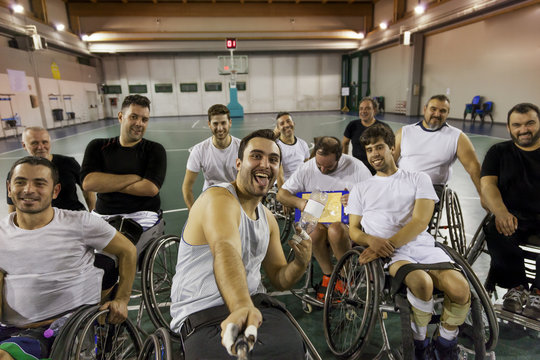
And almost universally, players talk about the joy of adaptive tennis — not as a marketing phrase, but as something deeply felt.
What Is Adaptive Tennis? A Clear, Practical Explanation
Adaptive Tennis Defined in Everyday Language
Adaptive Tennis is an inclusive approach to tennis that allows players with disabilities to play the game by making reasonable, thoughtful adjustments where needed.
These adjustments may involve:
Rules (for example, allowing an extra bounce)
Equipment (such as sports wheelchairs or grip aids)
Coaching methods (individualized instruction)
Court access (ramps, spacing, surface considerations)
Crucially, the foundation of tennis stays the same.
Players still use rackets and balls. They still play on regulation courts. The integrity of the sport is preserved.
Adaptive Tennis does not change tennis to suit disability.
It changes access so disability does not exclude someone from tennis.
Who Is Adaptive Tennis For? Understanding the Scope of Inclusion
One of the most common misunderstandings about Adaptive Tennis is that it’s only for wheelchair users. In reality, it serves a wide and diverse group of players.
Adaptive Tennis for Physical Disabilities
Adaptive Tennis supports individuals with a range of physical conditions, including but not limited to:
Spinal cord injuries
Limb loss or limb difference
Cerebral palsy
Muscular dystrophy
Multiple sclerosis
Stroke-related mobility challenges
Joint or balance impairments
Some players use sports wheelchairs. Others play standing, sometimes with prosthetics or braces. The focus is not on the disability itself, but on how the game can be played safely and effectively by the individual.
Adaptive Tennis for Sensory Disabilities
Adaptive Tennis also includes players with sensory impairments.
For deaf and hard-of-hearing players, adaptations may include:
Visual start signals instead of verbal cues
Clear hand signals from officials
Coaches trained in visual communication techniques
For players with visual impairments, some programs use:
Auditory tennis balls
Tactile court markings
One-on-one guidance
These adaptations are practical, not dramatic — designed to make play fair and understandable without changing the spirit of the game.
Adaptive Tennis for Intellectual and Developmental Disabilities
Adaptive Tennis programs for players with intellectual disabilities focus on:
Clear, consistent routines
Simple, structured instruction
Repetition and patience
Enjoyment over pressure
For many participants, tennis becomes a way to build confidence, social skills, and physical coordination in a supportive environment.
The Joy of Adaptive Tennis: What That Phrase Really Means
Why Players Describe Adaptive Tennis as “Joyful”
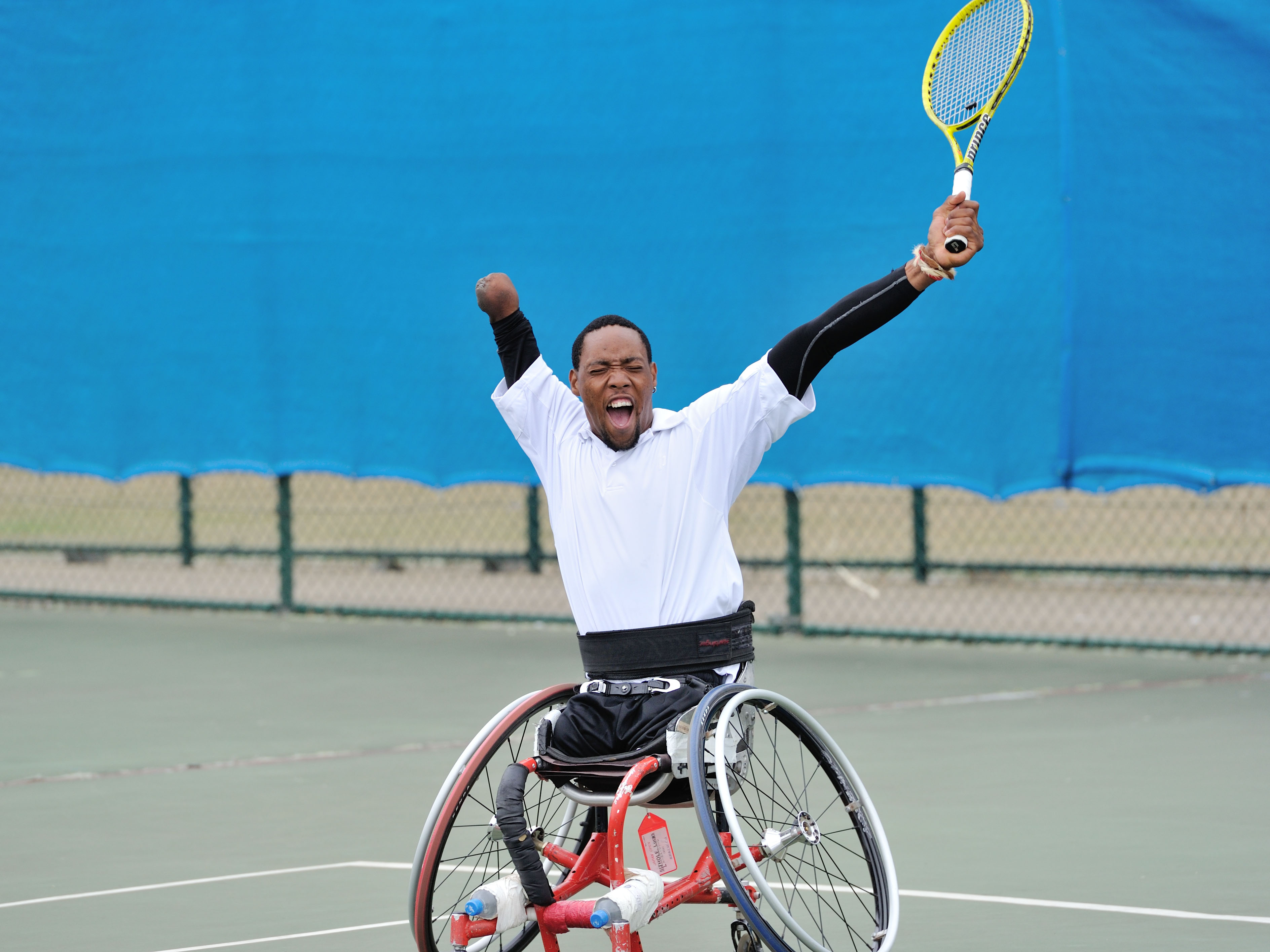
When people talk about the joy of adaptive tennis, they’re not usually talking about winning matches or earning medals.
They’re talking about:
Being able to move freely again
Feeling capable instead of limited
Being seen as an athlete, not a patient
Sharing effort and laughter with others on court
For many players, Adaptive Tennis marks a turning point — especially after injury or diagnosis. It represents a shift from rehabilitation to participation, from isolation to community.
This joy is often quiet and personal, but it is powerful.
Mental and Emotional Benefits of Adaptive Tennis
Adaptive Tennis contributes positively to mental health in ways that are well-documented across adaptive sports.
Key Mental Health Benefits
Reduced stress and anxiety through physical movement
Improved self-confidence as skills develop
A sense of purpose created by regular practice and goals
Emotional resilience built through challenge and progress
Unlike purely clinical rehabilitation, tennis introduces play, competition, and enjoyment — which many people find more motivating and sustainable.
For individuals adjusting to disability, Adaptive Tennis can be a way to reconnect with their body on their own terms.
Social Connection and Belonging in Adaptive Tennis
Adaptive Tennis is rarely an isolated activity. Programs are designed to encourage interaction, teamwork, and mutual support.
Players often form:
Training partnerships
Friendships
Peer support networks
The court becomes a place where disability fades into the background and shared effort takes center stage. This sense of belonging is a major reason people stay involved long-term.
Major Adaptive Tennis Formats Around the World
Wheelchair Adaptive Tennis
Wheelchair tennis is the most established and widely recognized form of Adaptive Tennis.
The key rule difference is straightforward:
Players are allowed two bounces of the ball, with the first bounce landing inside the court.
Aside from this, wheelchair tennis follows standard tennis rules and is played on regular courts with standard equipment.
Wheelchair tennis is governed internationally by the International Tennis Federation (ITF), which oversees rules, rankings, and global development.
https://www.itftennis.com
Standing Adaptive Tennis
Standing Adaptive Tennis includes players who:
Use prosthetic limbs
Have limb differences
Experience limited mobility or balance challenges
Adaptations are often subtle and individualized, focusing on movement efficiency, safety, and sustainable technique rather than altering the game itself.
Deaf and Hard-of-Hearing Adaptive Tennis
In these formats, accessibility is achieved through communication rather than physical changes.
Common adaptations include:
Visual signals for serves and starts
Clear officiating gestures
Coaches trained to deliver instruction visually
This ensures fairness and clarity while maintaining competitive integrity.
Adaptive Tennis Equipment: Function Over Flash
Adaptive Tennis equipment is designed to support performance and safety, not to overcomplicate the sport.
Common Adaptive Tennis Equipment
| Equipment | Primary Purpose | Player Benefit |
|---|---|---|
| Sports wheelchairs | Mobility and stability | Reduced strain, better control |
| Lightweight rackets | Easier handling | Less fatigue |
| Grip aids | Secure hold | Improved confidence |
| Shock absorbers | Joint protection | Comfort |
| Visual or tactile aids | Accessibility | Inclusive participation |
Many beginner programs provide equipment, ensuring that cost does not become an immediate barrier.
Technology and Institutional Support in Adaptive Tennis
Modern Adaptive Tennis benefits from ongoing innovation and organizational support.
Custom wheelchairs, performance analysis tools, and improved court design have all expanded what’s possible. At the same time, institutions play a critical role.
The United States Tennis Association (USTA) actively supports Adaptive Tennis through grassroots programs, coaching education, and national initiatives.
https://www.usta.com
These efforts help ensure Adaptive Tennis grows responsibly and remains accessible.
How to Get Started with Adaptive Tennis (Practical Guidance)
Step 1: Finding an Adaptive Tennis Program
Most players begin by connecting with:
Local tennis clubs
Disability sports organizations
Community recreation centers
National tennis federations
Searching for “Adaptive Tennis near me” is often enough to locate opportunities.
Step 2: Working with an Adaptive Tennis Coach
Inclusive coaching is essential. Adaptive Tennis coaches focus on:
Understanding individual movement patterns
Adapting drills without lowering expectations
Creating a supportive learning environment

Step 3: Starting Slowly and Building Confidence
Early sessions typically emphasize:
Basic racket handling
Controlled rallies
Court awareness
Enjoyment over performance
Progress comes with time, and patience is part of the process.
Adaptive Tennis for Children, Teens, and Young Players
Adaptive Tennis plays a crucial role in youth development, especially for children with disabilities who may otherwise have limited access to organized sports.
Why Adaptive Tennis Matters for Children
For young players, Adaptive Tennis supports more than physical activity. It helps develop:
Coordination and motor skills
Confidence in social settings
Emotional regulation and focus
A healthy relationship with movement
Children who participate in Adaptive Tennis often gain independence earlier and feel more comfortable participating in other activities at school or in their communities.
Adaptive Tennis in Schools and Community Programs
Many schools and community organizations are beginning to integrate Adaptive Tennis into:
Physical education curricula
After-school sports programs
Inclusive recreation initiatives
These programs emphasize fun and participation rather than performance, ensuring children feel supported rather than pressured.
Early exposure to inclusive sports also helps non-disabled peers develop empathy and respect, creating healthier social environments overall.
Adaptive Tennis for Adults and Late Beginners
Adaptive Tennis is not limited to youth programs. In fact, a large percentage of adaptive tennis players begin as adults.
Why Adults Discover Adaptive Tennis Later in Life
Common reasons include:
Injury or accident later in life
Medical diagnosis that changes mobility
Desire to return to sport after rehabilitation
Looking for a low-impact, social form of exercise
For many adults, Adaptive Tennis represents a return to physical activity in a way that feels safe, achievable, and enjoyable.
Health Benefits of Adaptive Tennis for Adults
Regular participation can contribute to:
Cardiovascular health
Muscle strength and endurance
Improved balance and coordination
Reduced stress and improved mood
Unlike some fitness routines, tennis provides variety and engagement, making it easier to maintain long-term consistency.
Competitive Adaptive Tennis: From Local Play to the World Stage
Adaptive Tennis offers competitive opportunities for players who want to pursue higher levels of play.
Local and National Competition
Many countries host:
Local adaptive tennis leagues
Regional tournaments
National championships
These competitions provide structured pathways for development while maintaining inclusive values.
International Adaptive Tennis and the Paralympic Pathway
At the elite level, Adaptive Tennis includes:
ITF Wheelchair Tennis Tour
International championships
The Paralympic Games
Athletes competing internationally train with the same discipline, intensity, and professionalism as able-bodied players.
The International Tennis Federation (ITF) oversees global competition standards and rankings for wheelchair tennis.
https://www.itftennis.com

Common Myths About Adaptive Tennis
Despite growing awareness, misconceptions still exist.
Myth 1: Adaptive Tennis Is Easier Than Traditional Tennis
Reality:
Adaptive Tennis is not easier — it simply accounts for different movement patterns. The physical and mental demands remain high.
Myth 2: Only Wheelchair Users Can Play Adaptive Tennis
Reality:
Adaptive Tennis includes players with physical, sensory, and intellectual disabilities, many of whom play standing.
Myth 3: Adaptive Tennis Requires Expensive Equipment
Reality:
While specialized equipment exists, many programs provide gear for beginners, and costs vary widely depending on level and location.
Coaching in Adaptive Tennis: What Makes It Different
Adaptive Tennis coaching is not about lowering expectations. It is about understanding variability.
Key Principles of Adaptive Tennis Coaching
Effective coaches focus on:
Individual movement patterns
Player safety and comfort
Strength-based instruction
Clear, respectful communication
Coaches often receive additional education in disability awareness and inclusive instruction methods.
This approach benefits all players — not just those with disabilities.
Facilities and Accessibility in Adaptive Tennis
True inclusion goes beyond coaching and equipment.
What Makes a Tennis Facility Adaptive-Friendly
Step-free access to courts
Accessible restrooms and changing areas
Adequate court spacing
Smooth, well-maintained surfaces
Improving accessibility benefits a wide range of users, including older adults and people with temporary injuries.
The Role of Organizations in Growing Adaptive Tennis
Adaptive Tennis growth depends heavily on institutional support.
Key Organizations Supporting Adaptive Tennis
National tennis federations
Disability sports organizations
Community recreation departments
In the United States, the USTA plays a significant role by funding programs, training coaches, and promoting inclusive tennis nationwide.
https://www.usta.com
These efforts help ensure that Adaptive Tennis is not limited to a few regions but continues to expand globally.
Adaptive Tennis and Technology: Supporting Progress, Not Replacing Skill
Technology in Adaptive Tennis focuses on assistance rather than replacement.
Examples of Helpful Technology
Custom sports wheelchairs designed for agility
Wearables that track movement and fatigue
Video analysis for coaching feedback
Technology supports progress while keeping the player’s effort and decision-making at the center of the game.

Challenges Facing Adaptive Tennis Today
While Adaptive Tennis has grown significantly, challenges remain.
Ongoing Barriers
Limited awareness in some regions
Inconsistent access to facilities
Shortage of trained adaptive coaches
Funding disparities
Addressing these challenges requires continued advocacy, education, and collaboration across communities.
The Future of Adaptive Tennis
The future of Adaptive Tennis is steady, not flashy.
Growth is being driven by:
Increased visibility
Better coach education
Improved facility design
Stronger community partnerships
Rather than becoming a separate niche, Adaptive Tennis is increasingly being integrated into mainstream tennis culture.
This shift reflects a broader understanding that inclusion improves sport for everyone.

Adaptive Tennis FAQ
What is Adaptive Tennis?
Adaptive Tennis is an inclusive form of tennis designed to support players with disabilities through reasonable adjustments to rules, equipment, and instruction.
Who can play Adaptive Tennis?
Adaptive Tennis is open to people of all ages with physical, sensory, or intellectual disabilities.
Is Adaptive Tennis only for wheelchair users?
No. Adaptive Tennis includes standing players, deaf and hard-of-hearing players, visually impaired players, and those with intellectual disabilities.
Do I need special equipment to start Adaptive Tennis?
Many beginner programs provide equipment, allowing players to try the sport before making any investment.
Is Adaptive Tennis competitive?
Yes. Adaptive Tennis ranges from recreational play to elite international competition, including the Paralympic Games.
Why is Adaptive Tennis important?
Adaptive Tennis promotes inclusion, physical health, confidence, and social connection through sport.
Conclusion: Why Adaptive Tennis Truly Matters
Adaptive Tennis is not about redefining tennis.
It is about redefining who gets to belong.
The joy of adaptive tennis comes from movement, shared effort, and the quiet confidence that grows when barriers are removed. It allows people to experience sport not as spectators, but as participants — on their own terms.
Whether played for fun, fitness, or competition, Adaptive Tennis shows that inclusion is not an accommodation. It is an improvement.
Call to Action
If this guide helped you:
→ Share it with your community
→ Read more about A Complete Guide to Adaptive Sports for All Abilities
→ Support Adaptive Tennis programs in your area
Next Page → Essential Adaptive Tennis Rackets and Their Impact on Performance


