Introduction
What if your gym has a hidden weapon for strength — one that most people don’t know about, but could change everything?
Chances are, you aren’t aware of the adaptive gym equipment quietly sitting unused, yet capable of unlocking next-level strength (and inclusivity).

What Is Adaptive Gym Equipment — and Why It Matters
When most people think “gym gear,” they imagine dumbbells, barbells, machines, or treadmills. But adaptive gym equipment is a different beast: it refers to modified or purpose-built tools that enable individuals with mobility limitations, grip restrictions, or other challenges to train safely and effectively. beyondbarrierssports.com+1
This isn’t just about wheelchairs rolling into a gym. True adaptive equipment addresses real barriers: limited grip or range of motion, balance challenges, seated training needs, prosthetics, and more. beyondbarrierssports.com+1
Why does it matter? Because strength isn’t reserved for those with “perfect bodies” or “ideal mobility.” Strength — functional, real-world strength — should be accessible to anyone willing to train.
The Hidden Truth: Most Gyms Aren’t Fully Adaptive
Even as adaptive fitness becomes more recognized, many gyms remain behind. According to research on inclusive fitness spaces: many participants with disabilities report that although gyms may have ramps or accessible entrances, actual adaptive workout equipment is rare — so rare that many give up or settle for sub-par alternatives. Elie Shulkowski+1
One analysis found that some gyms installed adjustable seats or lowered handles — but only a “couple of places” had truly adaptive machines suitable for wheelchair users. krex.k-state.edu
Further, the lack of trainer education, poor marketing by manufacturers, and low return-on-investment for adaptive gear contribute to this invisibility. Gyms may not buy such tools — and even when they do, they often go unused, gathering dust. beyondbarrierssports.com+1
The Most Overlooked Adaptive Tool: Adaptive Lifting Cuffs & Grip Aids
Among all adaptive equipment, one of the most powerful — and most underused — tools is adaptive lifting cuffs (and other grip/forearm-based attachments). These often fly under the radar, but for many, they’re game-changing. beyondbarrierssports.com+1
Why these matter:
- They enable people with limited grip strength, hand injuries, neurological conditions, or prosthetics to still lift — barbells, dumbbells, cable handles — safely. beyondbarrierssports.com+1
- They unlock functional, compound movements (e.g., rows, deadlifts, presses) without relying on traditional grip strength. beyondbarrierssports.com
- They help maintain or build strength even when mobility or balance is compromised — transforming strength training from “maybe” to “possible.” beyondbarrierssports.com+1
Yet, many gyms don’t stock them. Trainers often don’t know about them. Owners don’t see them as “profitable.” Marketing for adaptive gear is minimal. The result: powerful tools remain hidden. beyondbarrierssports.com+1
What Adaptive Gym Equipment Looks Like — and Why It’s Rare
Here’s a breakdown of common adaptive equipment, and why gyms often don’t bother stocking them:
| Adaptive Equipment Type | What It Does / Who It Helps | Why It’s Rare in Gyms |
|---|---|---|
| Adaptive lifting cuffs / grip aids / forearm straps | Enables individuals with weak grip or limb differences to perform lifts safely. Ideal for amputees, people with arthritis, paralysis, limited hand strength. beyondbarrierssports.com+1 | Low demand perceived; manufacturers don’t market heavily; gyms don’t see profitability in niche gear. beyondbarrierssports.com+1 |
| Adjustable-height cable machines / seated benches / lever-arm systems | Allows seated or wheelchair-based users to do full-body pulls, presses, and compound movements. beyondbarrierssports.com+1 | Higher cost; requires more floor space; believed to be relevant only to a subset of users. beyondbarrierssports.com+1 |
| Resistance bands with anchor systems / adaptive bands | Low-cost, portable strength tools; useful for range-of-motion training, rehab, warm-up, and even full strength workouts. shamsherfoundation.org+1 | Seen as “less serious” than machine or free-weight workouts; not marketed or promoted much. beyondbarrierssports.com+1 |
| Functional Electrical Stimulation (FES) bikes / machines / cardio tools | Helps individuals with paralysis or neuromuscular issues activate muscles, improve circulation, and regain strength. beyondbarrierssports.com+1 | Expensive; require maintenance; niche user base; gyms avoid due to cost-to-demand ratio. paraquad.org+1 |
| Balance, proprioception, and sensory tools | Useful for rehabilitating injuries, improving coordination, balance, and core stability. beyondbarrierssports.com+1 | Often overlooked as “ancillary”—not core strength equipment; low visibility compared to machines or free weights. beyondbarrierssports.com+1 |
Why This Overlooked Tool Could Transform Your Strength — and Your Gym
1. It Offers True Inclusivity
Strength training should not be “one-size-fits-all.” Adaptive equipment like lifting cuffs and grip aids open the door for people who have been sidelined — because of injury, disability, or temporary limitations.
That means your gym becomes more than a bodybuilding or fitness hub — it becomes a place of empowerment. As noted by advocates of adaptive fitness, this goes beyond physical strength. It’s about independence, confidence, and inclusion. beyondbarrierssports.com+1
2. It Preserves Compound Movements — Even Without Perfect Grip
Compound lifts (deadlifts, rows, presses) are critical for building strength, muscle coordination, and functional fitness. But traditional barbells and dumbbells assume you have full grip strength. For people who don’t, adaptive attachments make those lifts accessible.
This isn’t “light” or “easy” training — it’s full-on strength training, just adapted for different bodies.
3. It Expands What “Gym” Means
Gyms that invest in adaptive gear aren’t just catering to able-bodied lifters. They’re bringing in people from diverse backgrounds: individuals recovering from injuries, amputees, older adults, people with mobility limitations, even those rehabbing from neurological conditions.
When done right, adaptive fitness improves not just muscles — but mobility, posture, independence, and mental health. Robo Bionics+1
4. It’s Often Affordable & Undervalued
Not all adaptive tools are high-tech. Resistance bands, adaptive cuffs, strap systems — many are simple, portable, relatively cheap. And yet gyms often ignore them because they’re not marketed aggressively. This makes adaptive gear a high impact, low-cost opportunity. beyondbarrierssports.com+1
Real-Life Examples: When Gyms Finally Use It — What Happens
Gyms that adopt adaptive gear often see dramatic shifts — not just in who walks through their doors, but in culture, retention, and community value. According to a recent analysis: beyondbarrierssports.com
- Membership from adaptive-athlete communities tends to rise (sometimes by 10–20%).
- Retention increases: adaptive athletes often stay longer because these gyms fill a rare niche.
- Gyms become community hubs — for rehab patients, seniors, diversity-minded fitness seekers, and adaptive athletes.
- Trainers become more skilled and confident working with diverse needs — improving overall gym inclusivity.
It’s not just good marketing — it’s social impact, and real transformation.
Why These Tools Remain Hidden: The Industry’s Blind Spot
- Gym Owners Lack Training or Awareness
Many gym operators don’t know what adaptive gear exists — or why it matters. Adaptive fitness isn’t often taught in standard trainer certifications. beyondbarrierssports.com+1 - Manufacturers Don’t Market Them
The market for adaptive gym equipment is small compared to mainstream gear. So, manufacturers don’t invest in advertising or promoting these tools. beyondbarrierssports.com+1 - Profitability vs. Demand
For gyms, adaptive gear often means extra cost, floor space, and maintenance — without guaranteed big returns. So many shy away. beyondbarrierssports.com+1 - Cultural Focus on “Traditional” Lifting
Social media and gym culture glamorize heavy lifting, muscle definition, and “functional strength.” Adaptive gear doesn’t often get the spotlight — even though it can produce results just as potent. athletes-int.com+1 - Staff Education Gaps
Trainers may not know how to program for adaptive athletes. Without proper education, gear sits unused. beyondbarrierssports.com+1
Who Benefits — and Who’s Being Left Behind
Adaptive gym equipment isn’t just for people with permanent disabilities. Here’s a broader view of who stands to gain:
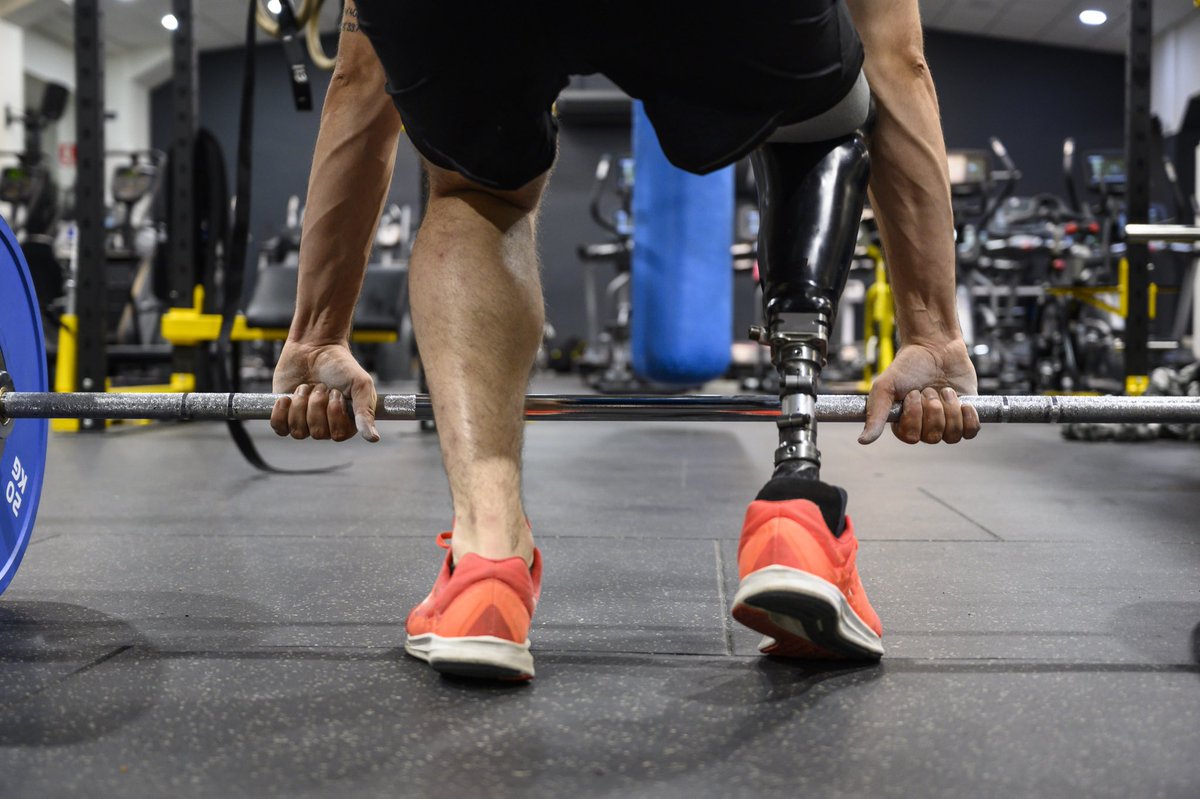
- Amputees & Prosthetic Users – Adaptive weights, straps, and grips allow effective training even with prosthetic limbs. beyondbarrierssports.com+1
- People Recovering from Injury or Surgery – During rehab or while regaining full mobility, adaptive gear can enable safe strength maintenance.
- Seniors or Older Adults – As mobility, grip strength, or balance declines, adaptive tools can help maintain independence and muscle mass.
- Individuals with Neuromuscular Conditions – Tools like FES-enabled machines or low-resistance adaptive equipment can help maintain muscle tone and circulation. paraquad.org+1
- Bodybuilders & Athletes Seeking Variation – Even “able-bodied” athletes can benefit: adaptive tools can reduce joint stress, allow new variations, and help overcome grip or stabilization limitations.
How to Tell If Your Gym Is Holding Back — and What to Do
If you want a truly inclusive, strength-maximizing gym environment, ask yourself and your gym:
Things to check for:
- Do they have adaptive lifting cuffs, grip aids, or forearm straps?
- Are there adjustable-height cable machines, seated benches, or lever-based systems?
- Do they offer resistance bands, anchor systems, or portable adaptive tools?
- Are trainers knowledgeable about adaptive fitness?
- Is the gym layout accessible (space, ramp, enough room for wheelchairs, benches)?
If the answers are “no”:
- Suggest that the gym consider adaptive equipment — especially simple, low-cost tools like cuffs or bands.
- Encourage staff education: adaptive fitness is a growing field.
- Look for community or rehab-focused gyms that already prioritize adaptive equipment.
- Explore portable gear yourself — bands, straps, adaptive grips — to supplement your training (especially useful if you have limitations).
Adaptive Training + Traditional Strength: Why You Don’t Have to Choose
Some might argue: “If I’m healthy, I don’t need adaptive gear — I’d rather use free weights or machines.” That’s a false dichotomy. Adaptive equipment doesn’t mean “light training.”
- Adaptive lifting cuffs and strap systems can handle heavy loads — enough for compound lifts. beyondbarrierssports.com+1
- Resistance-based tools (bands, adaptive cables) offer continuous tension, a useful addition even for seasoned lifters. Aeromats+1
- Adaptive gear can reduce strain on joints, improve safety, and help you program around weak links or limitations.
So whether you’re recovering from injury, permanently dealing with limited mobility, or simply wanting to diversify — adaptive training can complement or even elevate traditional strength work.
The Case for Adaptive Gym Equipment — and Why Every Gym Should Care
Here’s why adaptive gear deserves more attention (both for gyms and individuals):
- Inclusivity & Social Impact: Gyms become accessible to more people — regardless of ability or mobility.
- Expanded Market & Community: Gyms embracing adaptive gear can tap into underserved communities: seniors, disabled individuals, rehabilitating clients — building loyalty and retention.
- Performance & Flexibility Gains: Adaptive tools offer strength-building, rehab integration, variation, and safer training sessions.
- Affordability & Accessibility: Many adaptive tools are inexpensive, portable, and easy to integrate.
- Representation & Empowerment: Putting adaptive gear front and center challenges stereotypes — that strength training is only for “able-bodied” people.
FAQs — The Adaptive Gym Equipment You Didn’t Know You Needed
Q: Are adaptive gyms only for people with disabilities?
A: Definitely not. While adaptive equipment was originally designed to help people with mobility limitations, many tools (adaptive straps, resistance bands, adjustable machines) are useful for any lifter — especially those working around injuries, joint issues, or mobility constraints.
Q: Won’t adaptive gear limit how much I can lift?
A: Not necessarily. Adaptive lifting cuffs and forearm straps can allow heavy lifts — deadlifts, rows, presses — even if your grip or hand strength is limited. The load capacity depends on the gear quality, but many are designed for serious strength training. beyondbarrierssports.com+1
Q: Is adaptive equipment only expensive machines?
A: No. While some high-tech gear (robotic exoskeletons, FES bikes) can be pricey, many adaptive tools are affordable: bands, adaptive grips/straps, adjustable benches or cable attachments. These low-cost items can still provide major impact. beyondbarrierssports.com+1
Q: Do trainers know how to use adaptive equipment properly?
A: Not always. A key barrier to adaptive fitness is lack of trainer education. That’s why it’s important to ask current or prospective gyms if their staff are trained in adaptive fitness, or to seek out gyms that specialize in inclusive training. beyondbarrierssports.com+1
Q: I’m new to lifting. Should I start with adaptive equipment or just use free weights?
A: If you have limitations (mobility, grip strength, balance), adaptive equipment can be an excellent starting point — easier on joints, safer, and still effective. If you’re healthy with no limitations, free weights and machines are fine — but adaptive tools can still add variety and safety.
Conclusion: Don’t Let Hidden Tools Hold Back Your Strength Potential
It’s easy to overlook adaptive gym equipment — especially when it’s not flashy, widely marketed, or “insta-worthy.”
But that’s exactly why it’s powerful. Adaptive lifting cuffs, grip aids, adaptive bands, adjustable machines — these are tools that transform gyms from exclusive spaces into inclusive strength hubs. They open doors for people of all abilities, reduce barriers, and unlock real potential.
If your gym isn’t using them — or doesn’t even know they exist — you might be missing out.
Your strength journey doesn’t have to be one-size-fits-all. With adaptive gear, it can be tailored, inclusive, and transformative.
Share this with your gym friend or trainer — and maybe help transform a gym culture for the better.
Share Now.


