Introduction
Picture this: you’ve decided to lace up — metaphorically or literally — and step into the world of adaptive sports. Maybe it’s a friend’s recommendation, a spark of inspiration from watching a Paralympic event, or simply the undeniable pull of wanting to move, compete, and feel alive. Whatever your reason, you’ve arrived at the right place. Adaptive sports gear for beginners has never been more accessible, more innovative, or more exciting than it is right now in 2026.
The landscape of inclusive athletic technology has shifted dramatically. Brands, nonprofits, and independent innovators across the United States, Canada, and the United Kingdom are rethinking what it means to compete at every level. And the results? Honestly, they’re stunning — both in design and performance.
Whether you’re navigating life with a mobility impairment, a visual disability, a cognitive difference, or a chronic condition, there is adaptive sports equipment built specifically for you. This guide breaks down the best options for newcomers, explains what to look for, and helps you take that first, confident step onto the field, court, or trail.
What Is Adaptive Sports Equipment — and Who Needs It?
Adaptive sports equipment refers to modified or specially designed tools, gear, and devices that enable people with physical, sensory, or cognitive disabilities to participate in athletic activities. Think of it as the intersection of engineering ingenuity and athletic spirit.
You might be wondering: who exactly needs adaptive equipment? The short answer is anyone who requires modifications to participate in sport. That includes, but isn’t limited to, individuals with:
- Mobility impairments (limb differences, paralysis, muscular dystrophy)
- Visual impairments or blindness
- Hearing impairments
- Cognitive or neurological differences, including autism spectrum conditions and ADHD
- Chronic conditions like fibromyalgia, osteoarthritis, cerebral palsy, or Parkinson’s disease
According to Move United, adaptive sports participation improves physical health, mental well-being, and social integration — making the right gear not just a convenience, but a catalyst for transformation.
Adaptive sports are also referred to as parasports or inclusive sports — you’ll see these terms used interchangeably across the UK, Canada, and the US. Regardless of the label, the mission is the same: remove the barriers, keep the sport.
The Most Popular Adaptive Sports in 2026 — and the Gear That Powers Them
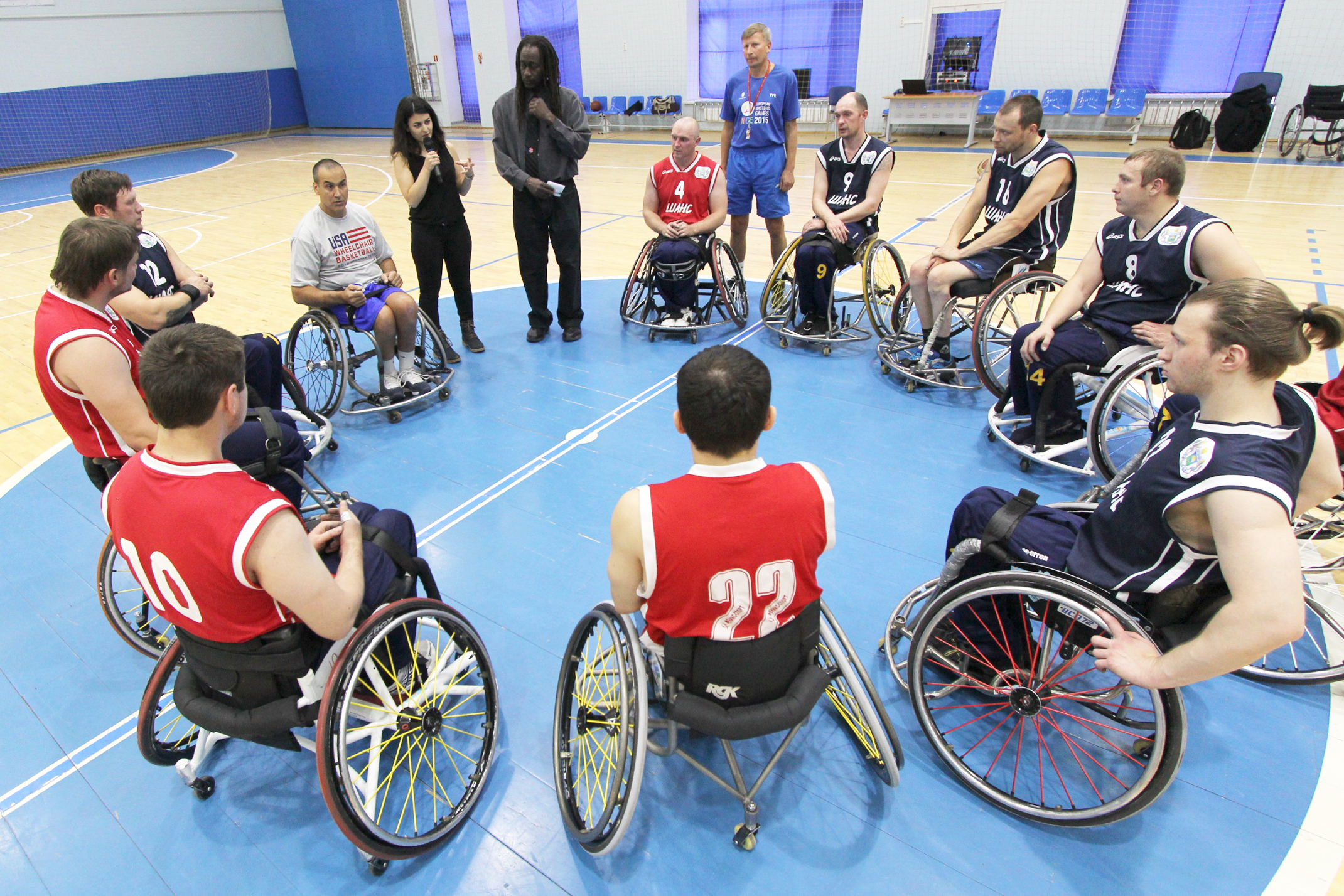
Before you invest in equipment, it helps to know which sports are most popular and beginner-friendly. Wheelchair basketball and seated volleyball continue to dominate community programs across North America and the UK. Handcycling, adaptive skiing, and boccia are also experiencing a significant uptick — particularly among older adults and those newly navigating disability.
What’s especially exciting for Gen Z athletes and young professionals is the rise of adaptive esports and tech-integrated fitness programs, which are broadening the definition of sport itself. But for those craving the outdoor rush, here’s what the data and the community are gravitating toward:
| Sport | Best For | Key Gear | Difficulty Level |
|---|---|---|---|
| Wheelchair Basketball | Upper body strength | Sport wheelchair | Beginner-friendly |
| Seated Volleyball | Upper body & team play | Padded mat, adaptive gloves | Beginner-friendly |
| Handcycling | Cardiovascular fitness | Handcycle / hand bike | Moderate |
| Adaptive Skiing | Balance & thrill | Sit-ski / outriggers | Moderate |
| Boccia | Precision & strategy | Boccia balls & ramp | Very beginner-friendly |
| Goalball | Visually impaired athletes | Goalball, blackout eyeshades | Beginner-friendly |
| Adaptive Rowing | Full-body endurance | Fixed-seat adaptive boat | Moderate |

The Best Adaptive Sports Gear for Beginners in 2026: Our Top Picks
Now, let’s get into the good stuff. Here’s a curated breakdown of the best adaptive sports gear for beginners — selected for quality, accessibility, and value across the US, Canadian, and UK markets.
1. Sport Wheelchairs
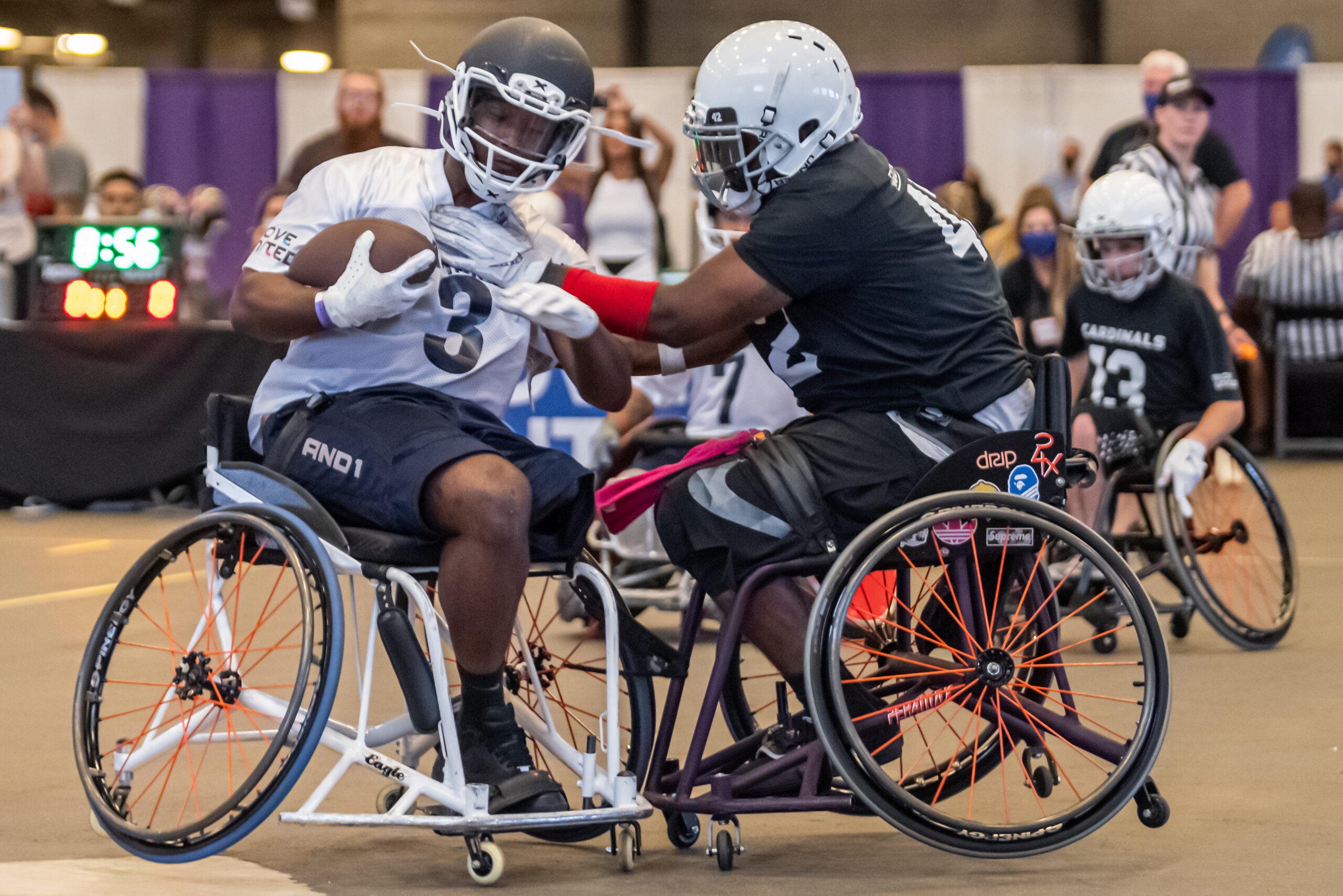
The sport wheelchair is the cornerstone of adaptive athletics. Unlike everyday mobility chairs, sport models are built low, lightweight, and angled for speed and agility. Brands like TiLite, Quickie, and Colours in Motion lead the market with titanium and aluminum frames that won’t weigh you down.
For beginners, a good starting point is a rigid-frame sport chair with adjustable axle positioning — it lets you fine-tune your setup as your skills develop. Prices typically range from $1,500 to $5,000 USD, though many nonprofits and programs offer loaner equipment to get you started. Organizations like the Challenged Athletes Foundation provide funding grants for adaptive athletes who need financial assistance securing gear.
2. Handcycles and Hand Bikes
If the open road is calling, a handcycle might be your answer. These arm-powered cycles come in recumbent and upright configurations, with both manual and electric-assist options now widely available. For newcomers, a recumbent three-wheel handcycle offers the most stability, making it ideal if you’re just finding your rhythm.
Look for models with easy gear shifting, comfortable padding, and adjustable frame lengths. Top-tier beginner options in 2026 include the Sunrise Medical Boma 8 and Freedom Concepts handcycles, both available across North American and UK retailers.
3. Outrigger Ski Poles and Sit-Skis
Adaptive skiing has exploded in popularity — particularly in Canada and the UK’s mountain resort communities. For beginners, the two key pieces of gear are sit-skis (bucket seats mounted on ski bases for those with lower limb differences) and outrigger ski poles (forearm crutches with small ski tips that provide balance and propulsion).
Organizations like Maine Adaptive Sports & Recreation offer excellent beginner guides and rental programs to help first-timers get on the slopes without a prohibitive upfront investment.
4. Boccia Equipment Sets
Boccia is one of the most underrated entry points into adaptive sport. Originating in Europe and now played globally, it’s a precision ball sport — similar to bocce or pétanque — specifically designed for athletes with significant physical impairments. The beauty of boccia? You don’t need a large budget or complex gear to start.
A beginner boccia set includes six balls (two colors of three balls each), a jack ball, and a measuring tape. Sets start at around £30 / $40 USD. For athletes with limited hand control, ramps and assistive devices can be used to direct the ball, making this truly one of the most inclusive sports on the planet.
5. Adaptive Gloves and Grip Aids
Often overlooked, adaptive gloves are a game-changer for athletes with limited hand function, reduced grip strength, or skin sensitivities. Quality adaptive gloves protect against blisters, enhance grip on wheels or paddles, and reduce fatigue during extended play.
Brands like Tillak, All Sport, and Coyote Design offer purpose-built models used by wheelchair racers, seated tennis players, and handcyclists. Budget around $30–$100 USD for a reliable pair.
6. Goalball Equipment
For athletes with visual impairments, goalball is one of the most thrilling team sports available. Played with a ball containing internal bells, the game relies entirely on sound — making it one of the most uniquely adaptive sports in existence.
Beginner goalball kits include the ball itself, blackout eyeshades (worn regardless of an athlete’s existing vision level, to equalize play), and knee and elbow pads. The International Blind Sports Federation (IBSA) certifies official balls; beginner sets run approximately $80–$200 USD.

How Much Does Adaptive Sports Equipment Cost?
This is one of the most frequently asked questions by beginners — and for good reason. Adaptive gear spans a wide price range, and navigating it without a guide can feel overwhelming. Here’s a realistic cost breakdown for 2026:
| Equipment | Entry-Level (USD) | Mid-Range (USD) | Elite (USD) |
|---|---|---|---|
| Sport Wheelchair | $1,500 | $3,000 | $6,000+ |
| Handcycle | $800 | $2,500 | $5,000+ |
| Sit-Ski | $1,200 | $3,500 | $7,000+ |
| Boccia Set | $40 | $120 | $300+ |
| Adaptive Gloves | $30 | $65 | $110+ |
| Goalball Kit | $80 | $150 | $250+ |
| Outrigger Poles | $200 | $500 | $900+ |
The good news? You don’t have to foot this bill alone. Insurance may cover certain adaptive equipment when prescribed by a physician — particularly power wheelchairs and mobility aids. Beyond that, a network of nonprofits, government programs, and community organizations exist specifically to bridge the funding gap.
The Challenged Athletes Foundation has distributed millions in equipment grants across the US. In Canada, provincial disability sports organizations often operate equipment lending libraries. In the UK, Sport England’s Inclusive Sport Fund has historically supported adaptive athletes at the grassroots level.
For a deeper dive into what’s available and trending this year, this comprehensive 2026 equipment guide from Connsense Report is an excellent resource to bookmark.
How to Choose the Right Adaptive Equipment as a Beginner
Choosing your first piece of adaptive sports gear is equal parts science and self-knowledge. Before you spend a dollar, answer these three questions:
- What sport do you want to try? Start with the sport first, then find the gear — not the other way around. Many beginners get excited by equipment and end up with kit that doesn’t match their actual interests.
- What is your functional profile? Work with a physical therapist or adaptive sports coach to understand your current strength, range of motion, and endurance levels. This shapes every gear decision that follows.
- What’s your budget and access to support? Factor in whether you have access to equipment loans, grants, or community programs before committing to a purchase.
At Beyond Barriers Sports, we’ve outlined the full process for getting started — from assessment to first session. Check out our guide to finding adaptive sports programs near you and our resource on how adaptive coaching works for beginners.
Also worth exploring: Mobility Matters Hub offers community-driven insights from adaptive athletes themselves — a valuable perspective that pure product specs simply can’t replicate.
Don’t Overlook Adaptive Clothing and Accessories
Gear doesn’t begin and end with equipment. Adaptive clothing — apparel designed for ease of dressing, pressure redistribution, and performance — is an equally important part of your athletic kit. Think seated-cut trousers that don’t bunch at the waist, magnetic-closure jerseys for athletes with limited hand dexterity, and moisture-wicking base layers engineered for extended wheelchair use.
Brands like Tommy Hilfiger Adaptive, Nike’s FlyEase range, and Adaptawear are making inclusive fashion genuinely stylish. Because yes, you can look sharp and perform brilliantly — those two things are not mutually exclusive.

Frequently Asked Questions About Adaptive Sports Gear
What is another name for adaptive sports?
Adaptive sports are commonly referred to as parasports, disability sports, or inclusive sports. In Paralympic circles, “para-athletics” is the standard term, though “adaptive” has become the preferred inclusive language across North America in 2026.
Are there any famous adaptive athletes I should know about?
Absolutely. Wheelchair racer Tatyana McFadden (US) holds multiple Paralympic gold medals and marathon wins worldwide. Canadian swimmer Stephanie Dixon is a 17-time Paralympic medalist. In the UK, Dave Weir CBE is a wheelchair racing legend with six Paralympic golds. Following these athletes is both inspiring and instructive — their gear choices and training philosophies are worth studying.
Which sport is best for someone with ADHD or autism?
Sports that offer structured repetition and clear sensory feedback tend to work particularly well. Swimming, cycling, and martial arts are often recommended for individuals with ADHD or autism spectrum conditions because they provide rhythm, routine, and a measurable sense of progress. Boccia is also excellent — it demands focus and strategic thinking without overwhelming sensory input.
Do all people with cerebral palsy need a wheelchair?
No. Cerebral palsy exists on a wide spectrum. Many athletes with CP compete in ambulatory sports using crutches, braces, or no assistive devices at all. Others use manual or powered wheelchairs depending on their specific functional classification. The CP Sport classification system (from CP1 to CP8) exists precisely to account for this spectrum in competitive settings.
Can I get free or subsidized adaptive sports equipment?
Yes, in many cases. In the US, organizations like the Challenged Athletes Foundation and Disabled Sports USA offer grants and loaner programs. The Veterans Administration provides adaptive equipment for qualifying veterans. In Canada, provincial adaptive sport bodies and Easter Seals often bridge funding gaps. In the UK, the English Federation of Disability Sport connects athletes with financial support. Always ask your national or regional adaptive sports body — the resources exist; they just require knowing where to look.
What’s the future of adaptive sports?
The future is genuinely thrilling. Exoskeleton technology, AI-assisted coaching, 3D-printed custom prosthetics, and smart wheelchair systems are no longer science fiction — they’re entering beginner-level programs. The boundaries between assistive technology and elite performance gear are dissolving. In 2026, the most exciting adaptive athletes aren’t just competing — they’re redefining what sport looks like for everyone.
Your Journey Starts Here
The best adaptive sports gear for beginners in 2026 isn’t just about technology or price points — it’s about finding the right equipment that meets you where you are and carries you toward where you want to go. Whether you’re a young professional in Toronto discovering handcycling for the first time, an older adult in Birmingham exploring boccia, or a veteran in Chicago returning to sport through seated rowing — the adaptive sports world is ready for you.
Start with one sport. Find a local adaptive program. Ask questions. Try loaner gear before you buy. And lean on the incredible community that exists across these three nations — a community that believes, deeply and practically, that sport belongs to everyone.
For more resources, guidance, and community connection, explore the Move United adaptive equipment directory, dive into the Maine Adaptive beginner’s guide, and bookmark Beyond Barriers Sports for ongoing coaching resources, gear reviews, and community stories.
Ready to break through the barriers? Share this guide with someone who needs it — and then get moving. The field is waiting.


