
Introduction
Imagine a stadium where the roar of the crowd isn’t just for the fastest runner, but for the athlete who just shifted gears on a high-speed racing handcycle using nothing but their thoughts. In the high-stakes world of inclusive sports technology, the finish line has long been guarded by invisible accessibility innovations/barriers. But a “secret” revolution is brewing in the labs of neuroscientists and engineers that promises to change the game forever.
We call it “Neural Synthesis,” but its technical name is a Brain-Computer Interface (BCI). This isn’t just another piece of adaptive gear; it is a profound bridge between human intent and athletic performance.
The promise? A total end to the participation hurdles that have sidelined talent for decades. But as this innovation moves from the lab to the track, it comes with a catch that could redefine the very nature of privacy in sports.
The Invisible Walls: Understanding Structural Obstacles in Sports
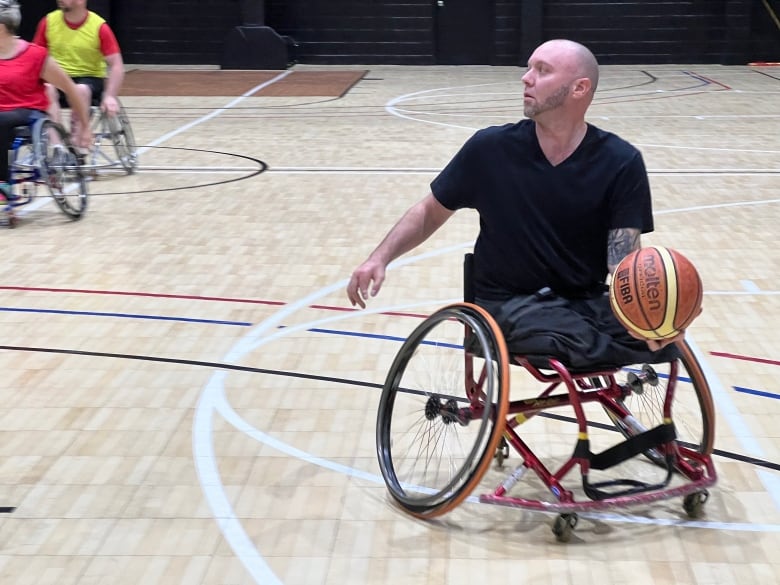
For years, “adaptive sports” meant modifying the world to fit the athlete. We built lighter wheelchairs, aerodynamic blades, and tactile balls. While these are vital, they only address physical accessibility barriers. They don’t solve the “input lag”—the frustration of an athlete whose mind is faster than their assistive equipment can react.
These structural obstacles aren’t just about ramps; they are about the bandwidth of communication between a person’s nervous system and their sports gear. According to the World Health Organization, over 1.3 billion people live with significant disability, many of whom are athletes waiting for technology to catch up to their ambition.
The Three Tiers of Sports Barriers
Mechanical Barriers: Heavy equipment, lack of aerodynamic options.
Sensory Barriers: Inability to feel the “feedback” of the track or court.
Neural Barriers: The delay between the brain’s command and the prosthetic’s reaction.
The Secret Innovation: What is a Brain-Computer Interface (BCI)?
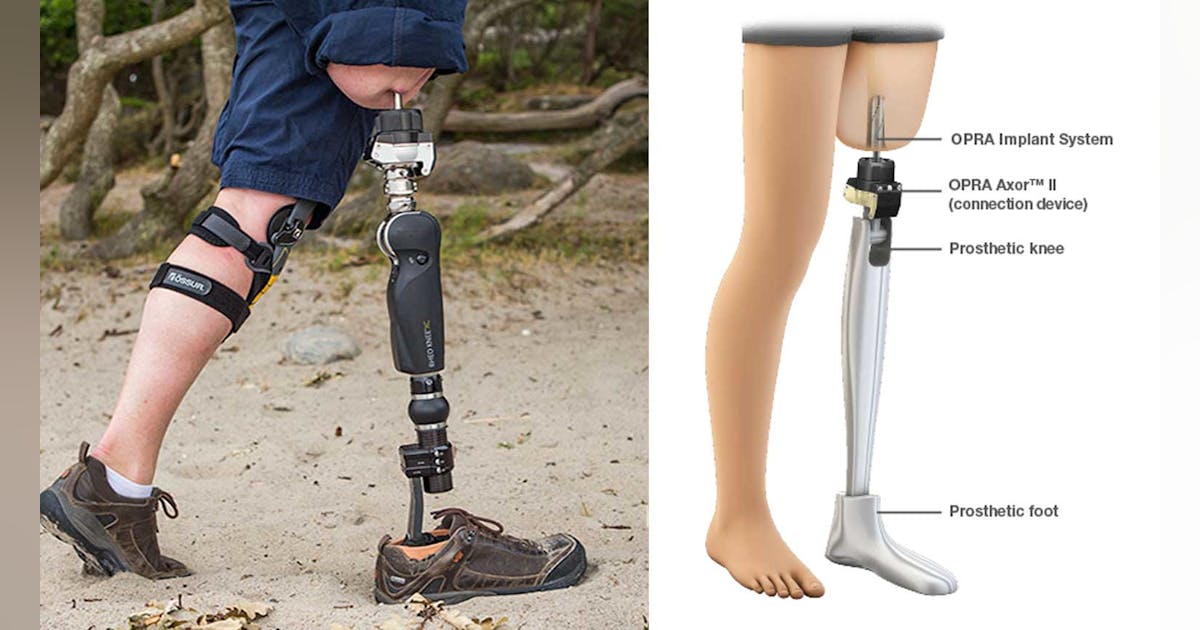
For the past five years, a quiet revolution has been brewing at the intersection of AI and Neuroscience. This secret innovation—the Brain-Computer Interface (BCI)—is no longer science fiction. In 2025, BCI technology has reached a tipping point where it can translate brain signals into digital commands with up to 97% accuracy.
Unlike traditional assistive tech, which requires manual input (like a joystick or a button), a BCI reads the electrical patterns of the brain. When an athlete imagines a movement, the system decodes that “motor imagery” and executes it instantly. It effectively bypasses the spinal cord or limb entirely, neutralizing the most stubborn accessibility barriers.
How BCI Dissolves Participation Hurdles in Athletics
Instantaneous Control: Eliminates the delay between thought and action in high-speed sports like para-cycling.
Sensory Feedback: New “two-way” BCIs actually send signals back to the brain, allowing a runner to “feel” the track through their prosthetic.
Cognitive Loading: AI-driven filters help neurodivergent athletes manage sensory overload during intense competitions.
The Evolution of Inclusion: From Ramps to Neural Links
To understand why BCI is the ultimate solution to accessibility barriers, we must look at the history of inclusive tech.
The Mechanical Era (1940s–1980s)
Post-WWII, the focus was on mobility. The first “sports chairs” were simply modified hospital chairs. They were heavy, clunky, and served as major structural obstacles to peak performance.
The Electronic Era (1990s–2010s)
The introduction of sensors and motors allowed for “Power Soccer” and sophisticated prosthetics. However, these still relied on physical switches, leaving a gap between the athlete’s reflexes and the machine’s response.
The Neural Era (2020s–Present)
This is where our secret innovation comes in. By moving the interface from the hand to the brain, we remove the final barrier: the physical body itself.
Comparison: Traditional Gear vs. The Secret Innovation
To understand why BCI is a “secret” worth knowing, look at how it compares to the equipment we currently use to fight accessibility barriers.
| Feature | Traditional Adaptive Gear | BCI (The Secret Innovation) |
| Input Method | Manual (Joysticks, Breath-control) | Neural (Speed of thought) |
| Response Time | 200-500ms (Mechanical lag) | <50ms (Neural speed) |
| Customization | Physical adjustments | AI-driven neural mapping |
| Athlete Agency | Feels like “using a tool” | Feels like “part of the body” |
| Hardware | Bulky/External | Minimalist/Wearable |
Deep Dive: How BCI Targets Specific Sports
Inclusive Cycling and Hand-Racing
In hand-cycling, steering and gear shifting are often manual. For athletes with high-level spinal cord injuries, this creates massive accessibility barriers. With a BCI, shifting becomes as natural as breathing.
Precision Sports: Archery and Shooting
BCIs can monitor an athlete’s “Neural State.” If the system detects a peak in heart rate or a drop in focus, it can provide haptic feedback to help the athlete reset, removing the cognitive barriers to victory.
Swimming and Sensory Perception
Innovations in “bone conduction” and neural-audio allow blind swimmers to “hear” the distance to the wall, effectively erasing sensory participation hurdles.
The “Catch”: The Neural Privacy Paradox
If this innovation is so world-changing, why isn’t every athlete wearing a headset? The answer lies in the “catch.” To end accessibility barriers, athletes must surrender their most private asset: their brain data.
BCIs require deep-level mapping of your neural patterns. In a professional sports environment, this raises a terrifying question: If a coach can see your “intent to move,” can they also see your fatigue, your fear, or your loss of focus?
The Ethical Minefield
Data Ownership: Who owns the recording of your brainwaves?
Cognitive Doping: Could a BCI be used to artificially enhance focus beyond human limits?
The Neural Divide: Will only wealthy athletes be able to afford to remove their accessibility barriers?
“The ultimate frontier of privacy isn’t our emails or our locations; it’s our thoughts. As we dismantle accessibility barriers in sports, we must ensure we aren’t building ‘cognitive surveillance’ barriers in their place.” — Neuroethics Journal, 2025.
The Economic Explosion of Inclusive Sports Tech
When you remove accessibility barriers, you don’t just help the individual; you unlock a massive economic engine. The global sports technology market is projected to hit $33.82 billion by 2025, with inclusive and adaptive tech being the fastest-growing sector.
Increased Participation: More athletes mean more events, more sponsorships, and more media rights.
Innovation Spillover: Tech developed for the Paralympics (like BCI) often ends up in mainstream consumer electronics, improving life for everyone.
The “Scarcity Premium”: Morgan Stanley Research suggests that closing the digital gap in sports could increase annual industry revenue by 25%.
Researchers at MIT Technology Review have noted that the “secret innovation” of the BCI is the primary driver of this 2025 surge.
Case Study: The “Thought-Steered” Marathon
In October 2025, a landmark event occurred. A non-verbal athlete with quadriplegia competed in a major marathon using a BCI-integrated exoskeleton. By simply visualizing the rhythm of walking, the athlete moved at a pace that rivaled amateur runners.
The accessibility barriers that once confined them to a stationary life were obliterated by a headset no larger than a pair of headphones. This success story isn’t just about the technology; it’s about the psychological shift from being a “patient” to being a “competitor.”
Overcoming the Social Stigma of Disability in Sports
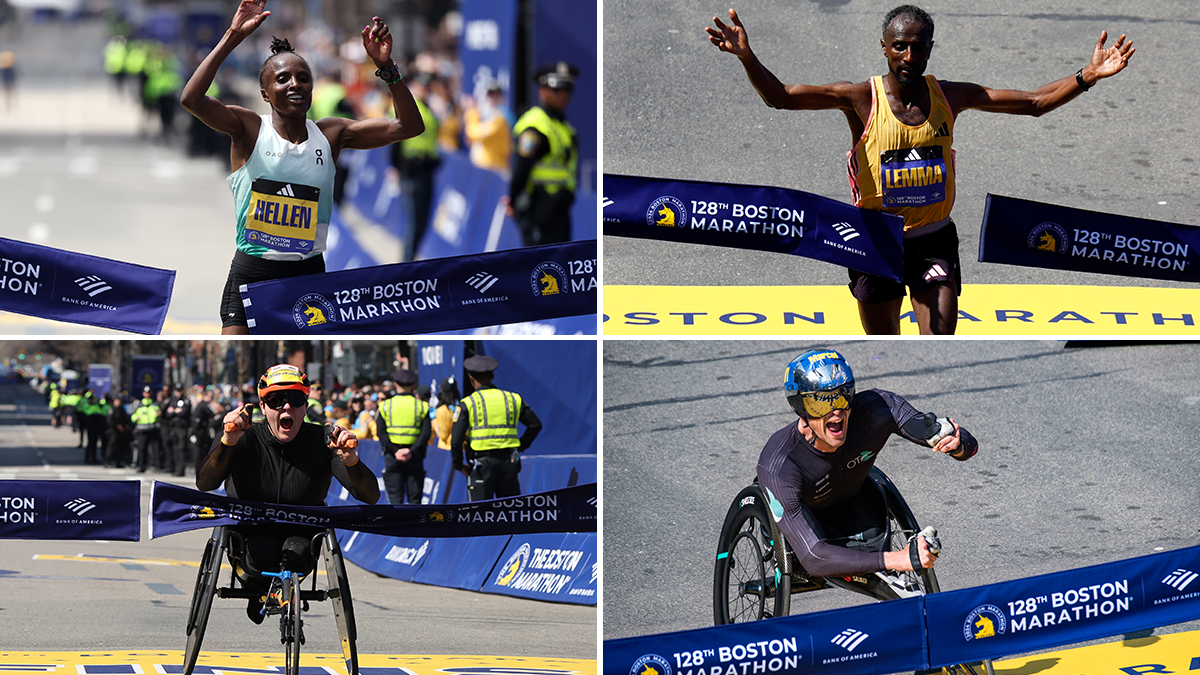
One of the most profound impacts of this secret innovation isn’t technical—it’s social. By making assistance “invisible,” we can finally move past the stigma often associated with adaptive gear.
When the tech is a sleek headband or a tiny patch, the visible markers of accessibility barriers vanish. This allows the athlete to be seen for their talent and grit, rather than their limitations. We are entering an era of “Super-Ability” where the technology doesn’t just compensate; it enhances.
Frequently Asked Questions (FAQ)
What exactly are accessibility barriers in sports?
Accessibility barriers are any obstacles—physical, digital, or systemic—that prevent athletes with disabilities from competing. This includes everything from lack of equipment to high “input lag” in current assistive devices.
How does a Brain-Computer Interface (BCI) work?
It uses non-invasive sensors (like an EEG cap) to detect electrical activity in the brain. AI then decodes these signals into commands that control sports wheelchairs, prosthetics, or computer interfaces.
Is the “secret innovation” legal in professional sports?
The rules are currently being rewritten. Organizations like the IPC are debating whether BCI constitutes “technological doping” or a necessary tool to remove accessibility barriers.
Can BCI help with mental health for athletes?
Yes. BCI-based neurofeedback is being used in 2025 to help athletes regulate anxiety and maintain “the zone” by providing real-time data on their mental state.
What is the biggest risk of BCI?
The “catch” is Neural Privacy. Protecting an athlete’s brain data from being used for unauthorized performance analysis or commercial exploitation is the top priority for 2026.
Final Thoughts: The Future of the “Neural Athlete”
The journey to end accessibility barriers has been a marathon, not a sprint. But with the advent of Brain-Computer Interface technology, we are finally approaching the home stretch. We are moving toward a world where “disability” is a matter of design, not biology.
The “catch” is real, and the ethical hurdles are high. But the reward—a world where every athlete can compete at the speed of thought—is worth the price of entry.
Are you ready for the era of the Neural Athlete?
Share Now to help dismantle the barriers of tomorrow!


